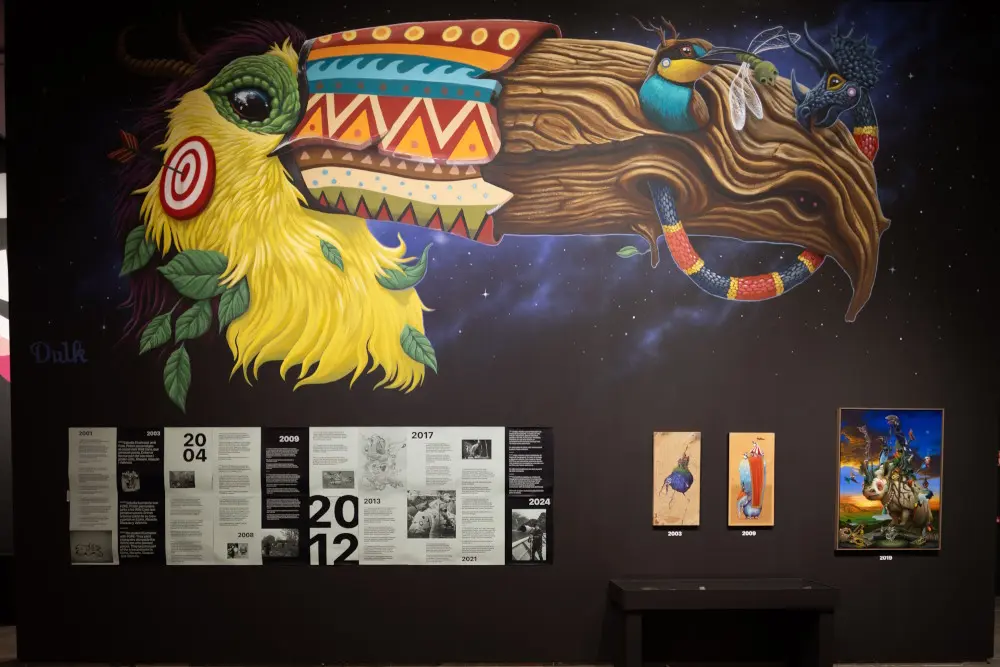
There is no single beginning
A history of Valencia street art cannot begin with a finished mural or a tourism map. Graffiti writing, signatures, crews, skate culture, illustration and politically charged images developed through overlapping circles. Many early works disappeared and much of the history survived first through personal photographs, memory and oral accounts rather than formal collections.
The clearest documented line for the generation later recognised by Valencia’s cultural institutions begins in the mid-1990s. Deih, Xelon and friends painted together in Mislata through RHB before a broader Valencia network took shape. Xelon describes that first group as rooted in friendship; the later XLF brought together people from graffiti, fine art, design, television and photography, allowing lettering, stencil work and character-led painting to coexist.
The late 1990s and early 2000s: crews become visual laboratories
Crews were not simply labels placed beside individual names. They created working relationships, shared walls and a setting in which distinct languages could develop together. XLF became especially important because its members did not all pursue the same idea of graffiti: science-fiction figures, recurring characters, illustration, colour, social observation and graphic experimentation could meet on the same wall.
El Carme became one of the scene’s most visible surfaces, but it was never the only source. Mislata, the university, studios and other Valencia neighbourhoods also formed the network. Reading the period only through surviving walls would therefore be misleading: disappearance is built into the record, and photographs often preserve combinations that no longer exist in the street.
The internet changed the scale of the scene
The Centre del Carme’s PRINCIPIOS archive identifies the beginning of the new millennium as a decisive shift. Before social media and camera phones, blogs, digital cameras and access to a computer allowed locally made work to circulate internationally. Artists could discover other scenes, reach new audiences and connect with festivals, exhibitions and commissions beyond Valencia.
That transition did not make the street irrelevant. The street remained the testing ground and the free, continuously accessible exhibition space. What changed was the possible afterlife of an image: a temporary wall in Valencia could now be documented, shared and used to begin a career that extended far beyond the city.
A generation develops distinct languages
The artists later assembled in PRINCIPIOS show why Valencia’s history cannot be reduced to one style. Deih and Xelon developed science-fiction worlds; Julieta XLF built a recognisable universe of colour and female figures; David de Limón used a recurring masked character; Barbiturikills brought sharp illustration and social commentary; and PichiAvo combined graffiti writing with classical imagery.
Hyuro’s restrained figurative scenes, Vinz Feel Free’s human-animal hybrids, Cachetejack’s graphic immediacy and Dulk’s ecological imaginary widened the field again. Escif’s pared-back images and Felipe Pantone’s optical geometry offer further evidence that international recognition emerged from difference, not from a single Valencia house style.
2006: Poliniza brings the street into the university
In 2006 the Universitat Politècnica de València created Poliniza to bring urban art and the university into direct contact. Early interventions included work by Blu, Logan, Julieta, Escif and Deih. The encounter became a recurring platform rather than a one-off exhibition, leaving a changing archive across the Campus de Vera.
This mattered because it created an institutional setting without presenting urban art as a finished historical category. Artists painted in public, met participants from other countries and worked within a campus that continued to change. By its twentieth edition in 2025, the UPV could describe a two-decade lineage; the twenty-first edition in 2026 deliberately expanded the conversation beyond the flat mural towards space, architecture and artistic research.
From unauthorised walls to festivals, galleries and commissions
During the 2010s, several Valencia-linked artists moved increasingly between street work, international mural festivals, galleries, illustration, design and commercial commissions. Professionalisation created resources and visibility, but it did not erase the difference between an unsanctioned intervention, a curated festival wall and a work made for a client.
Those categories now coexist across Valencia. A visitor may encounter small anonymous writing, a repeated character, a municipal mural and an internationally commissioned façade within the same day. Treating all of them simply as colourful decoration removes the different risks, permissions, audiences and histories that produced them.
The museum begins to preserve what the street may lose
Institutional recognition introduces a central contradiction: street art is valued partly because it changes, yet archives and museums try to preserve significant examples. In 2022, a portrait of David Bowie painted by Jesús Arrúe on Carrer de la Beneficència was removed from a building threatened with demolition and transferred to the Centre del Carme. The institution described it as the first graffiti work to receive this kind of reprieve in Spain.
PRINCIPIOS made the same archival question larger in 2025. It assembled photographs, personal objects, early works and new murals to document three decades of practice. The exhibition itself was temporary, but its record established that this history deserves the same careful sourcing as other cultural movements.
What this history changes when you walk Valencia today
Knowing the history changes the questions a visitor asks. A wall in El Carme may contain traces of several generations; a recurring figure may belong to a long practice rather than a recent decorative campaign; and a polished mural may have arrived through a programme with very different conditions from the writing beside it.
Begin with El Carme for density, use Poliniza Dos to understand institutional exchange and then compare those settings with Benimaclet, Russafa or El Cabanyal. Do not expect a permanent outdoor collection. Record dates, verify attribution and allow disappearance, replacement and overpainting to remain part of the story.
Field note: Valencia’s street-art history is a network rather than a straight line: mid-1990s crews, early-2000s experimentation, global circulation through the internet, Poliniza’s institutional bridge and a continuing tension between temporary walls and cultural memory.
Method and sources
- Centre del Carme Cultura Contemporània: PRINCIPIOS exhibition, 2025 (opens in a new tab)
- Centre del Carme Cultura Contemporània: PRINCIPIOS exhibition guide: How it all began (opens in a new tab)
- Centre del Carme Cultura Contemporània: PRINCIPIOS podcast: Deih, Mislata and the formation of XLF (opens in a new tab)
- Xelon XLF: Xelon on RHB, Mislata and XLF (opens in a new tab)
- Universitat Politècnica de València: Poliniza Dos: twenty years of urban art (opens in a new tab)
- Consorci de Museus de la Comunitat Valenciana: Preservation of Jesús Arrúe’s David Bowie graffiti (opens in a new tab)
- Universitat Politècnica de València: Poliniza Dos edition archive (opens in a new tab)
- Valencia Street Art: Valencia Street Art editorial policy
Related reading
Continue exploring
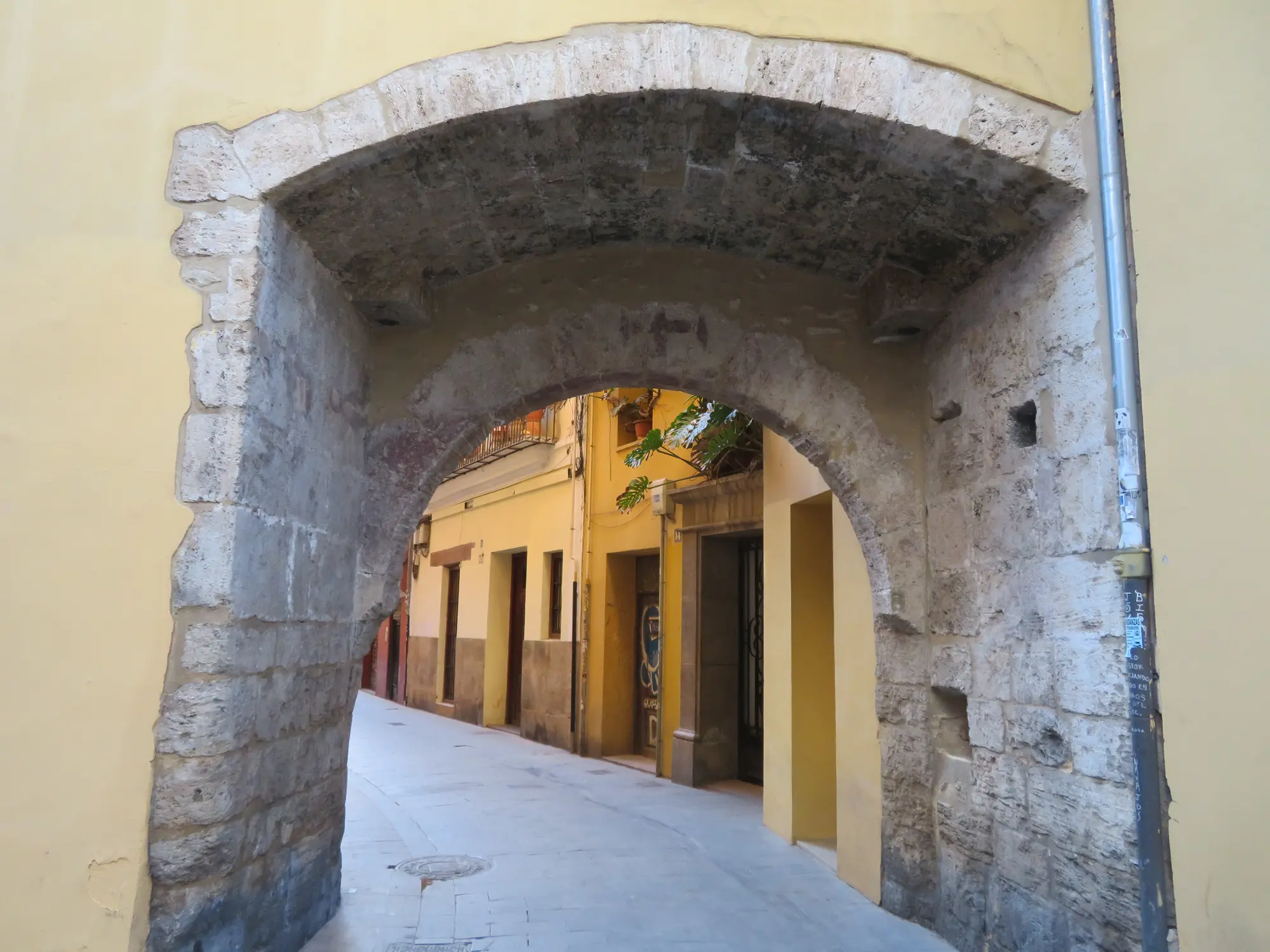 Portal de la Valldigna, El Carme · Wikimedia Commons
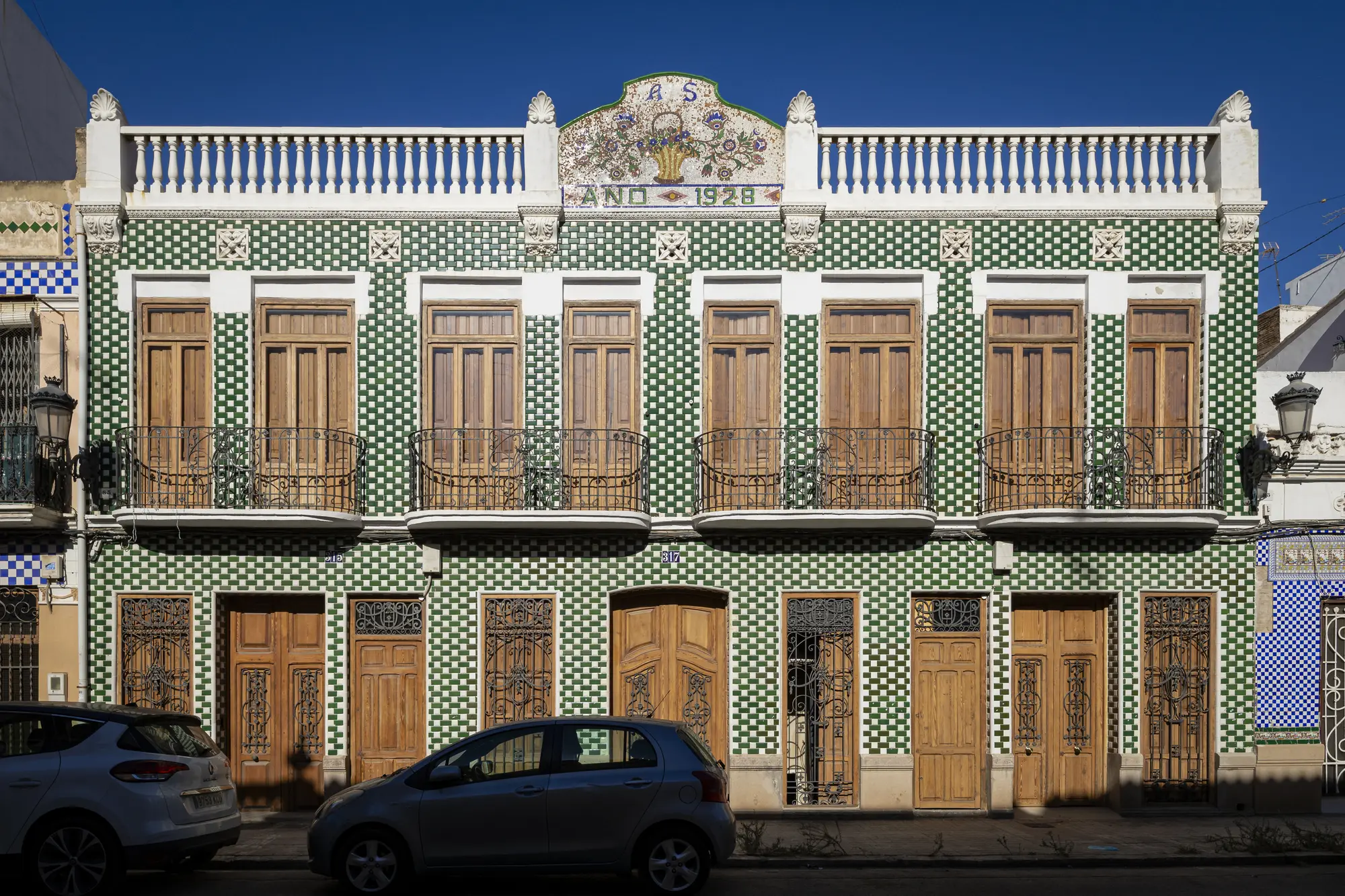 Les Casetes del Gerro, Cabanyal–Canyamelar · Wikimedia Commons
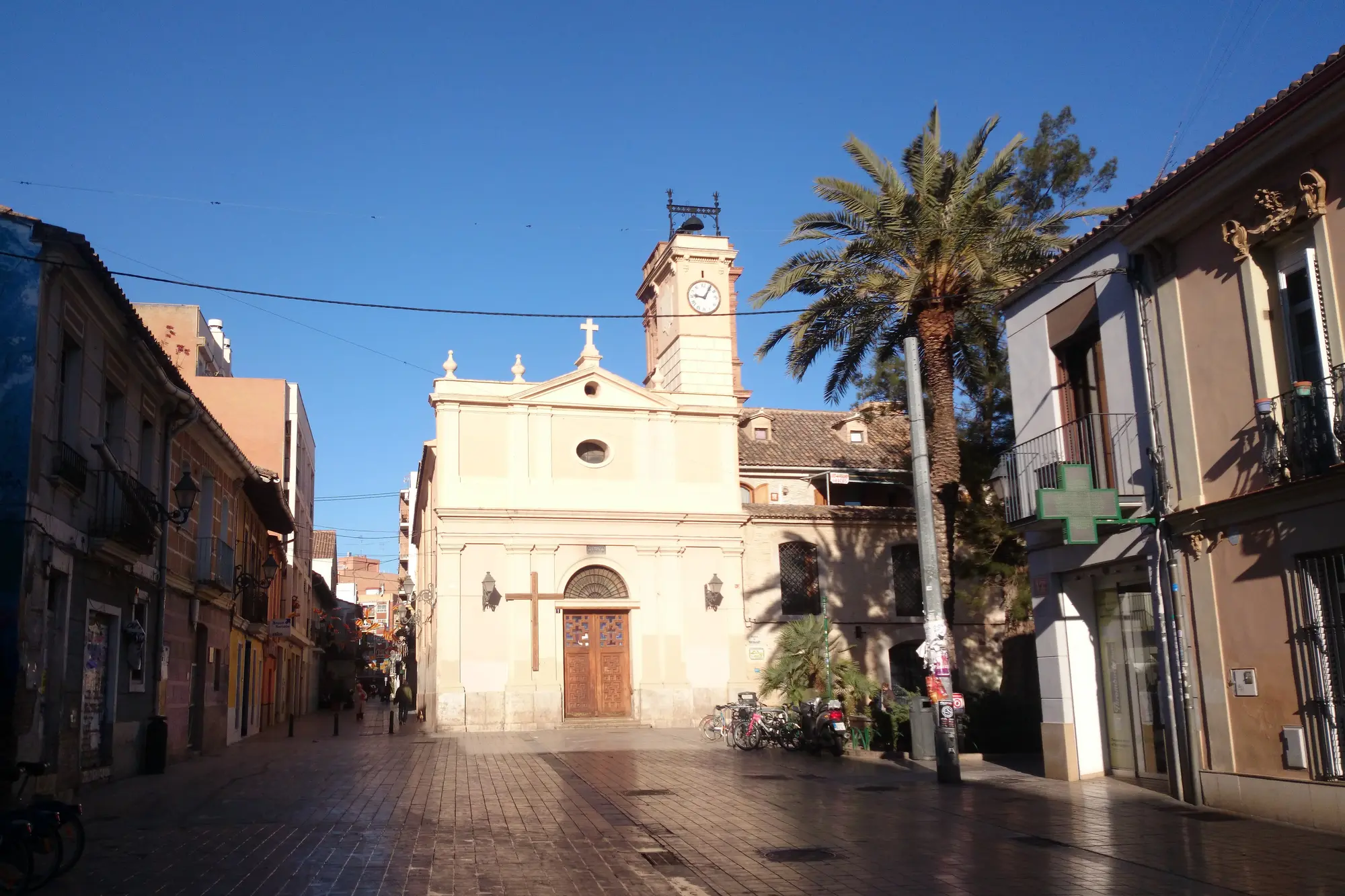 Plaça de Benimaclet and the Church of the Assumption · Wikimedia Commons
 Work by David de Limón · Official David de Limón website
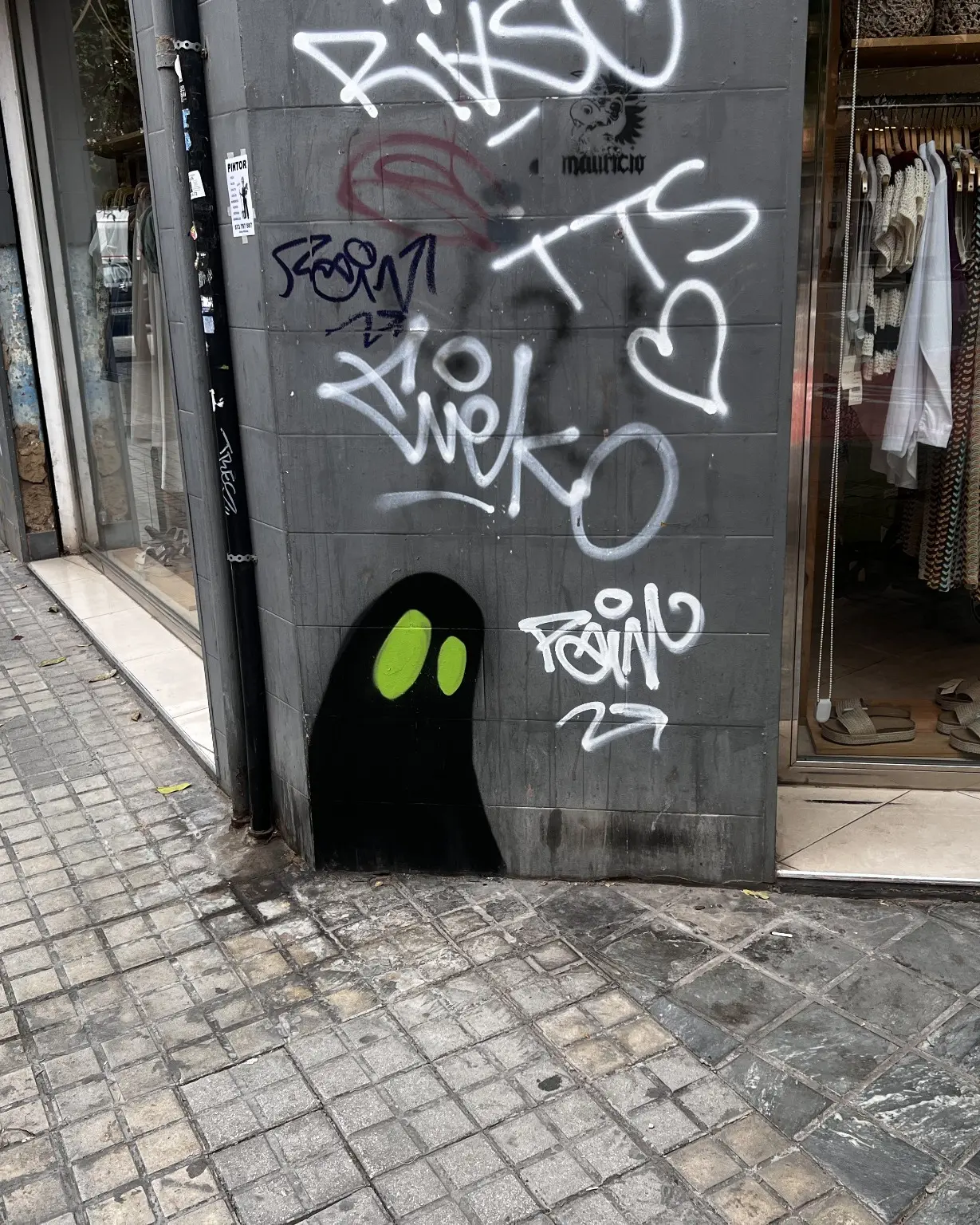 Work by La So0mbra · Official La So0mbra website
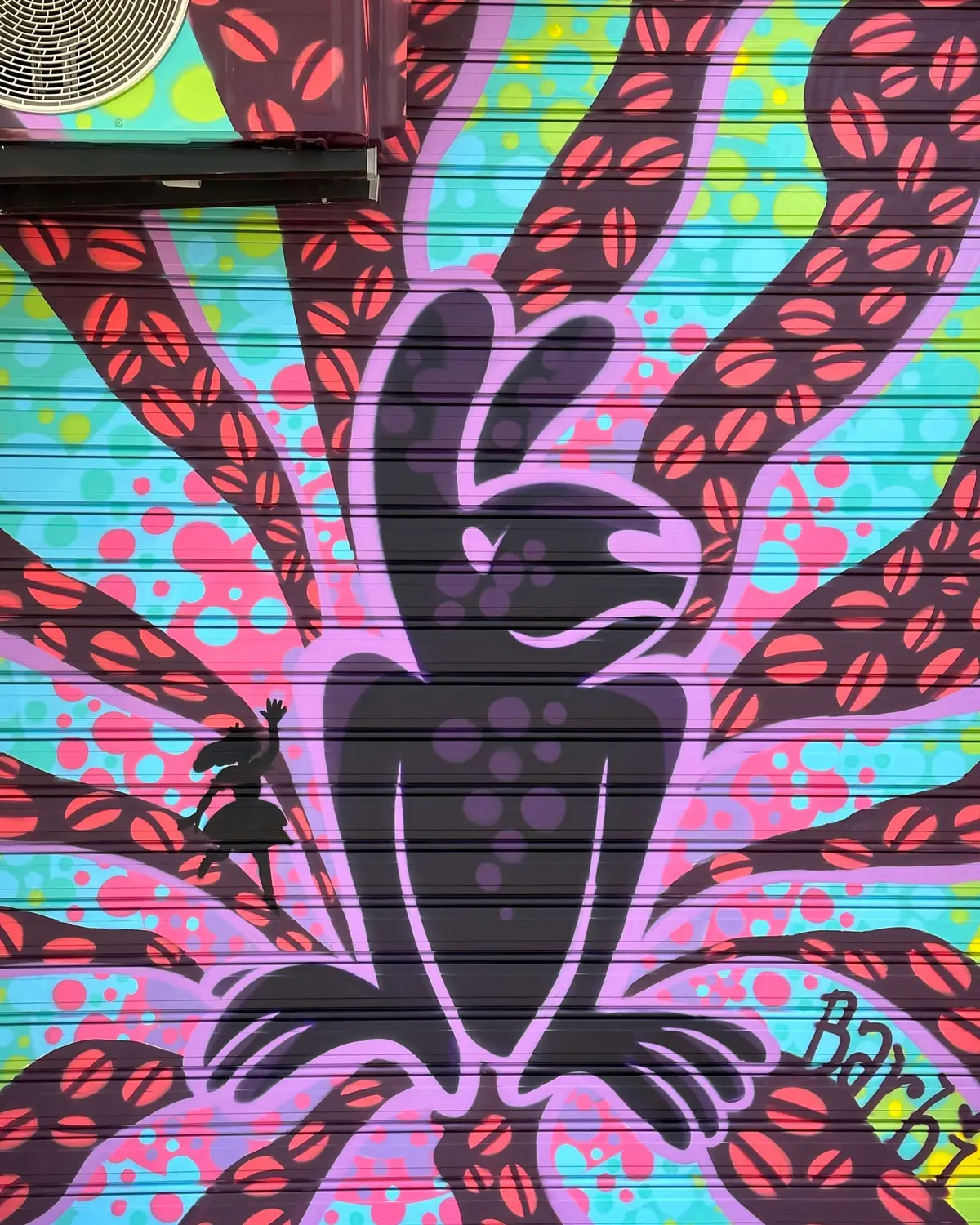 Work by Barbiturikills · Official Barbiturikills portfolio
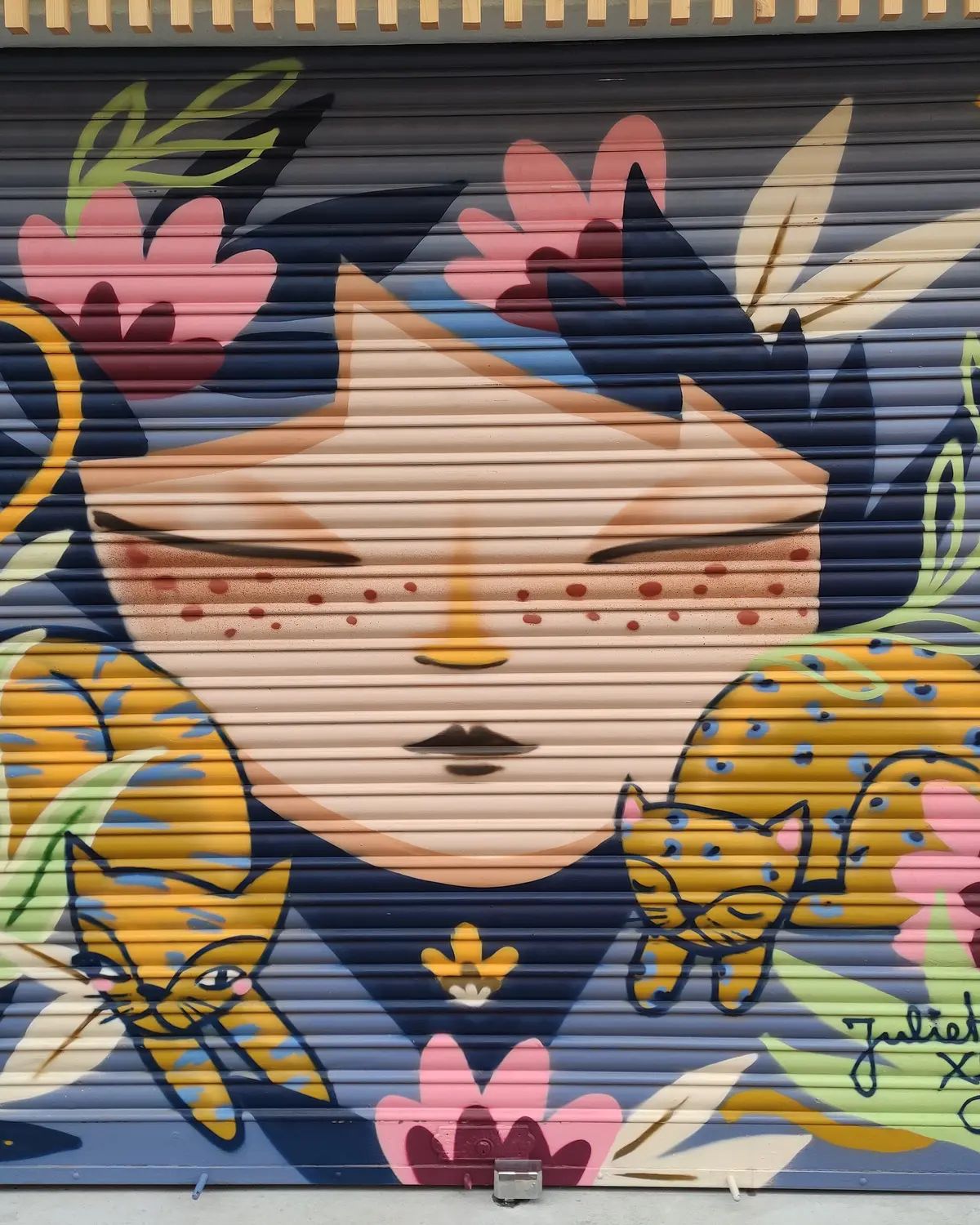 Work by Julieta XLF · Wikimedia Commons
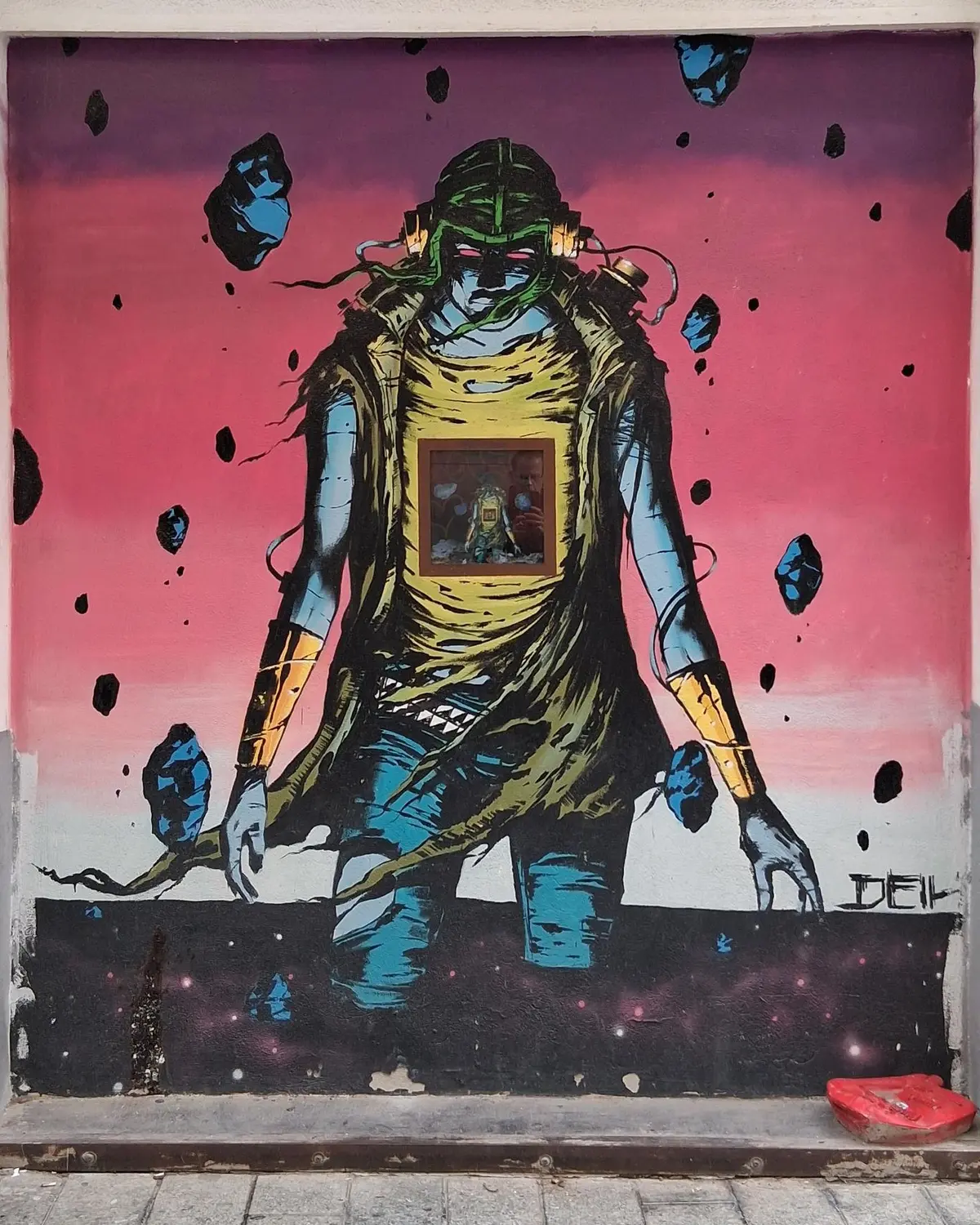 Work by Deih · Street Art Cities
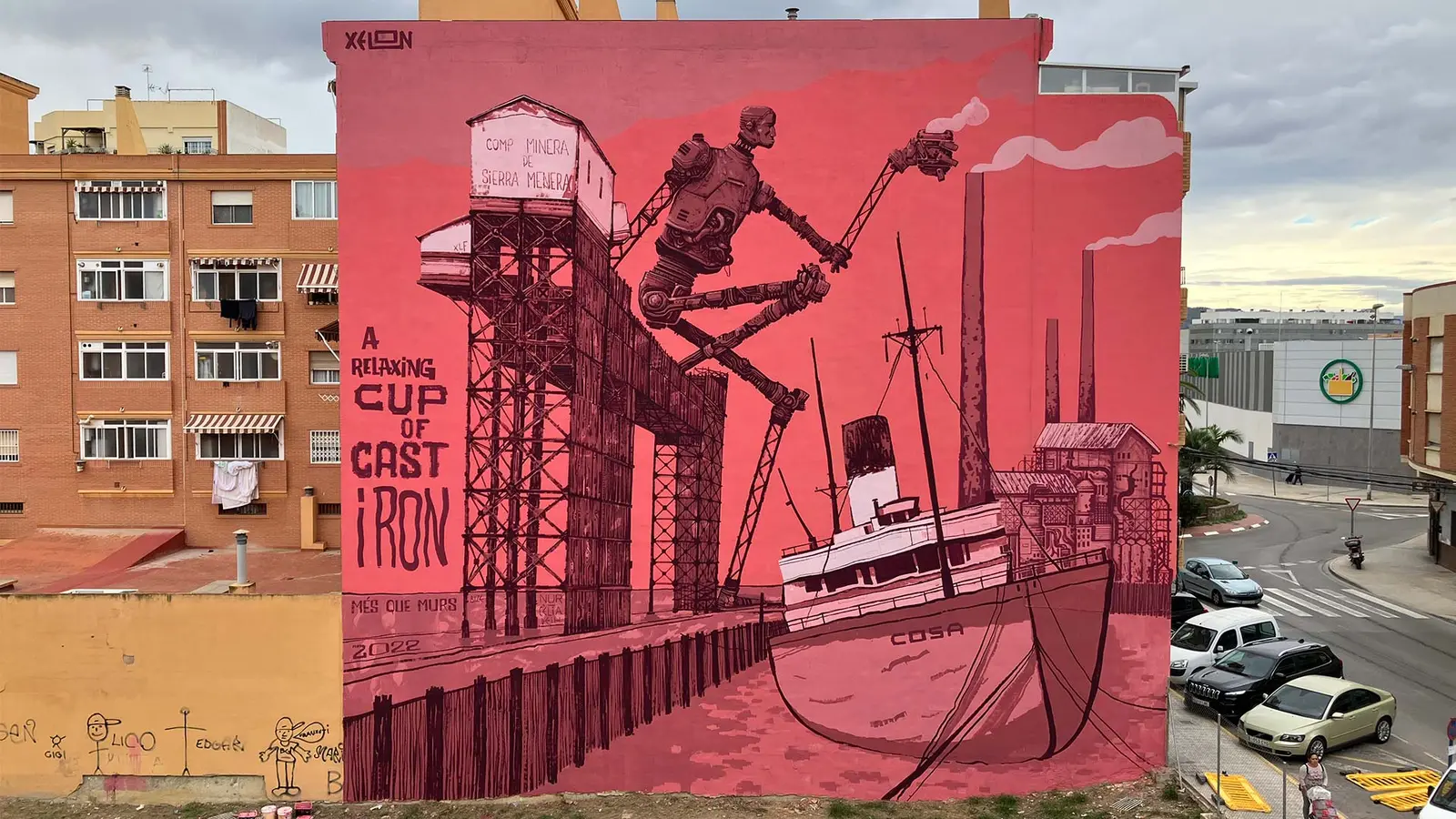 Work by Xelon · Official Xelon portfolio
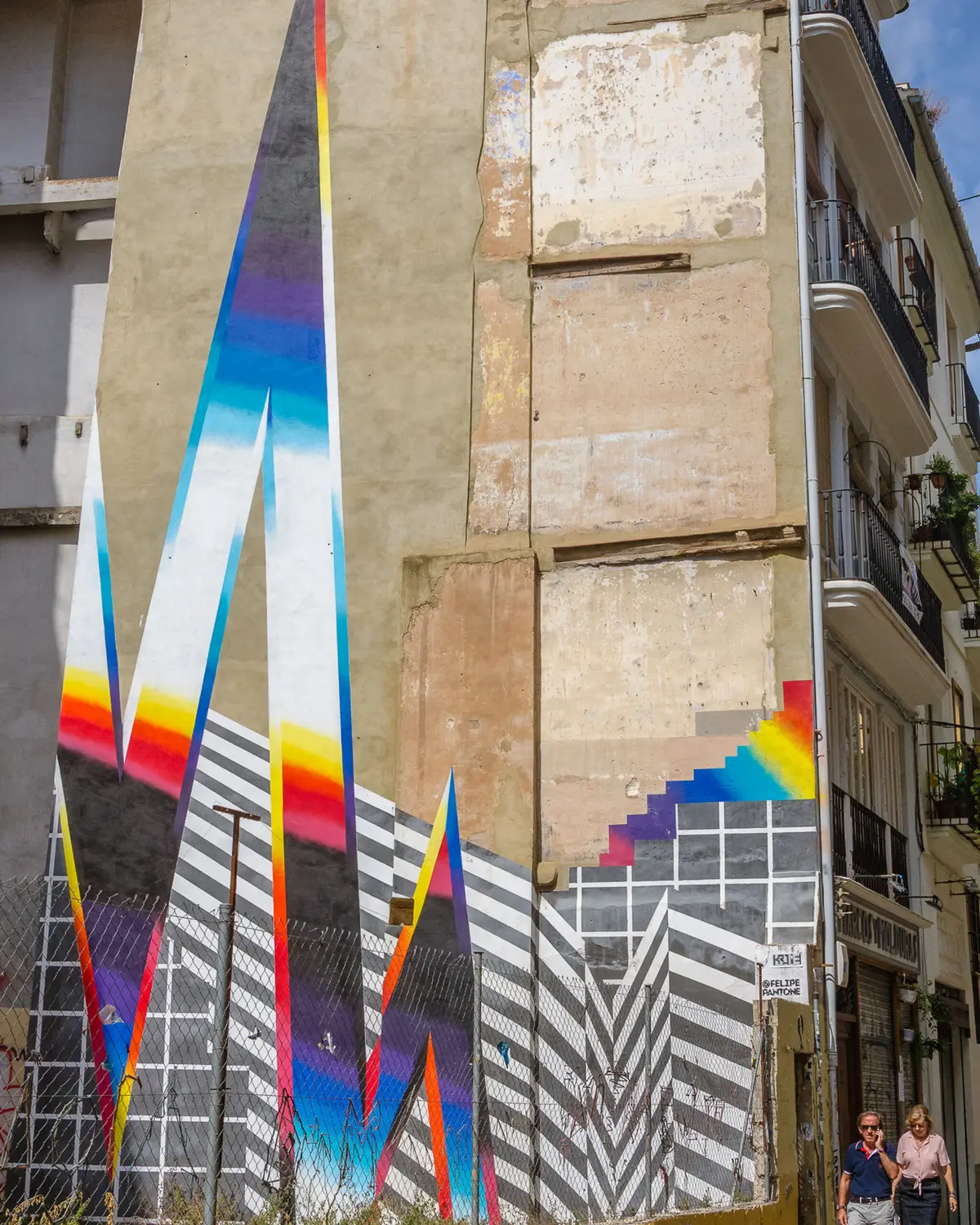 Work by Felipe Pantone · Street Art Cities
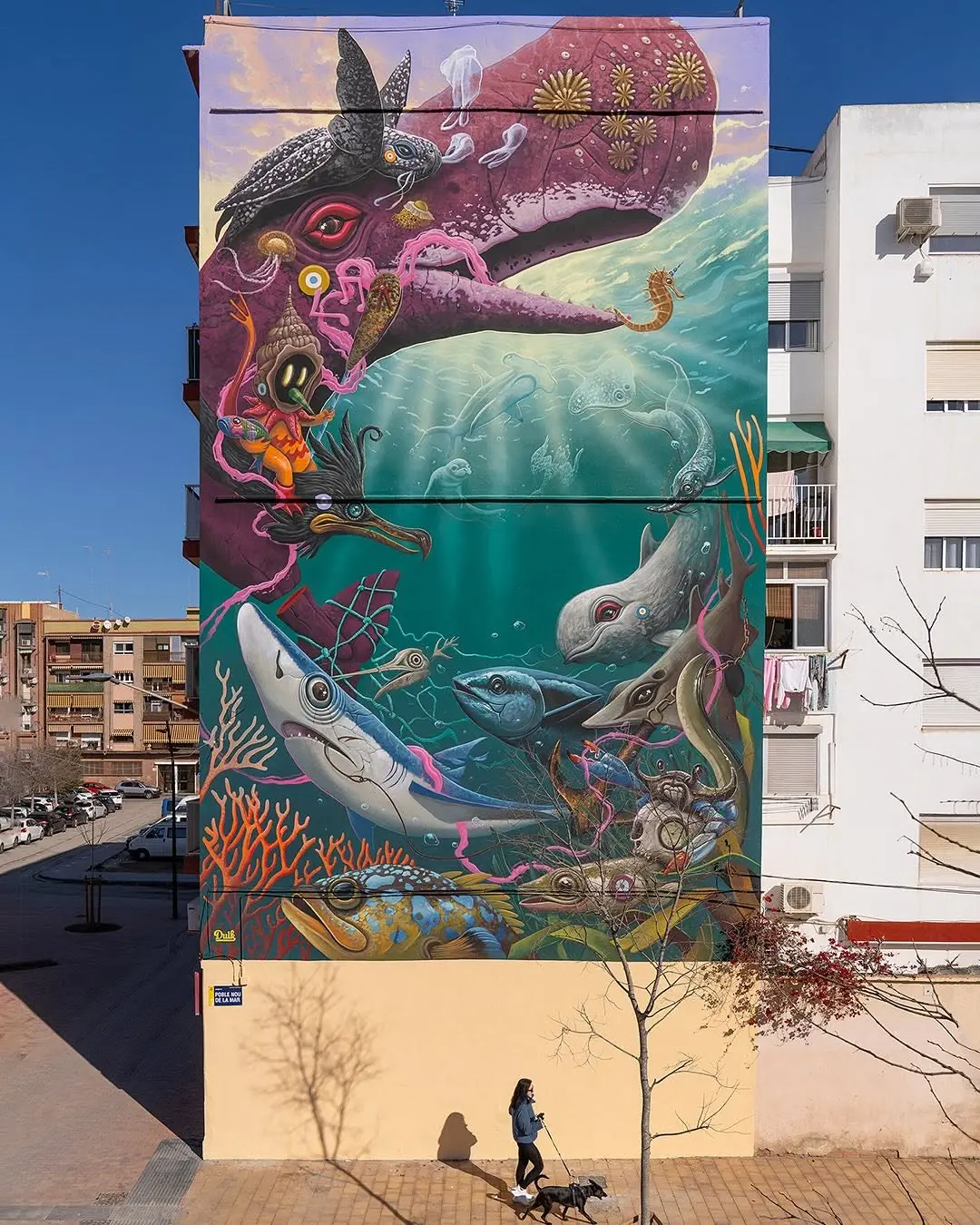 Work by Dulk · Official Instagram · @dulk1
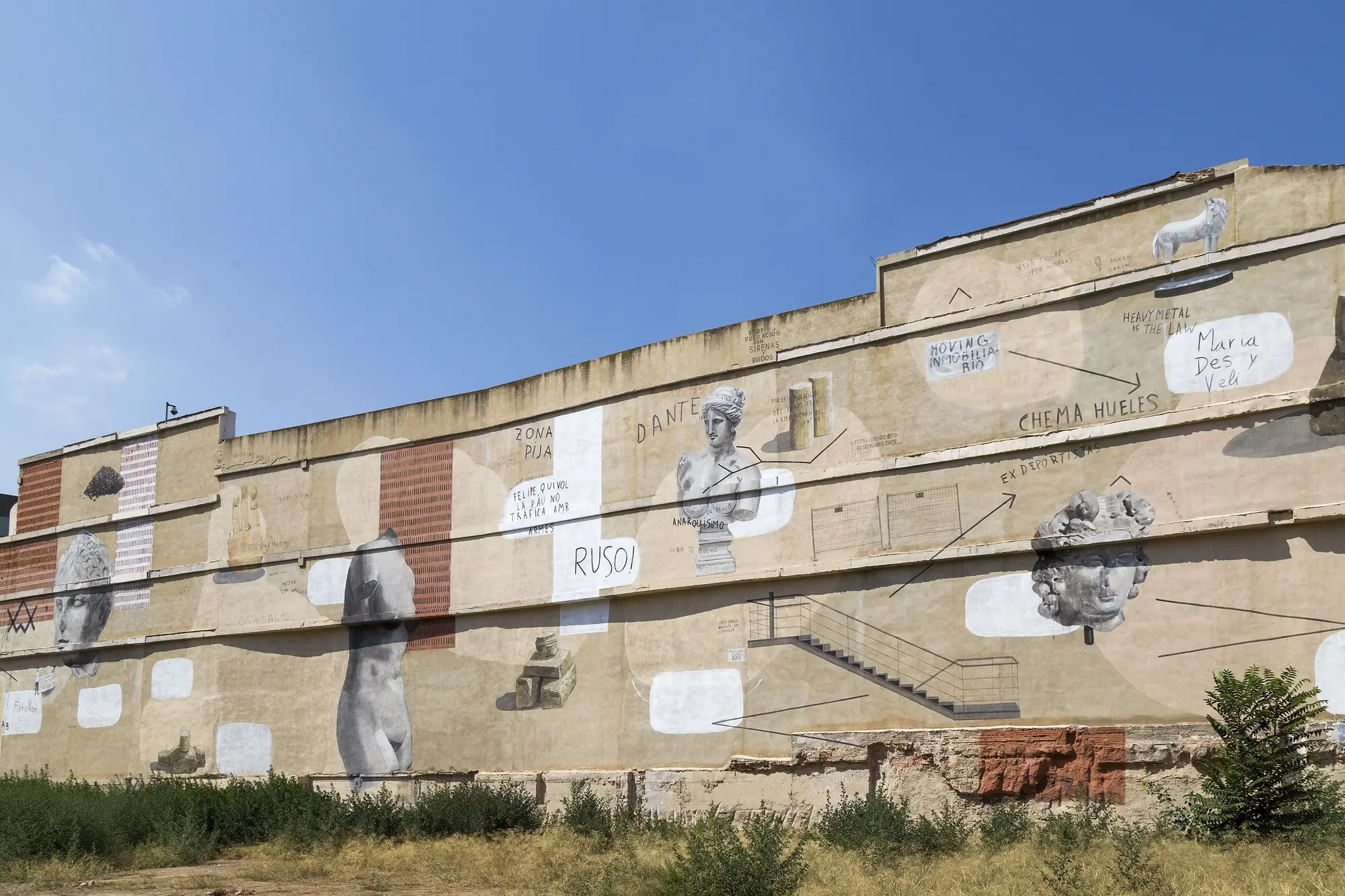 Work by Escif · Wikimedia Commons · IVAM
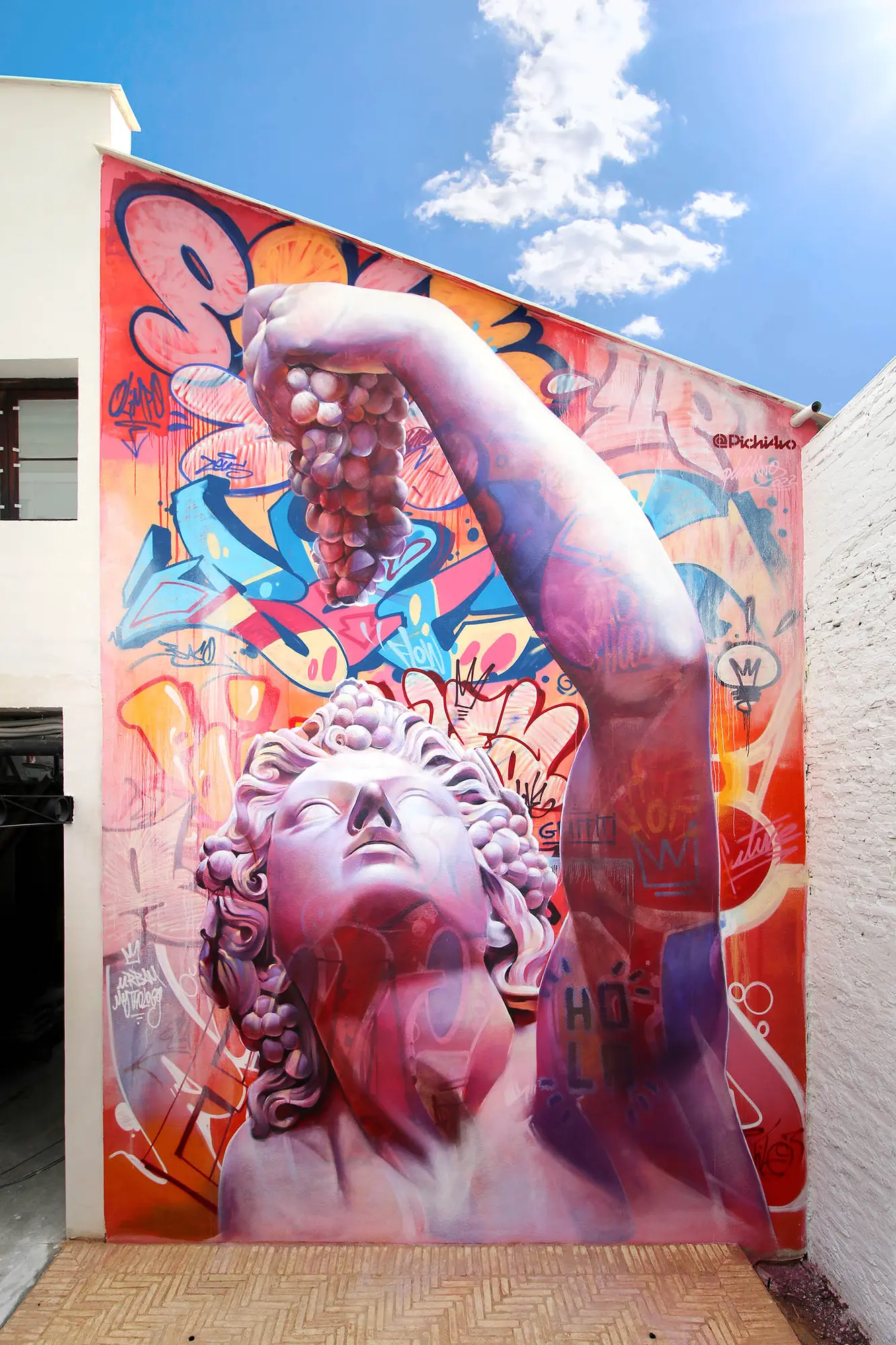 Work by PichiAvo · Official PichiAvo portfolio
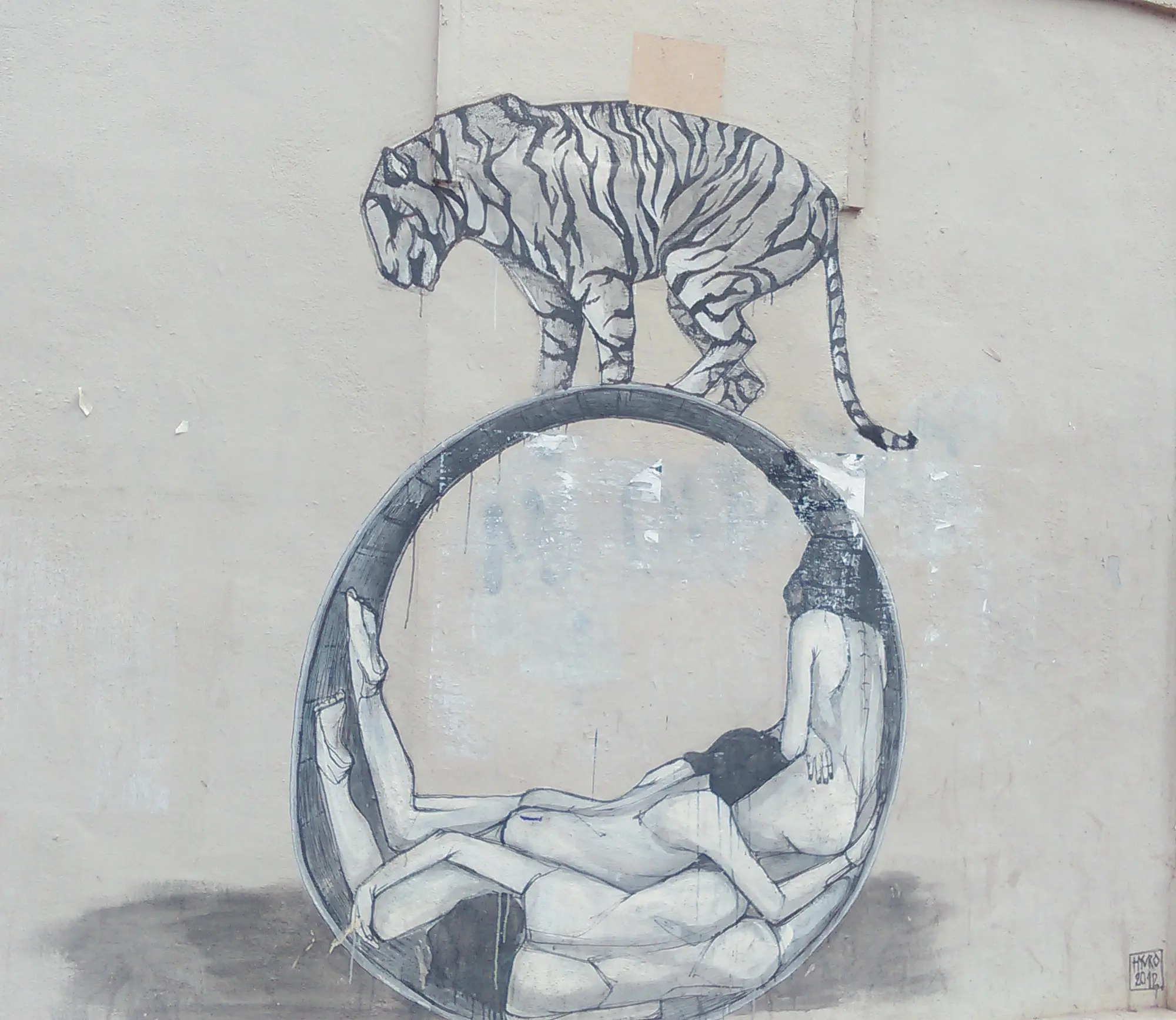 Work by Hyuro · Wikimedia Commons
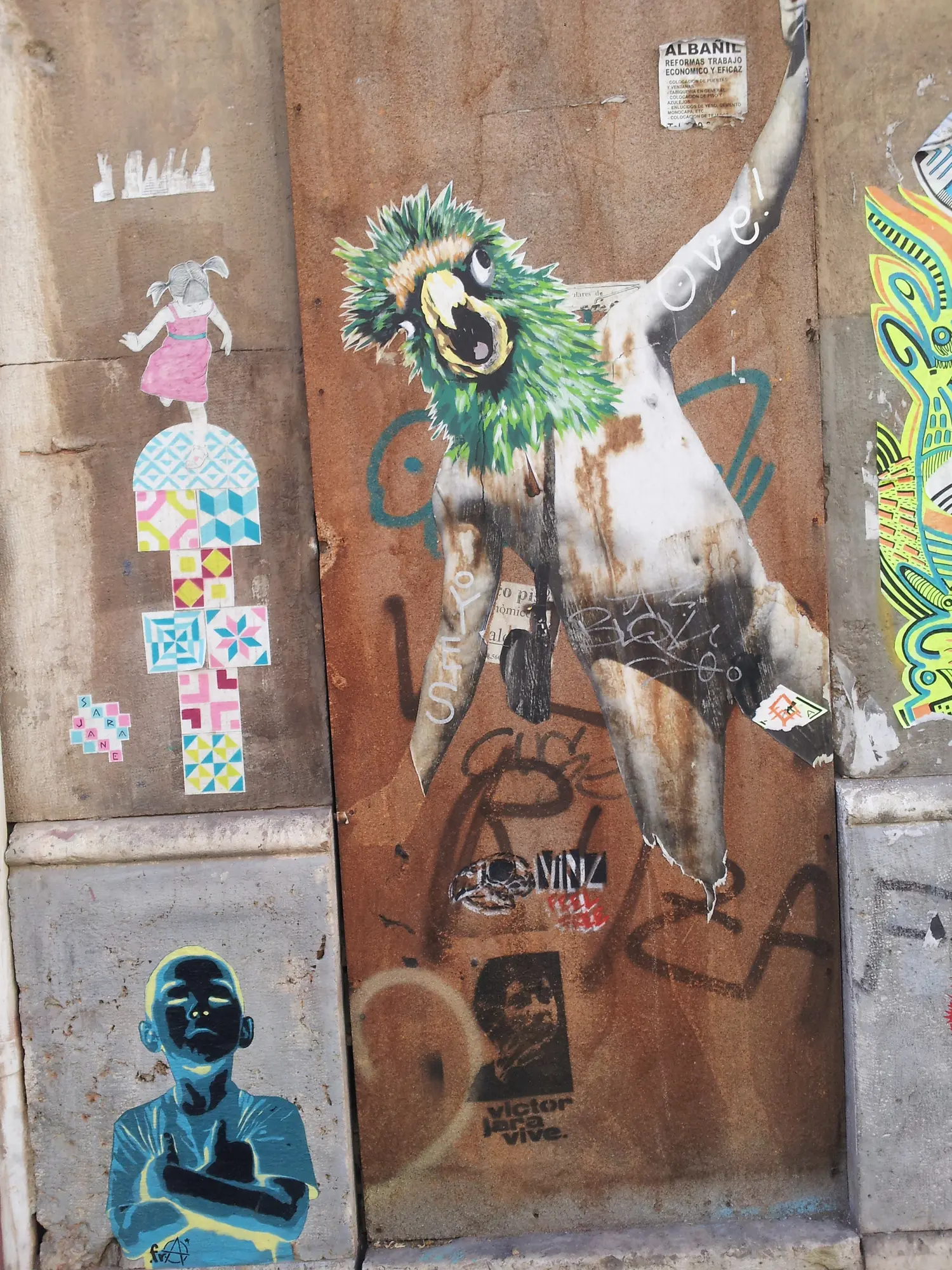 Work by Vinz Feel Free · Wikimedia Commons
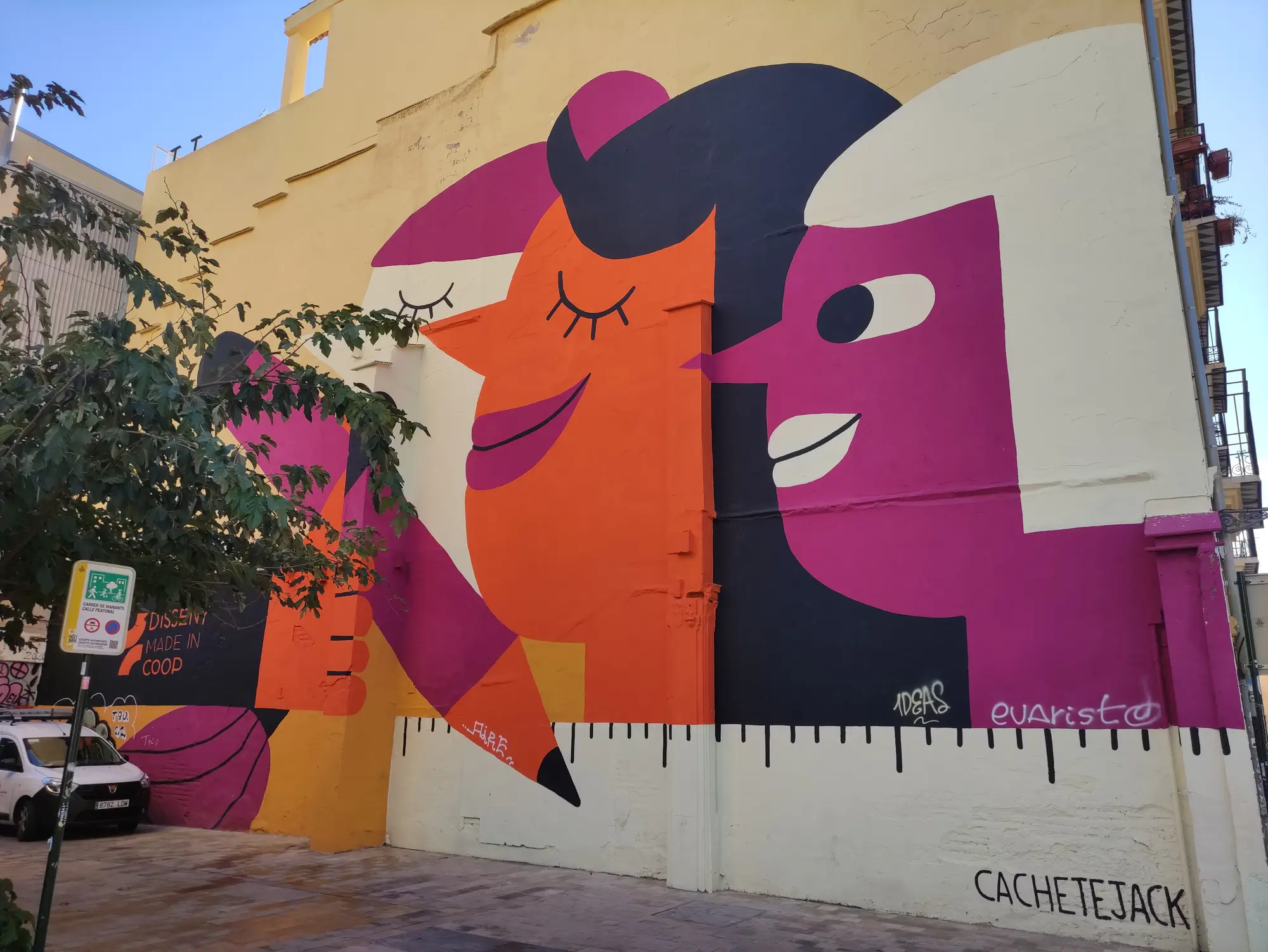 Work by Cachetejack · Wikimedia Commons
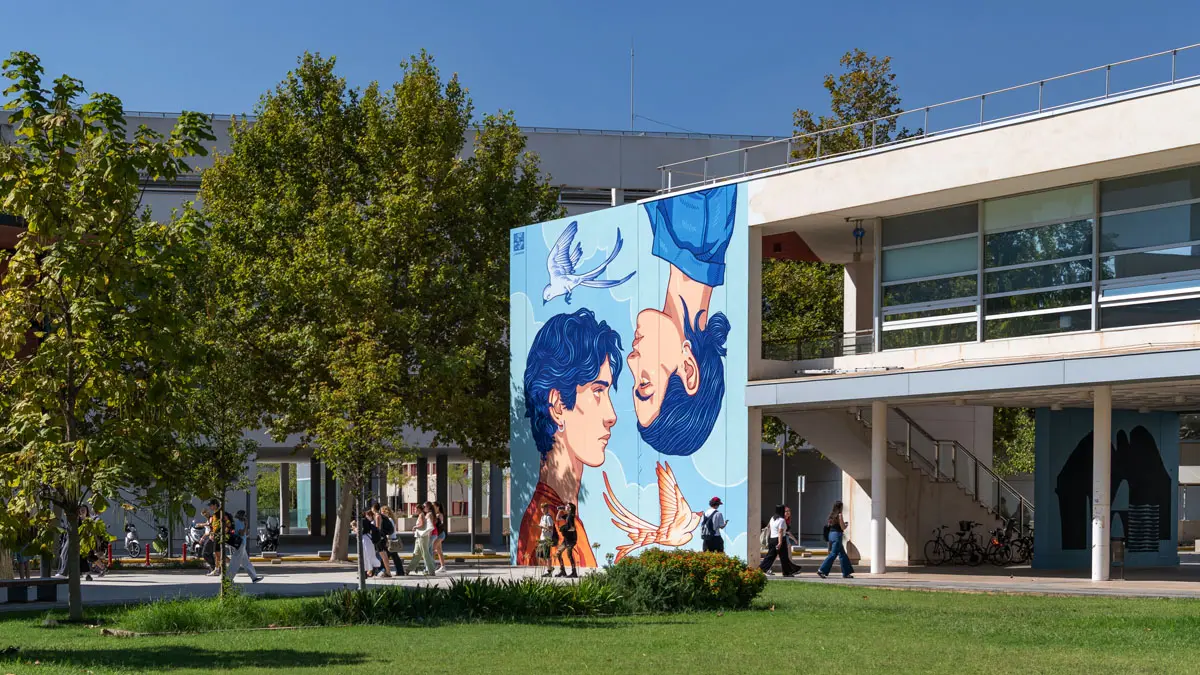 Poliniza Dos 2026 at the Campus de Vera · Universitat Politècnica de ValènciaWork by Felipe Pantone · Street Art CitiesWork by Escif · Wikimedia Commons · IVAM
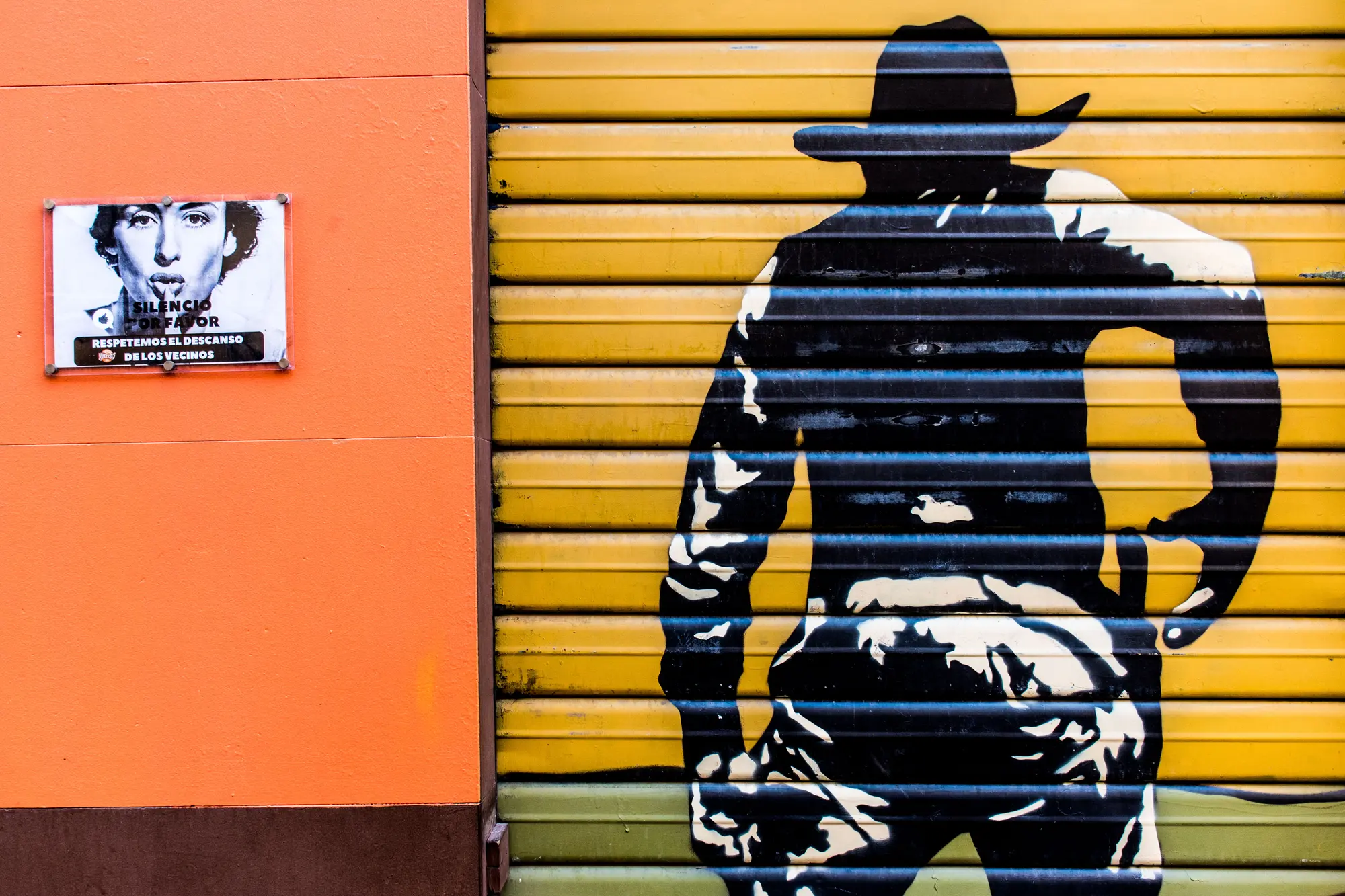 Don’t shoot. People are sleeping! · Wikimedia Commons