What ‘best’ means in a changing city
There is no permanent top-ten list for street art. Walls are repainted, shutters open and close, small interventions disappear, and large commissions change with weather and maintenance. This guide uses ‘best’ to mean the strongest starting points for understanding Valencia’s range—not the most Instagrammed walls or a ranking of artists.
The selection is based on four things: a documented relationship with the city, enough visual density or context to reward a visit, a distinct way of reading public space, and reliable sources that establish what is being described. It was reviewed on 30 September 2026; individual works may still change after that date.
Best first stop: El Carmen
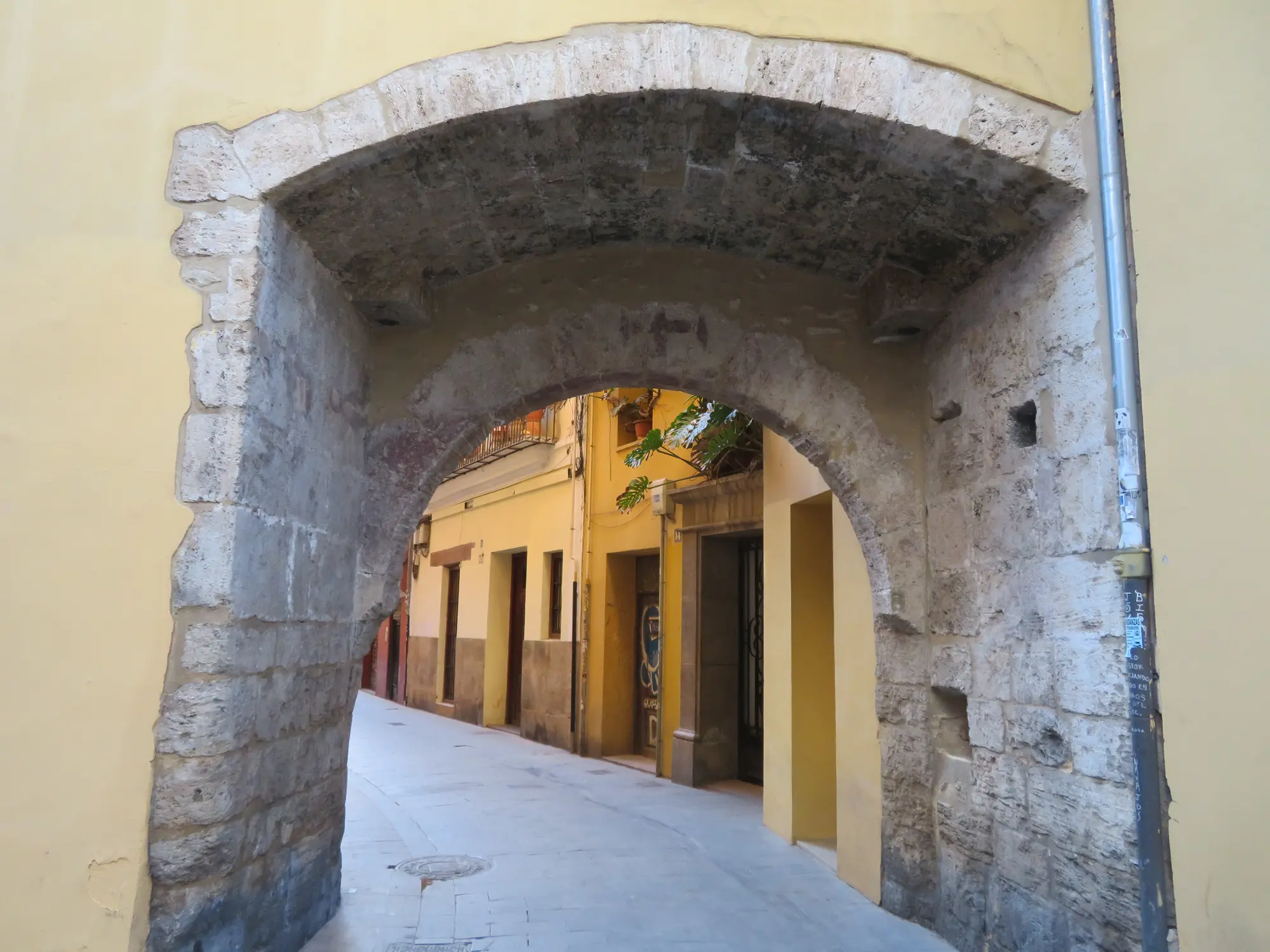
El Carmen—El Carme in Valencian—is the clearest first encounter with Valencia street art. Its narrow historic streets bring shutters, lettering, recurring characters, paste-ups and larger walls into close range. The value lies in accumulation: several visual languages can appear within a short walk without turning the neighbourhood into a fixed outdoor gallery.
Turisme Comunitat Valenciana’s urban-art experience also centres on Barrio del Carmen and identifies work connected with Escif, Julieta XLF, David de Limón, Xelon, La Nena Wapa Wapa, Barbiturikills, Xolaka, Deih and Disneylexya. Use those names as possible visual entry points, then verify authorship through the individual profiles rather than attributing by resemblance alone.
 VSA / Archive image
Best for art and architecture together: El Cabanyal
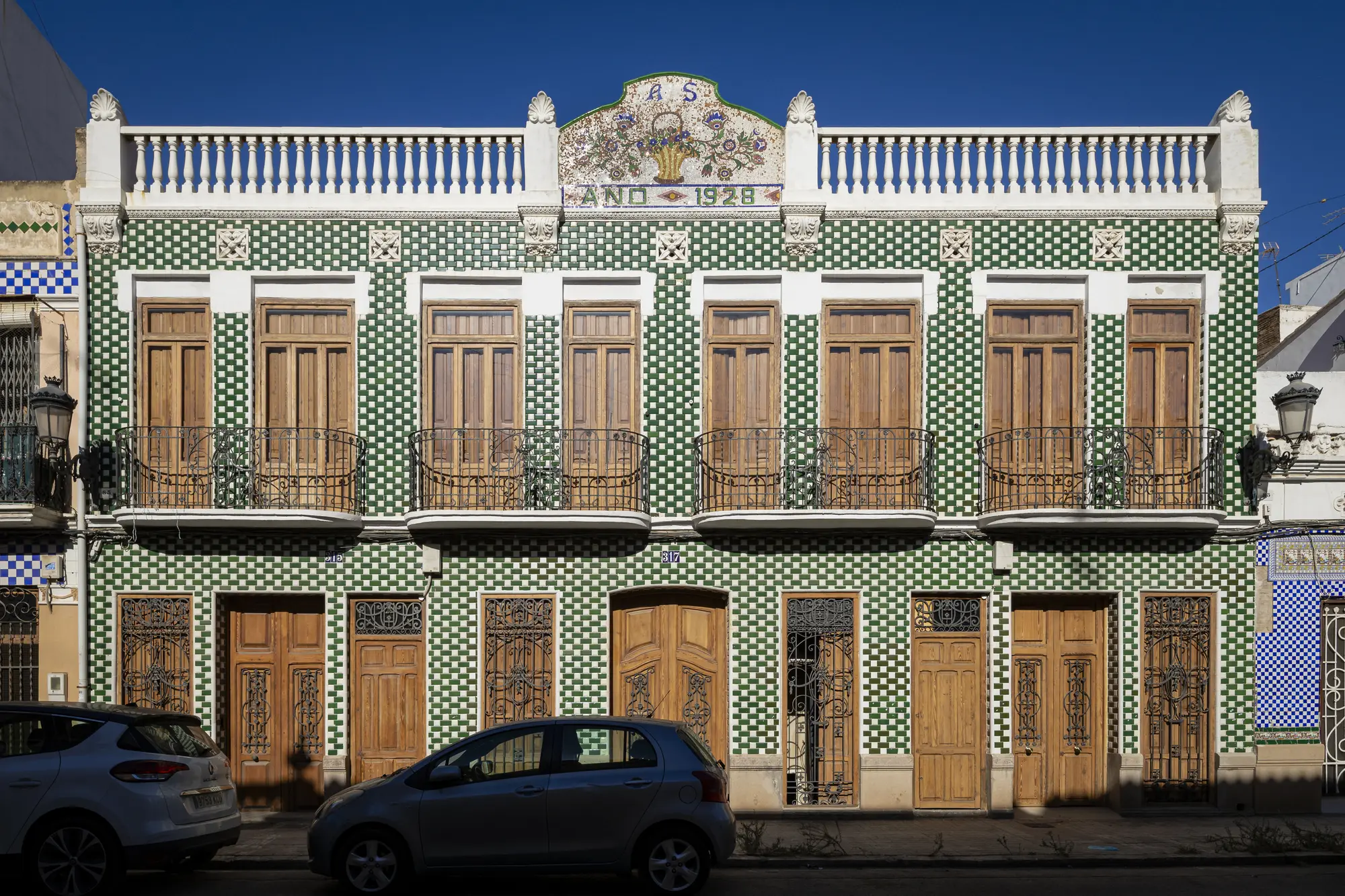
El Cabanyal–El Canyamelar offers a different kind of looking. Maritime architecture, tiled façades, low-rise streets and domestic scale shape the encounter before any intervention is identified. A work can be read across a junction, beside an entrance or as a small graphic interruption in a highly distinctive built setting.
Begin with the architecture and separate decoration from intervention: not every painted or tiled surface is street art. The neighbourhood guide connects this context with documented Valencia-linked artists, including Dulk and David de Limón, while keeping residential space and changing wall conditions in view.
 VSA / Archive image
Best continuous mural route: Abstracte, un riu d’art
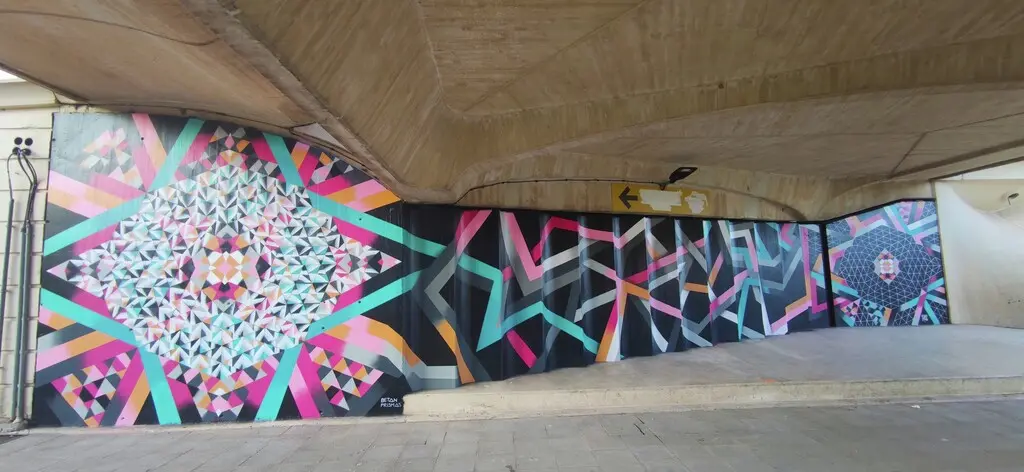
For a coordinated route rather than an open-ended neighbourhood walk, Abstracte offers twelve commissioned abstract interventions across almost ten kilometres of the Túria Garden. Bridges, sports facilities, stairs and service buildings become part of the work, making support, movement and architecture as important as colour.
The complete route is easier to connect by bicycle; on foot, a shorter stretch gives more time to compare scale and surface. Abstracte is a curated public-art project, not a substitute for the city’s unsanctioned graffiti culture, and the condition of individual works should never be assumed from launch photographs alone.
 VSA / Archive image
Best for institutional exchange: Poliniza Dos at UPV
Poliniza Dos provides a longer institutional view of urban art in Valencia. The Universitat Politècnica de València archive documents editions from 2006 onward, while the twenty-first edition took place on the Campus de Vera from 11 to 15 May 2026.
The 2026 programme deliberately moved beyond mural painting towards spatial, architectural and research-led practices. That makes the campus useful for understanding how Valencia’s urban-art conversation extends beyond one wall format. Treat surviving works as dated evidence: a festival archive confirms a project, not its unchanged availability today.
Artists who open different ways of looking
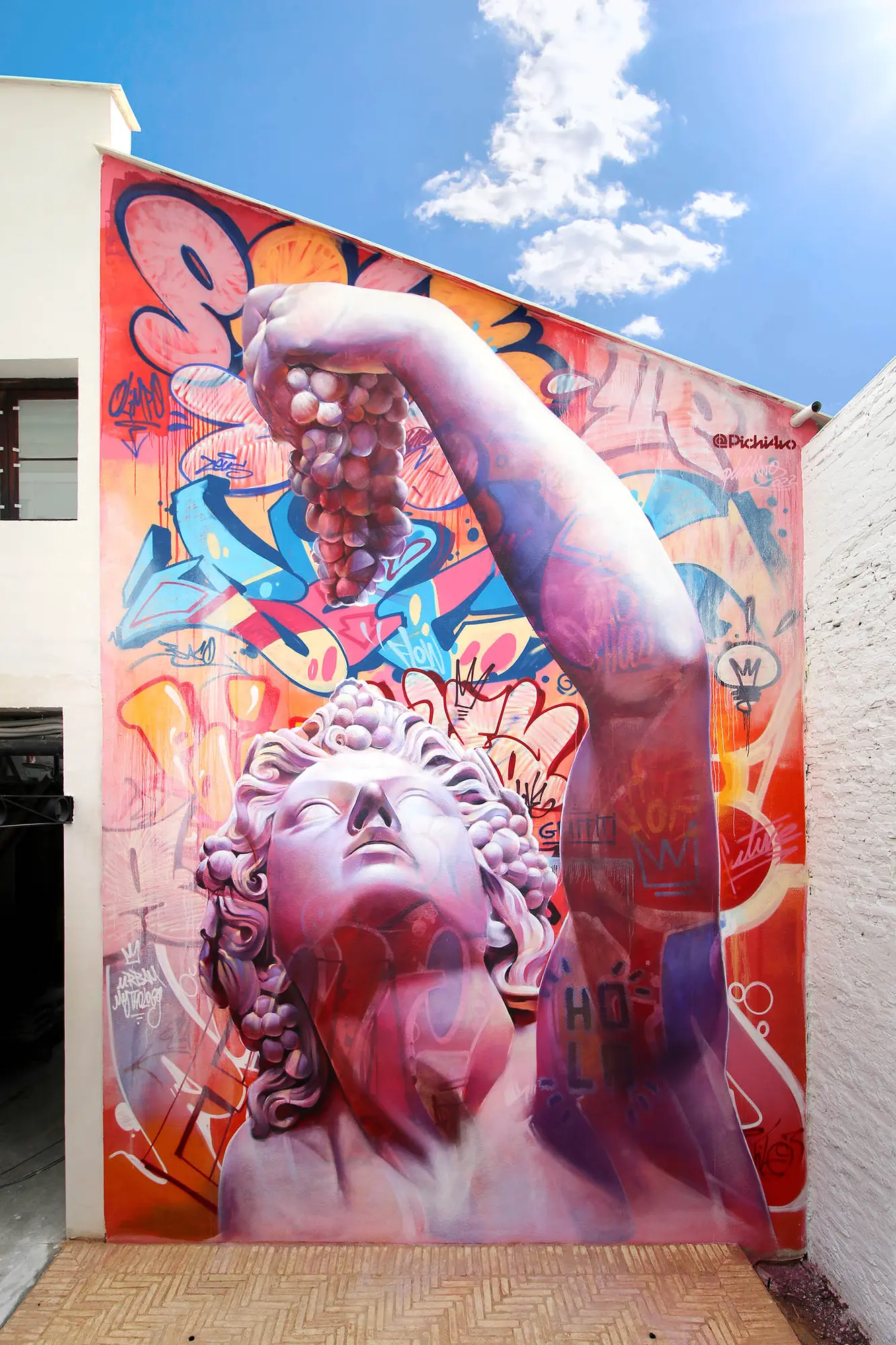
Learning a few distinct visual languages makes the city easier to read. Escif and Hyuro show how restrained figurative images can carry political or social weight. Julieta XLF and David de Limón build recognition through recurring characters. Felipe Pantone turns colour and geometry into optical movement, while PichiAvo overlays classical sculpture and graffiti writing. Dulk’s dreamlike wildlife connects spectacle with ecological concern, and Deih uses science-fiction imagery to approach inner life and human connection.
These names are entry points, not a definitive canon. Centre del Carme’s 2025 PRINCIPIOS exhibition documented ten Valencia-linked urban artists whose practices developed from the early 2000s into international careers. The broader directory on this site expands that picture across writing, illustration, stencils, characters and muralism.
 VSA / Archive image
If you only have two hours
Choose one area instead of trying to cross the city. For a first visit, use the El Carmen guide and its municipal map, then make three passes through the streets: first notice architecture and surfaces; next look for recurring forms, lettering and scale; finally record only the works you want to investigate later.
If you prefer a clearly defined project, choose a manageable section of Abstracte rather than attempting the full route on foot. El Cabanyal works better as a separate visit, because its value comes from slowing down and reading art in relation to the neighbourhood’s architecture.
Leave room for the street to change
Use every location as orientation, not a guarantee. Keep entrances clear, respect residents and businesses, and avoid treating private homes or passers-by as scenery. When photographing a work, record the date and area and preserve the artist and photographer credit where it is known.
The most useful visit is not the one that completes a checklist. It is the one that leaves you able to distinguish a mural from a recurring character, a commissioned route from unsanctioned writing, and a documented attribution from an attractive guess.
Field note: Begin with one place, learn a few visual languages and treat every wall as temporary evidence. El Carmen is the strongest first walk; El Cabanyal, Abstracte and Poliniza reveal different relationships between art and city.
Method and sources
- Turisme Comunitat Valenciana: Urban art in Valencia: an open-air museum (opens in a new tab)
- Visit València: Graffiti route: Abstracte, un riu d’art (opens in a new tab)
- Zedre: Abstracte, un riu d’Art project and artist route (opens in a new tab)
- Ajuntament de València: Official El Carme neighbourhood map (opens in a new tab)
- Ajuntament de València: Official Cabanyal–Canyamelar neighbourhood map (opens in a new tab)
- Centre del Carme Cultura Contemporània: PRINCIPIOS exhibition, 2025 (opens in a new tab)
- Universitat Politècnica de València: Poliniza Dos edition archive (opens in a new tab)
- Universitat Politècnica de València: Poliniza Dos Urban Art Encounter, 2026 overview (opens in a new tab)
- Valencia Street Art: Valencia Street Art editorial policy
Related reading
Continue exploring
Portal de la Valldigna, El Carme · Wikimedia CommonsLes Casetes del Gerro, Cabanyal–Canyamelar · Wikimedia Commons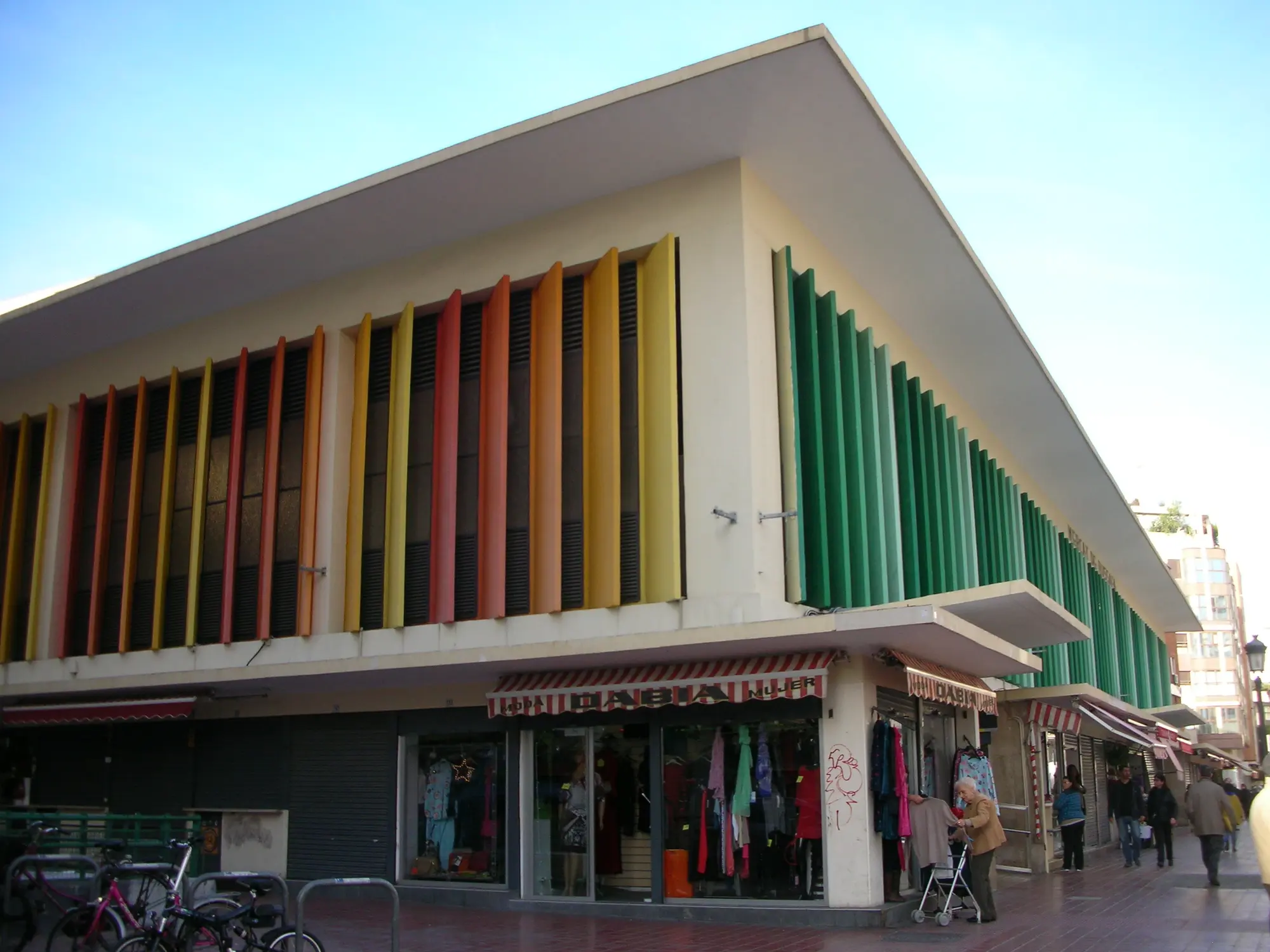 Mercat de Russafa · Wikimedia Commons
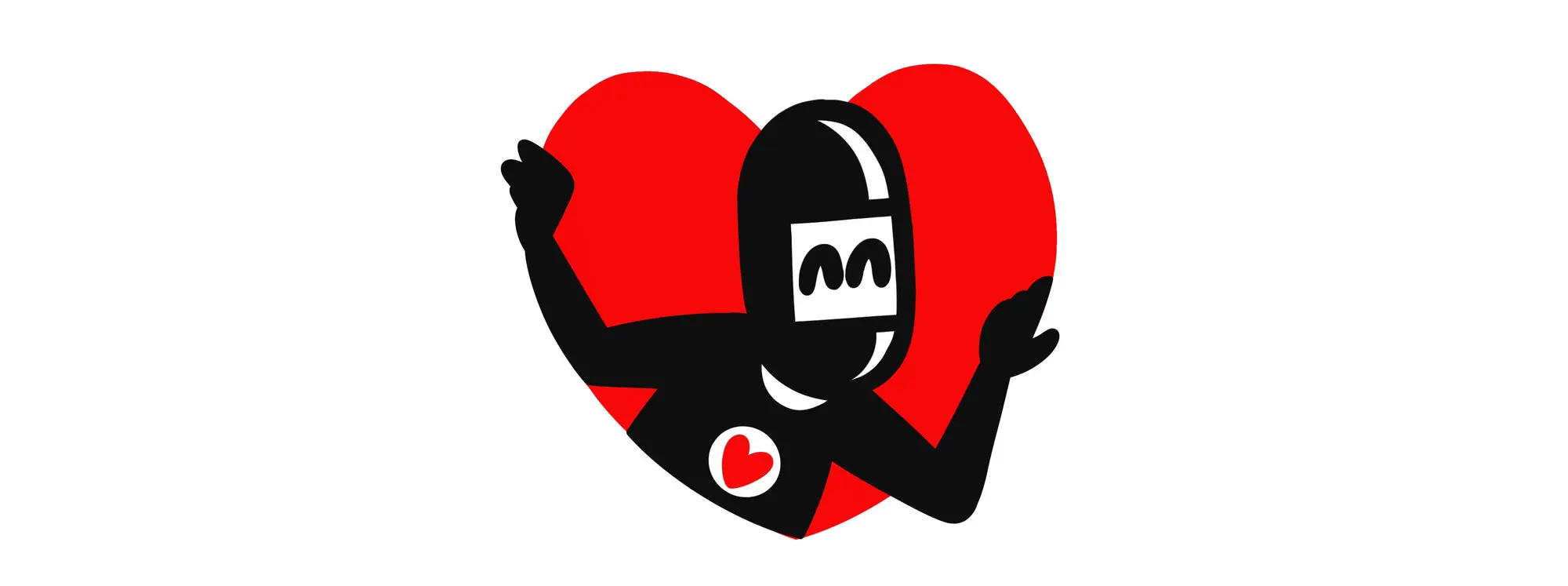 Work by David de Limón · Official David de Limón website
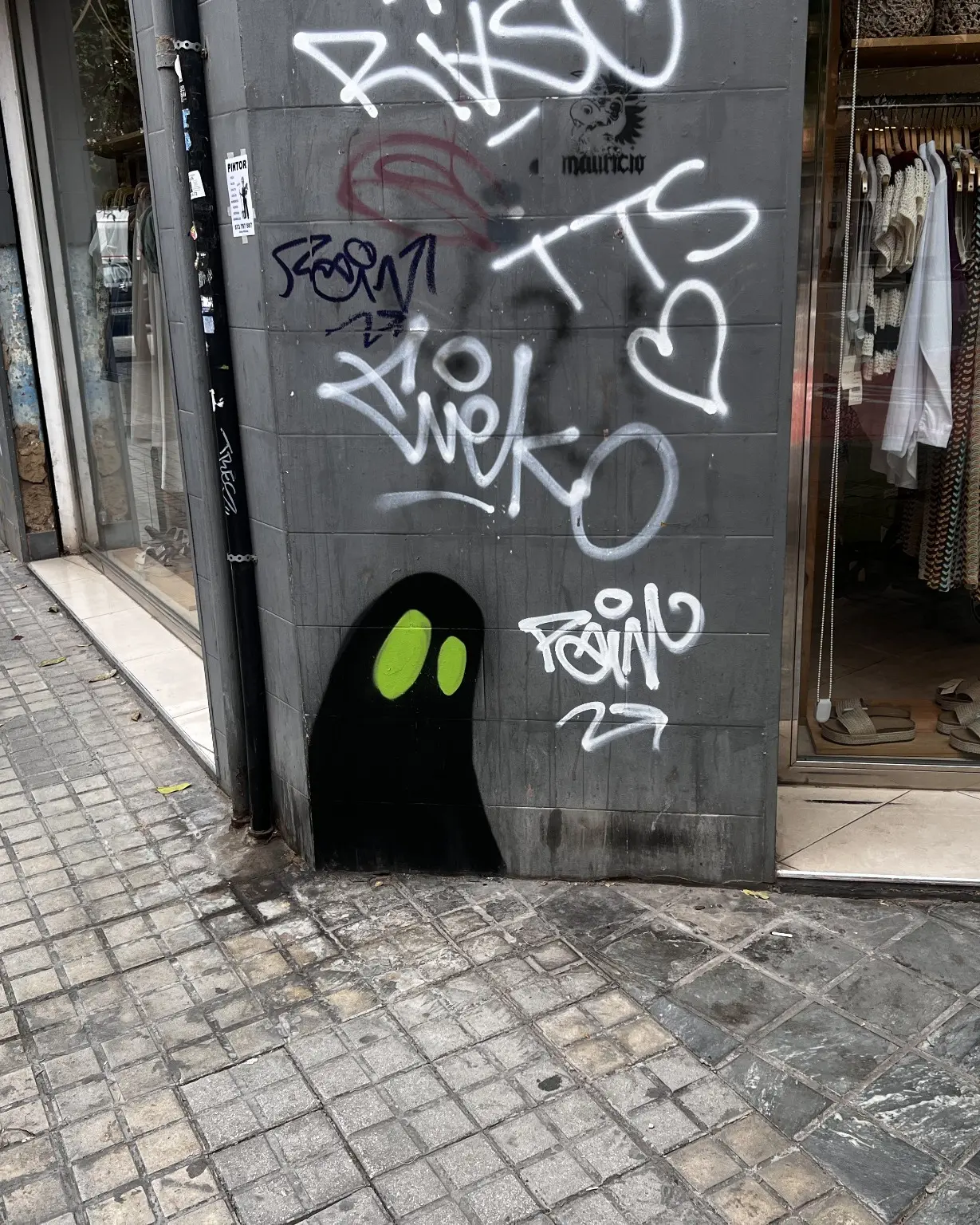 Work by La So0mbra · Official La So0mbra website
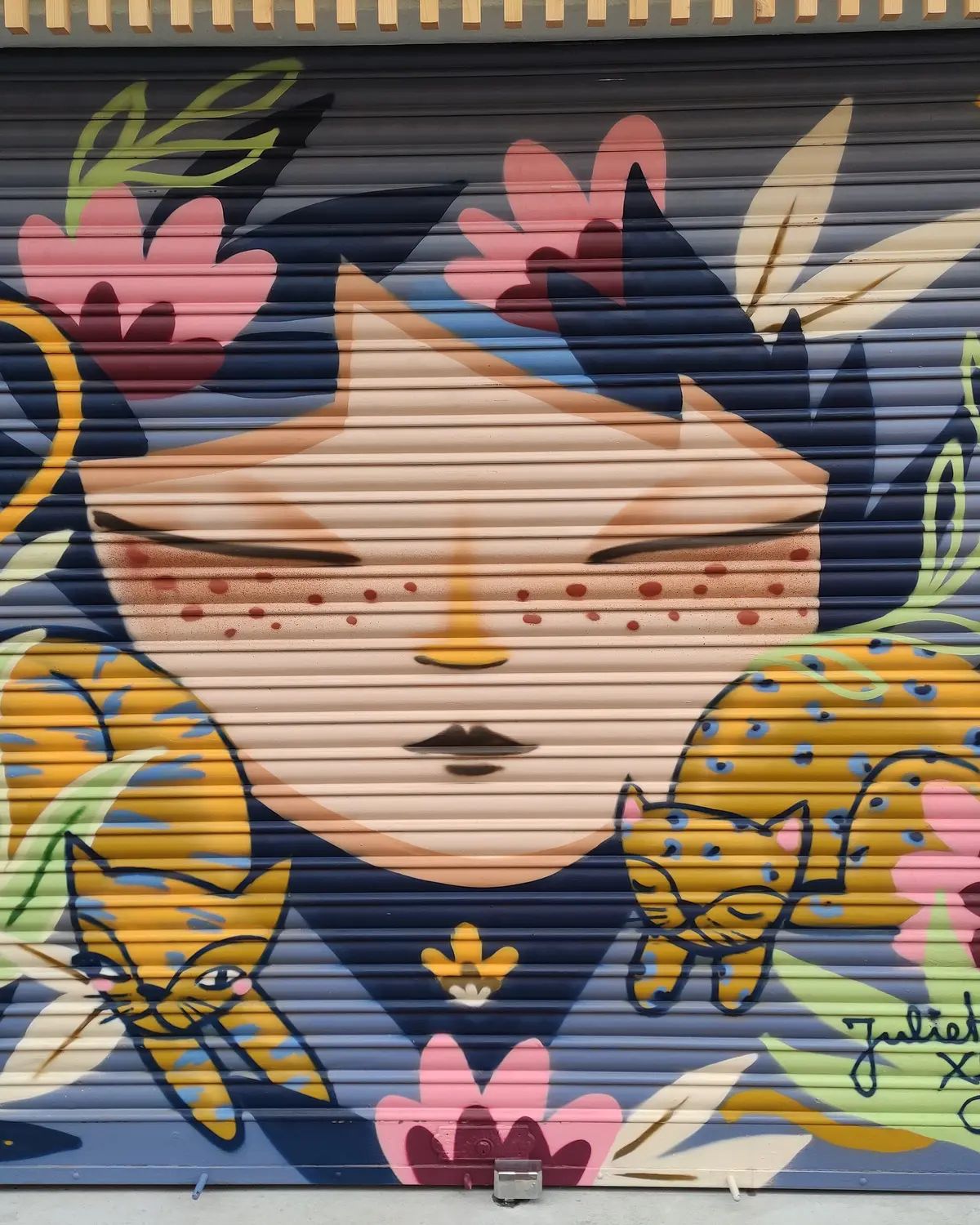 Work by Julieta XLF · Wikimedia Commons
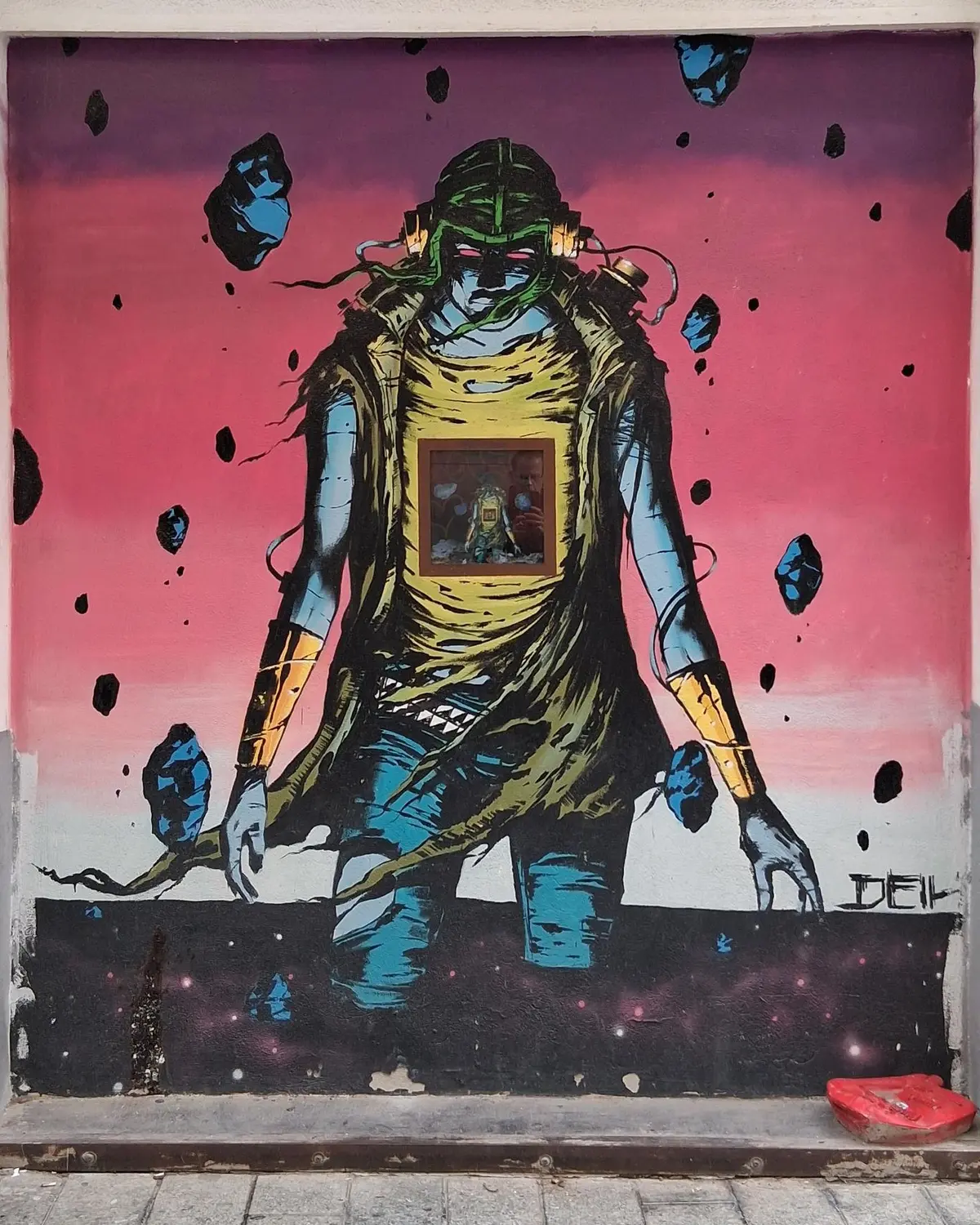 Work by Deih · Street Art Cities
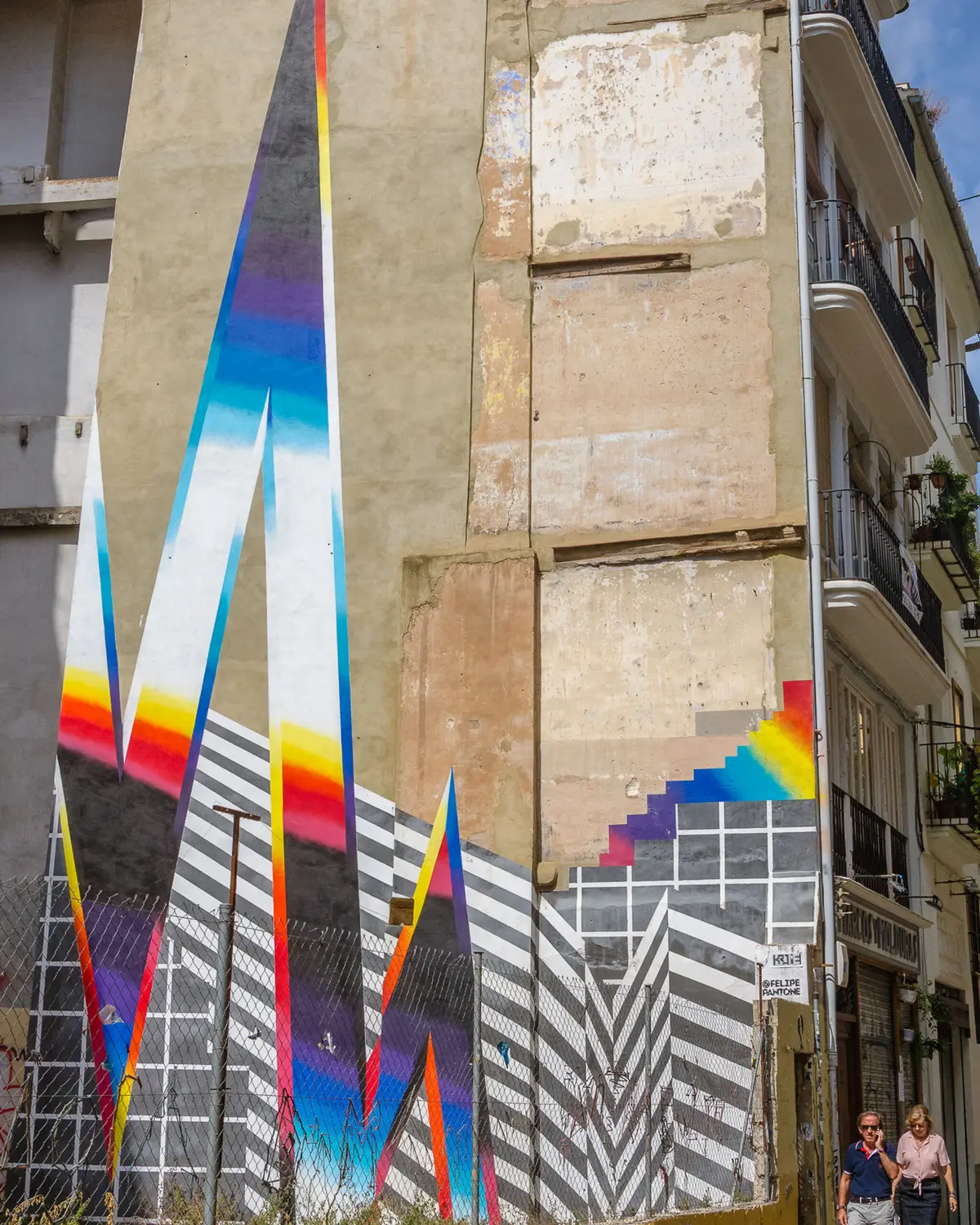 Work by Felipe Pantone · Street Art Cities
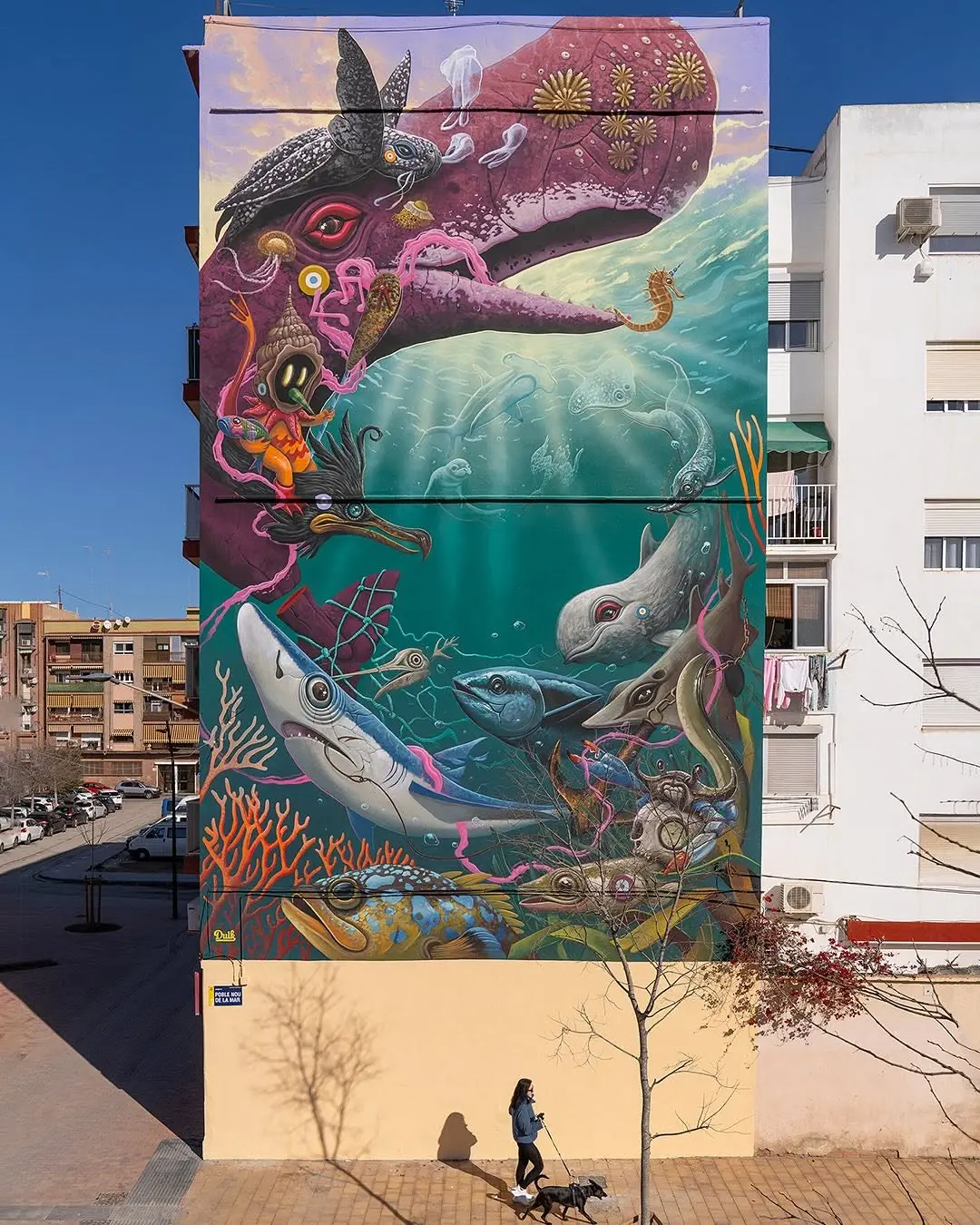 Work by Dulk · Official Instagram · @dulk1
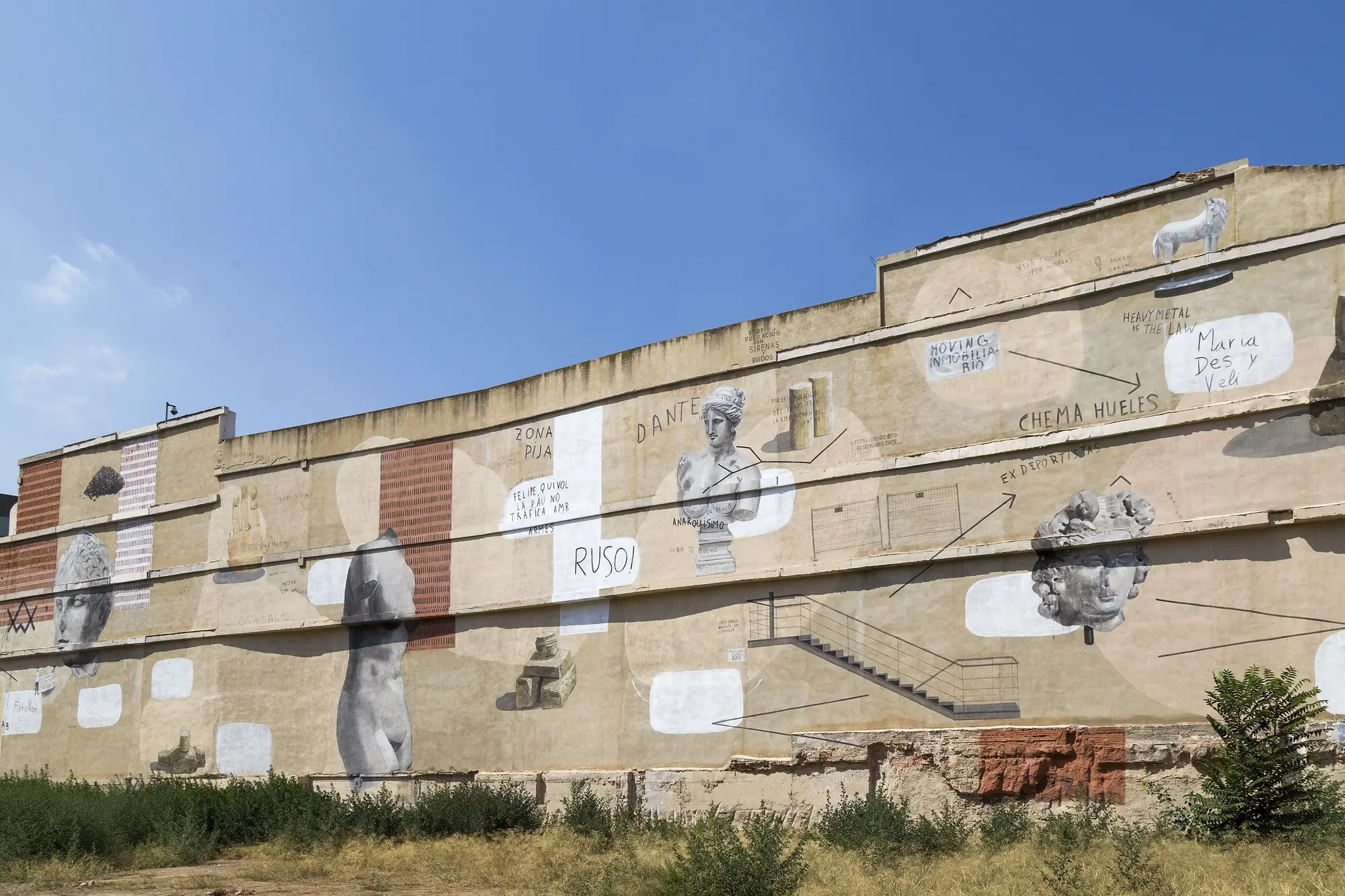 Work by Escif · Wikimedia Commons · IVAMWork by PichiAvo · Official PichiAvo portfolio
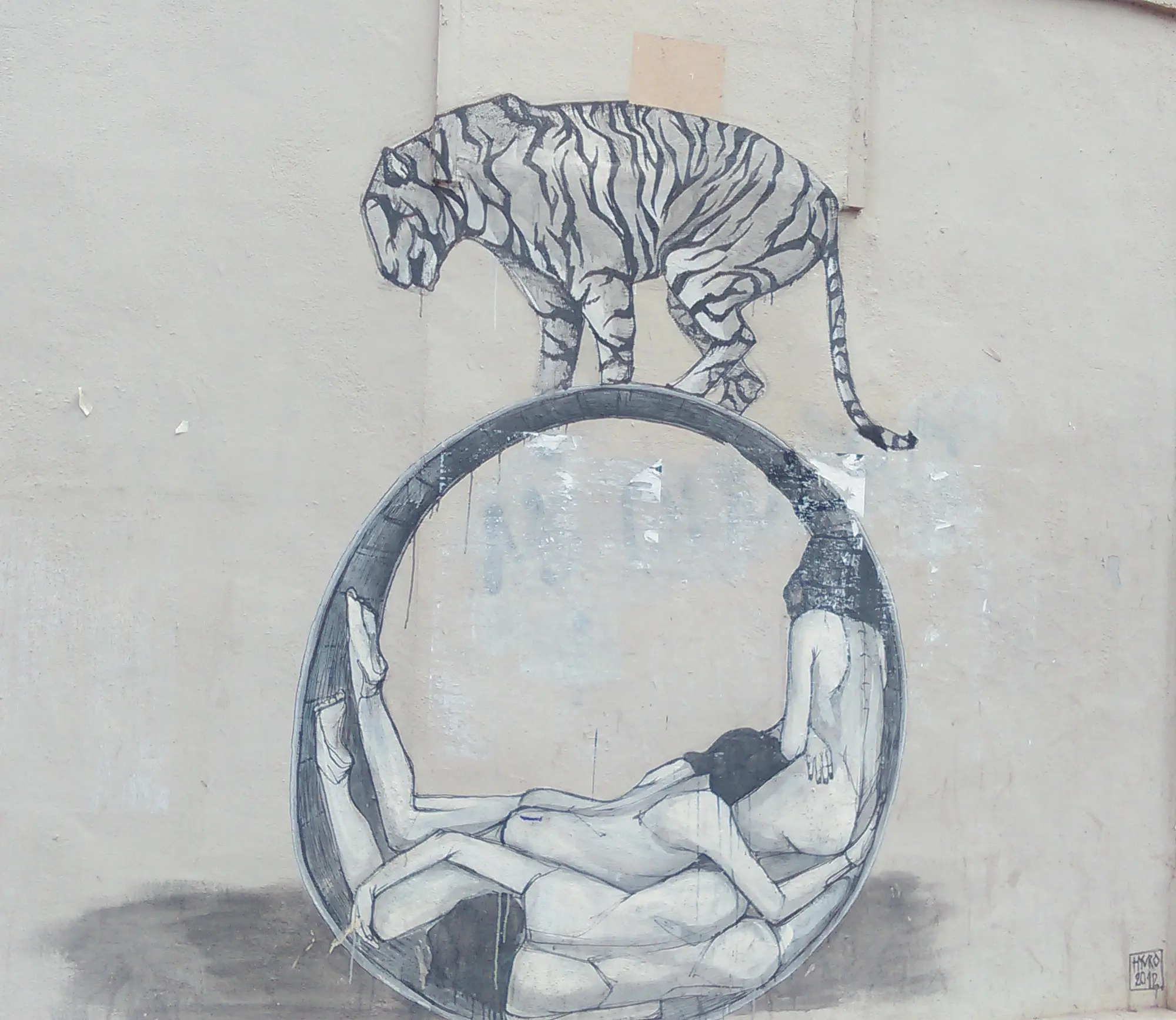 Work by Hyuro · Wikimedia Commons
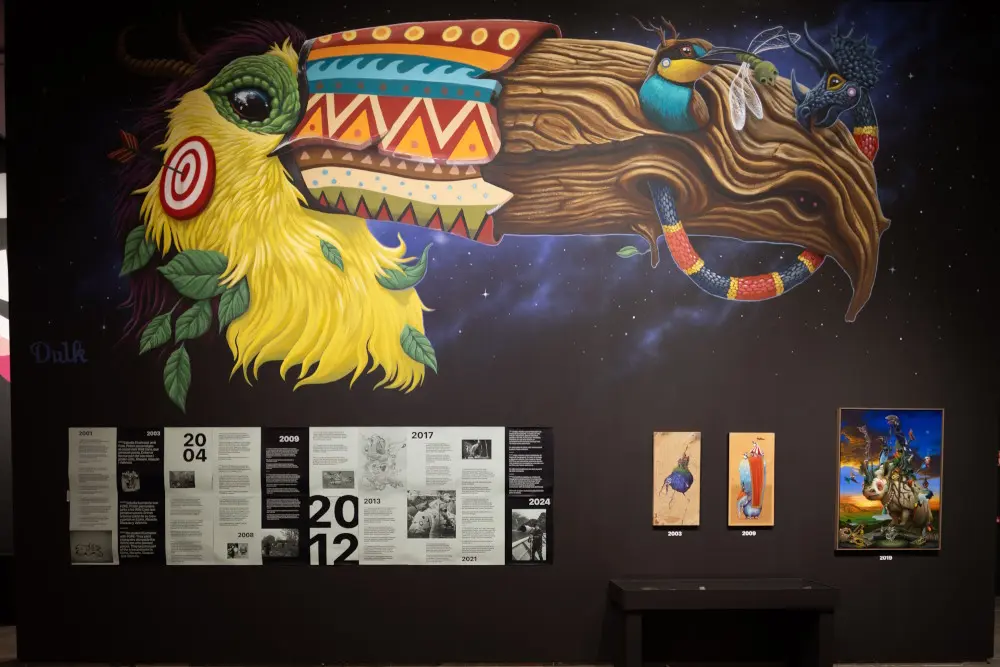 PRINCIPIOS: archive of Valencian urban art · Centre del Carme Cultura Contemporània
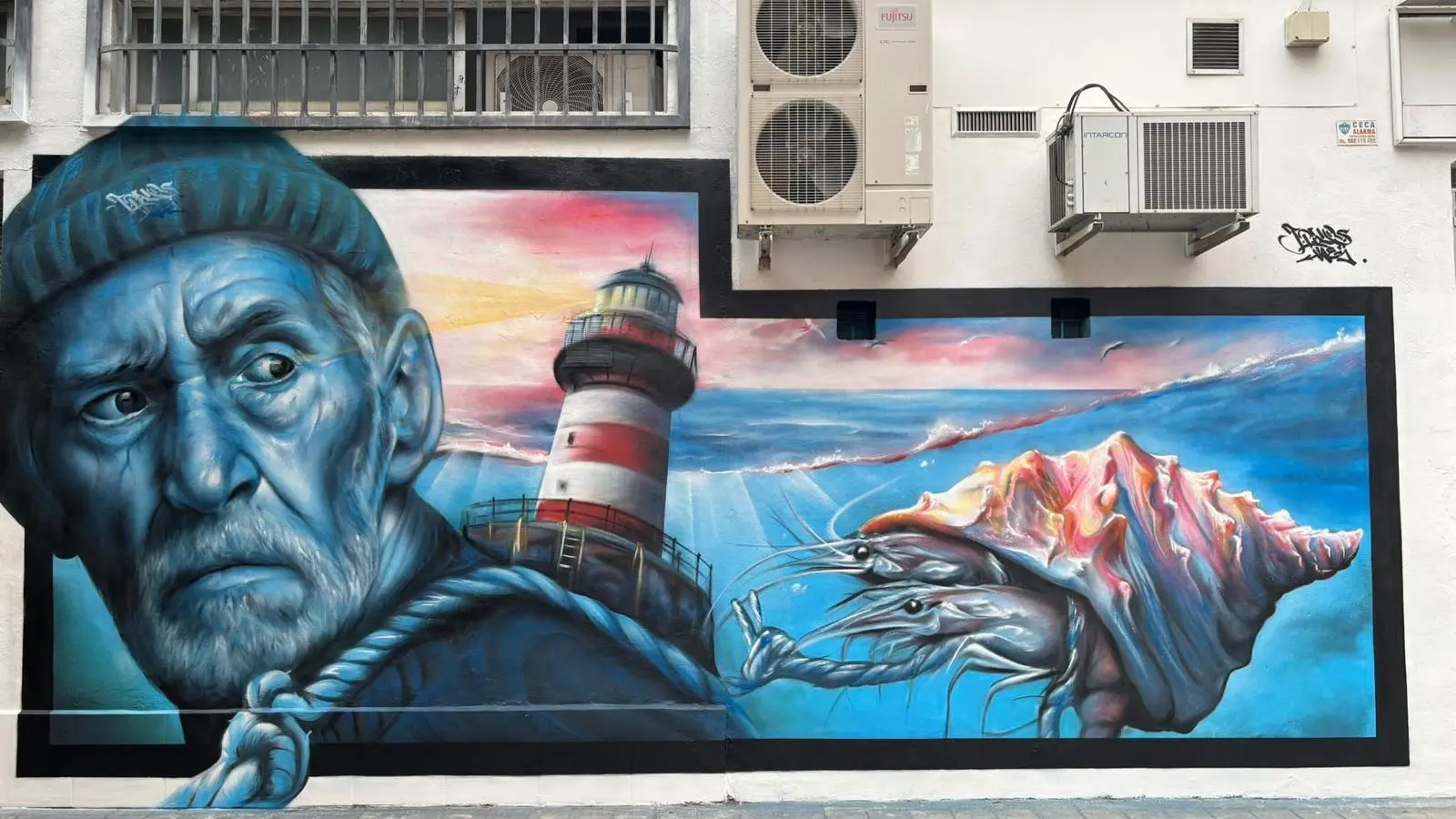 Work by Jacobo Palos · Ajuntament de ValènciaWork by Escif · Wikimedia Commons · IVAMWork by Sandra Betancort · Visit València
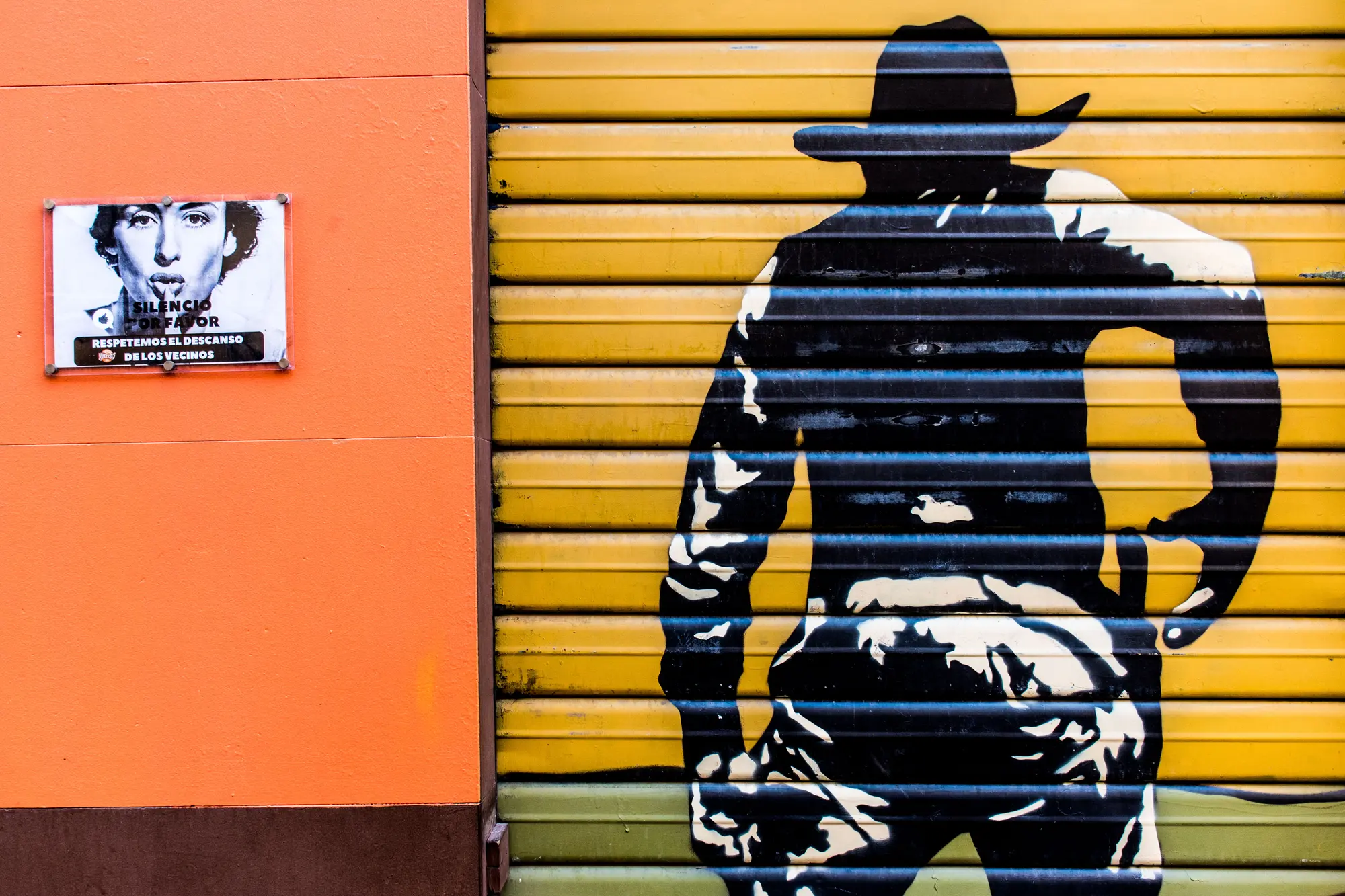 Don’t shoot. People are sleeping! · Wikimedia Commons