Begin with the surface
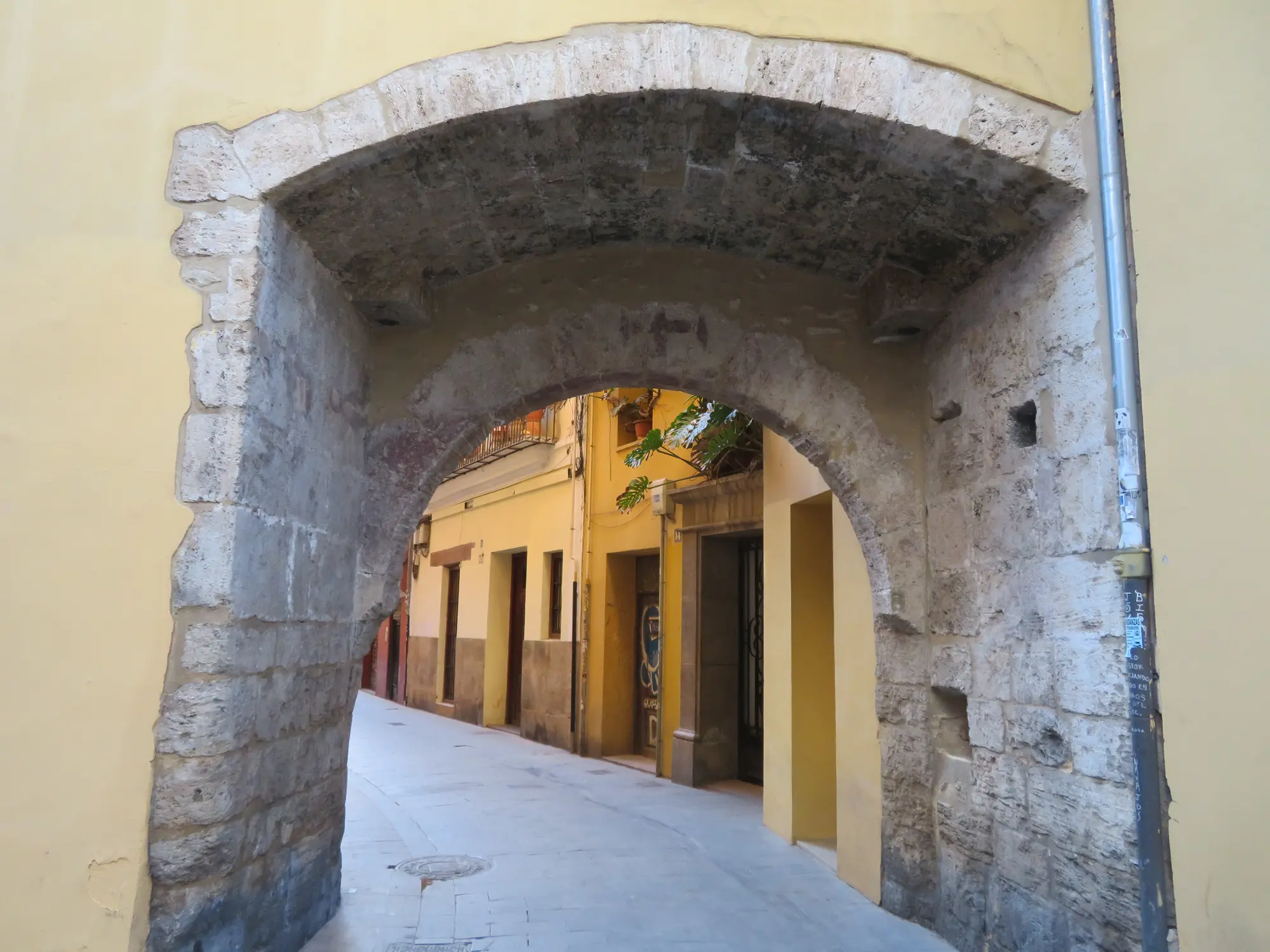
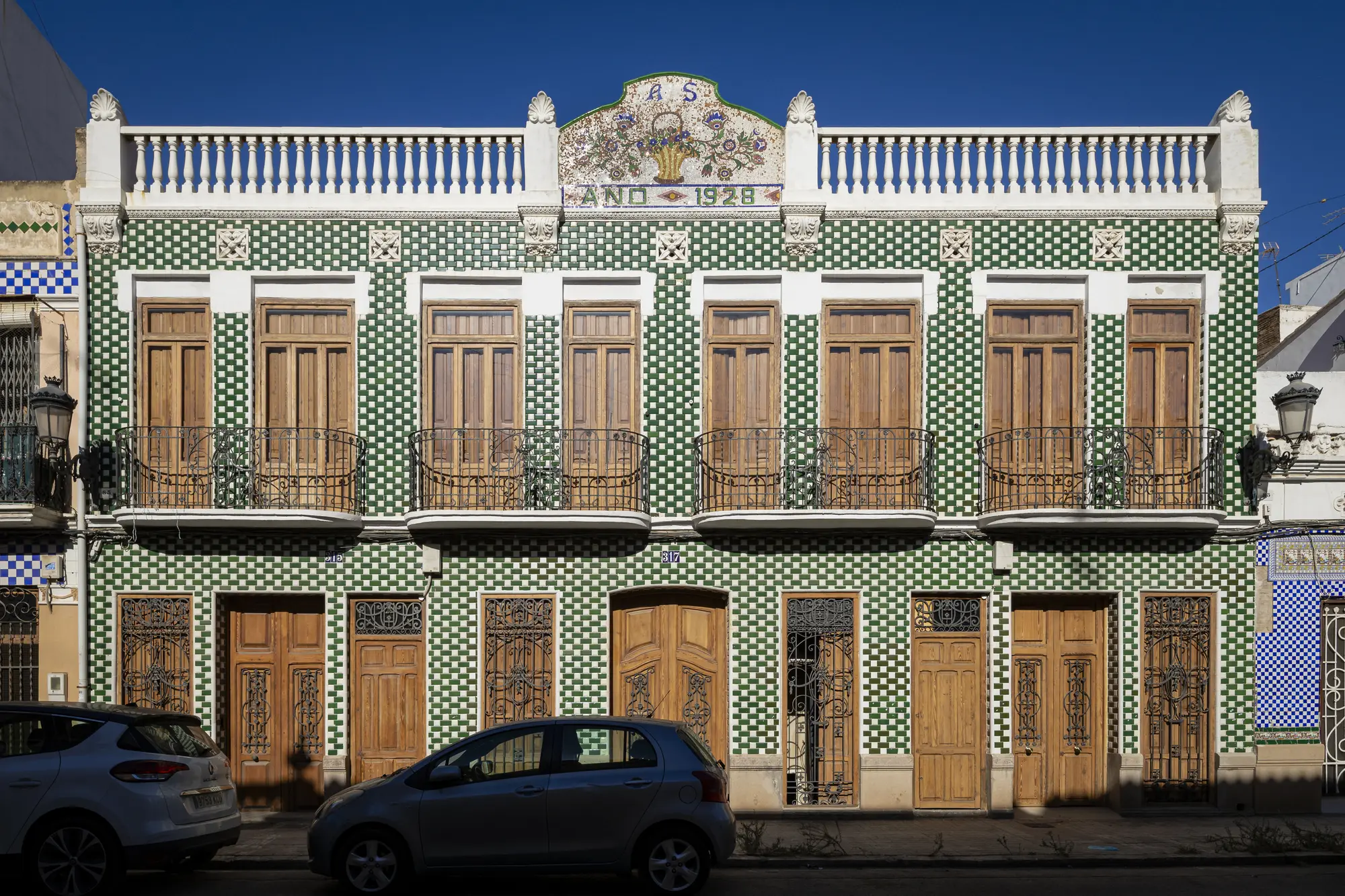
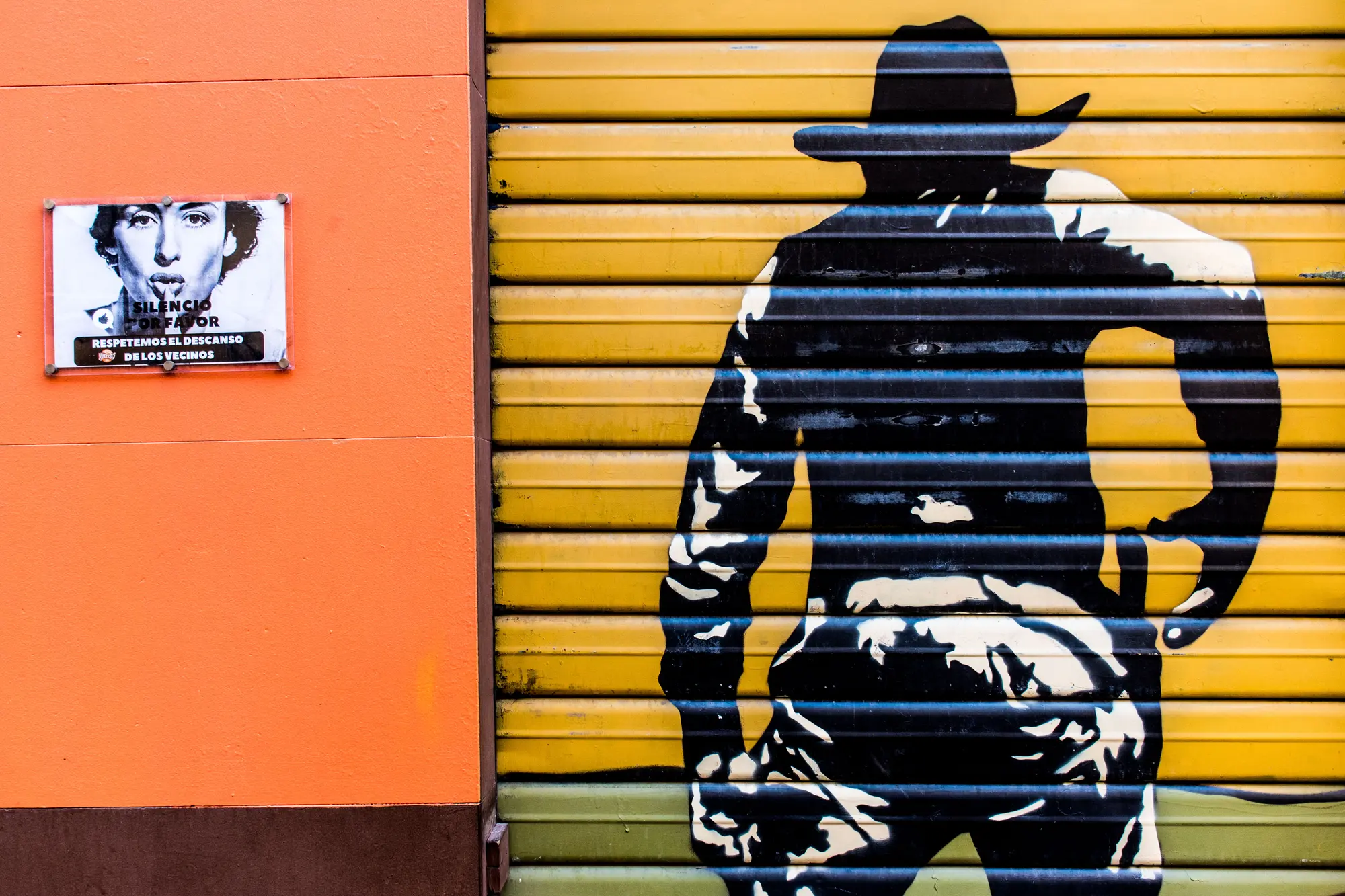
Before asking who made an intervention, notice what it was made on. Stone, render, metal shutters, tile and temporary hoardings carry different traces and impose different limits. The surface affects what can be painted, pasted, scratched, removed or covered.
Look at the edges. A clean rectangle can reveal a recent repaint; a scar in the render can outlast an image; a shutter changes between open and closed. The wall is not a blank support but part of the evidence.
Read the layers
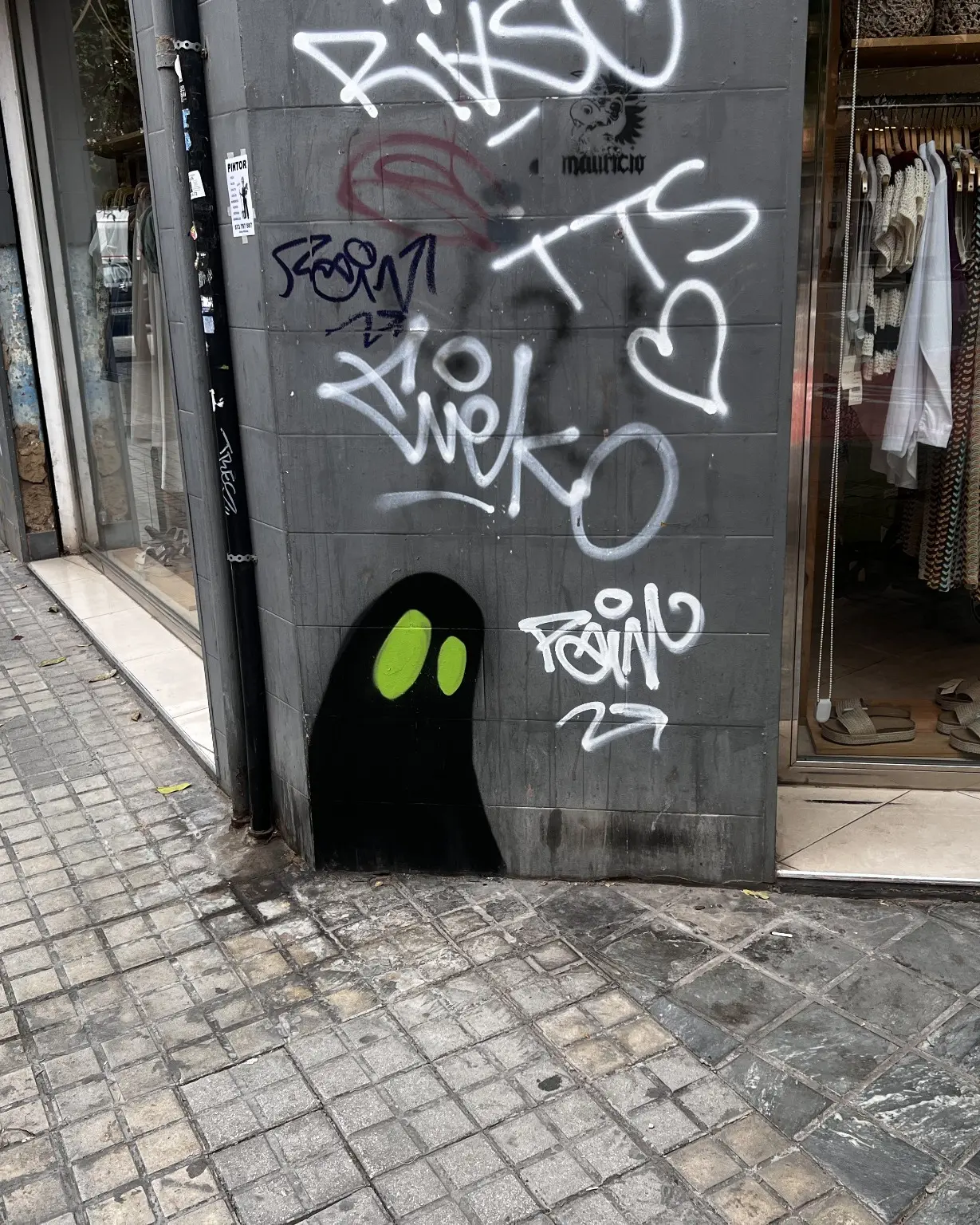
Urban surfaces accumulate decisions. One mark may cover another, sit beside it, frame it or use a surviving fragment as part of a new composition. Repair, cleaning and weather add further layers that no single artist controls.
Instead of treating overlap only as damage, ask what sequence is visible. Which element arrived first? Where does the newer work respect an edge, and where does it ignore it? The relationship between layers can be as revealing as either image in isolation.
Notice scale, distance and repetition
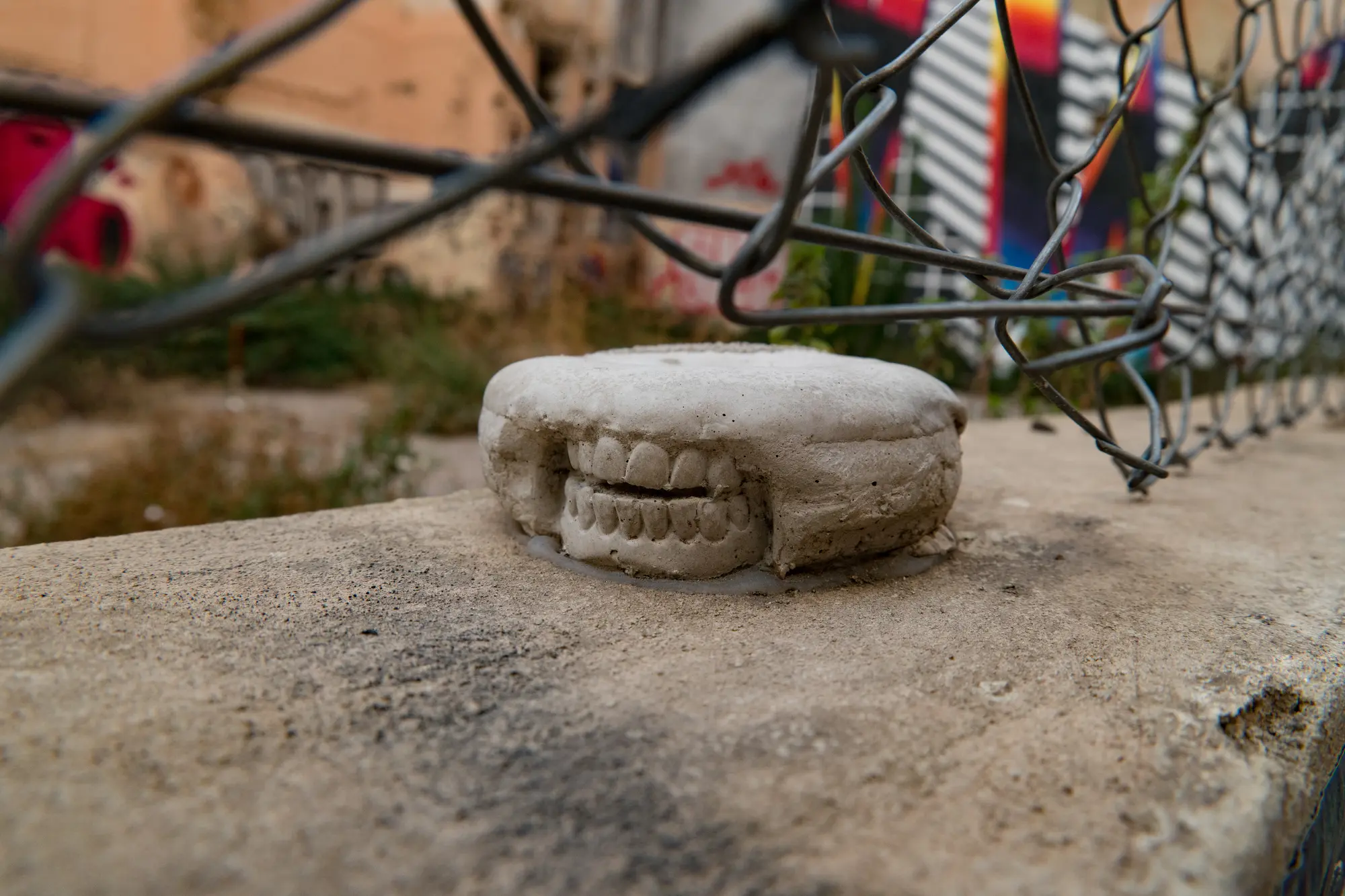
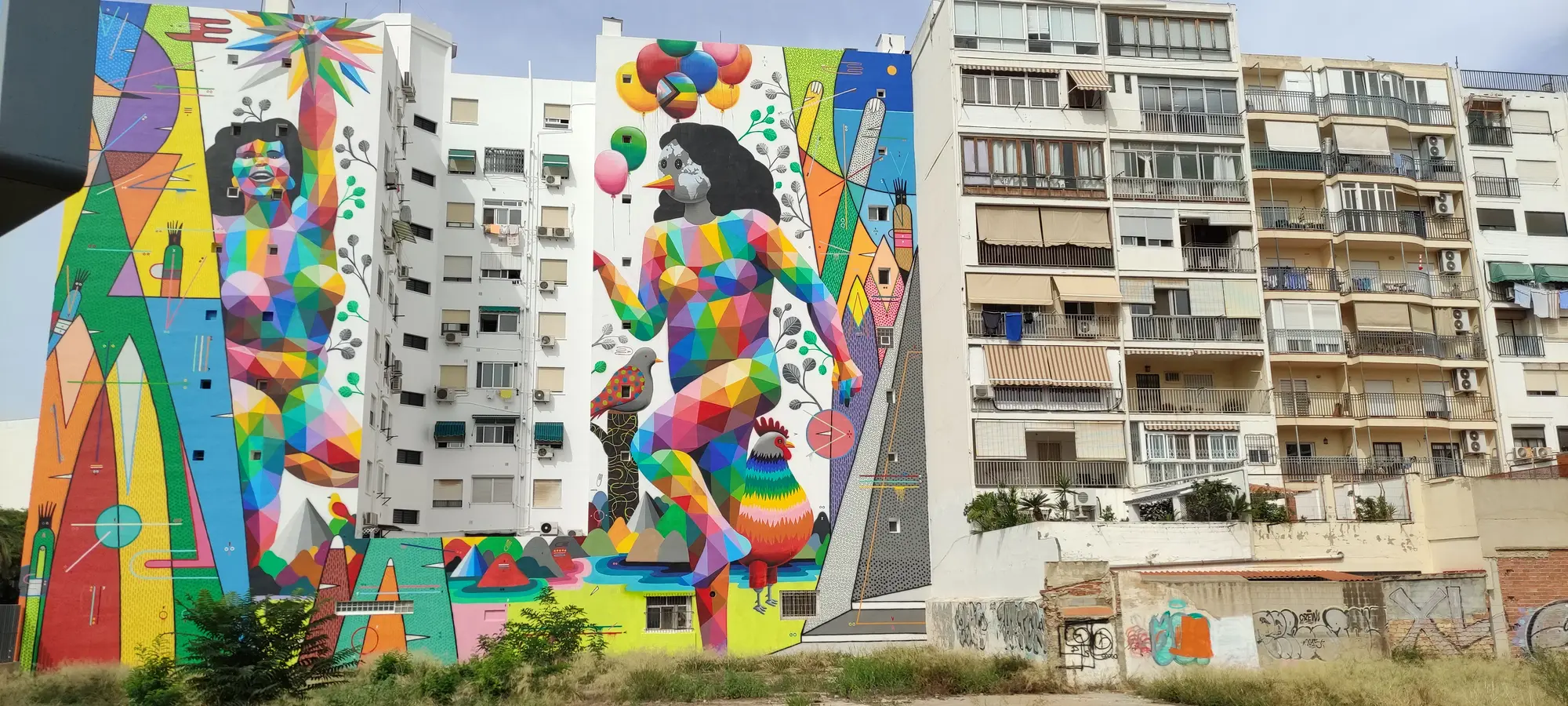
A large mural may organise an entire street view, while a small recurring character builds recognition across several encounters. Size changes how a work is seen, but it does not determine its cultural importance or the skill required to make it.
Move closer, step back and look around the corner. Repetition may matter more than monumentality: the return of a figure, colour or letterform can connect otherwise unrelated surfaces and make memory part of the walk.
Separate recognition from identification
Recognising a familiar shape is not the same as proving authorship. Artists repeat habits, but visual languages can be shared, borrowed, taught or imitated. A signature, official post or documented project can strengthen an attribution; resemblance alone cannot complete it.
Keep observation and conclusion separate. Write down what is visible first, then test a possible identification against reliable examples. Leaving a work unnamed is more accurate than turning a plausible guess into a searchable fact.
Notice what the street is doing
Street art is encountered inside ordinary life. Entrances open, businesses trade, residents pass, traffic interrupts a sightline and a quiet wall changes character at different times of day. Those conditions are not background decoration; they shape the encounter.
Look around the work as well as at it. Ask how the image relates to architecture, nearby marks and the use of the street. Photograph without blocking doors, and avoid turning residents into scenery for an image they did not choose to enter.
Treat photographs as dated evidence
A photograph can establish that a work was visible at a recorded moment. It cannot show that the wall looks the same now. Date, area, photographer, source and any known attribution turn an attractive image into a more useful record.
Return visits are valuable precisely because the street may differ. Compare what survives, what has been covered and what has appeared nearby. Leave room for uncertainty: a changing view is not a failure of the walk but part of what the street can teach.
Field note: Read the street in sequence: surface, layers, scale, repetition, context and evidence. Identification can come later—and sometimes the honest conclusion is that it remains unknown.
Method and sources
Related reading