Art and city overlap
Historic fabric, neighbourhood walls and contemporary interventions create a layered public record.
Independent Valencia street art guide
Explore Valencia street art through neighbourhood guides, authentic artist profiles and sourced stories about graffiti, murals and a city whose walls keep changing.
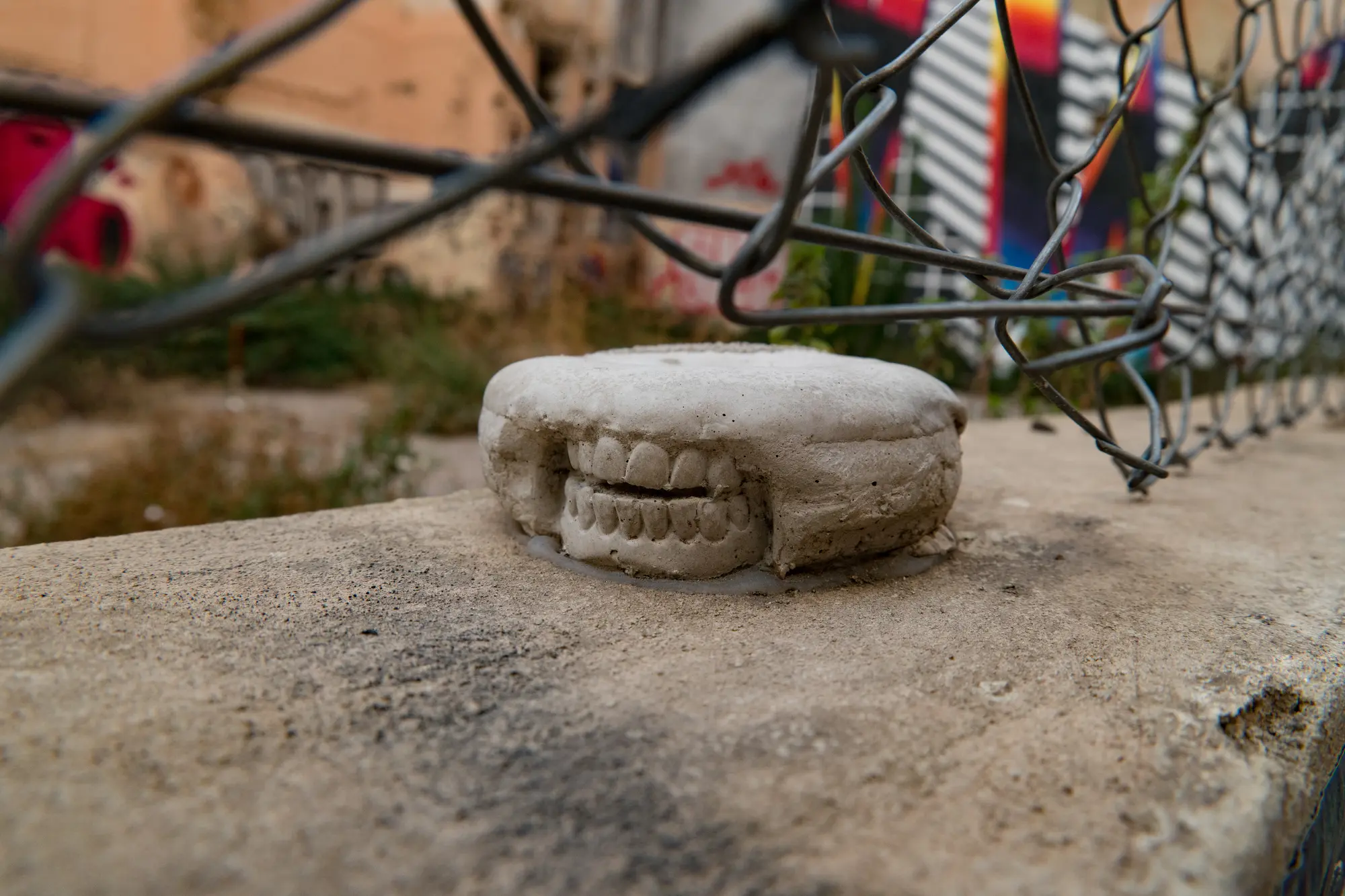 VSA / Archive image
Plan an independent visit
Valencia’s street art is spread across neighbourhoods rather than contained in one permanent outdoor gallery. El Carmen is the most immediate starting point for a first walk, while El Cabanyal and Russafa place murals, graffiti and smaller interventions within very different architectural settings.
Use this guide to choose an area, open a self-guided route and recognise artists connected with the city. Every photograph documents a particular moment: walls can be repainted, works can disappear and a return visit may reveal a different Valencia.
Why Valencia deserves a closer look
The argument is not a trophy or an official ranking. It is an editorial case built from the density of visual languages, active local practice, international connections and the way work sits inside everyday streets.
Historic fabric, neighbourhood walls and contemporary interventions create a layered public record.
Writing, stencils, characters and small graphic gestures matter alongside large commissioned works.
Surfaces change, pieces disappear and new work alters how a familiar street can be read.
More than murals
These categories are lenses, not rigid boxes. The same artist, wall or neighbourhood can bring several practices into contact.
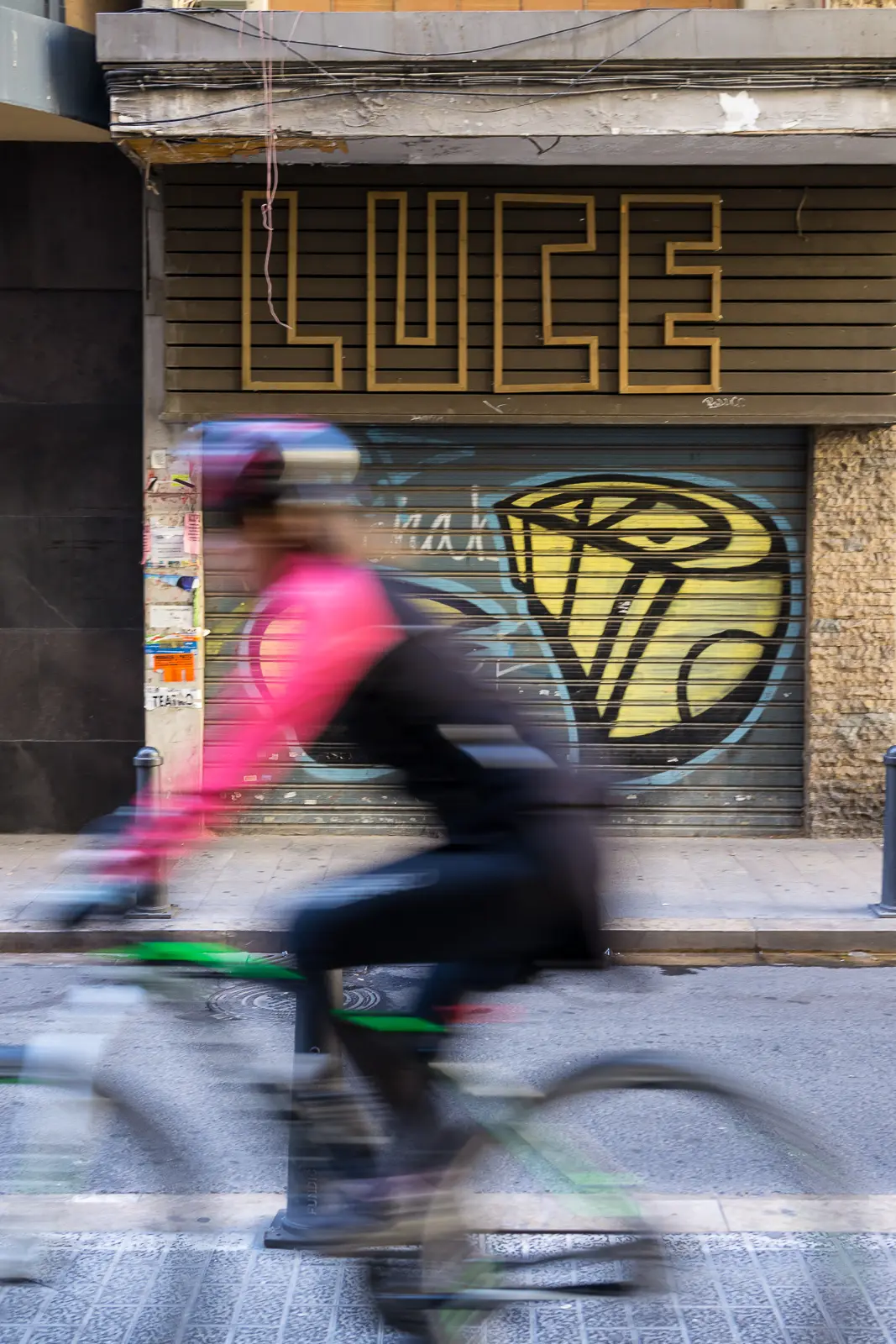
Graffiti writing is part of the scene itself—not merely a historical prelude to muralism.
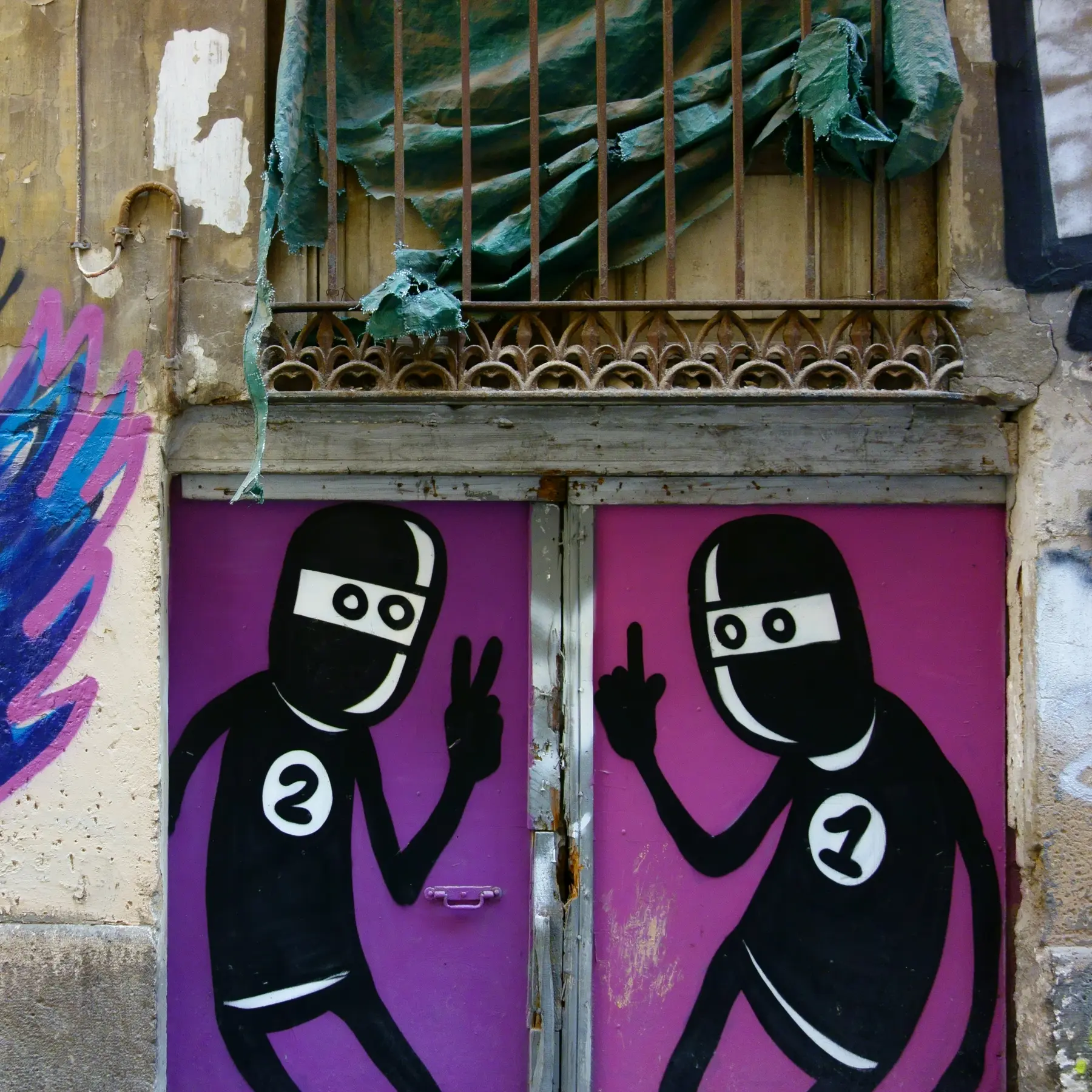
Repeated figures and compact visual marks build familiarity across different streets and surfaces.
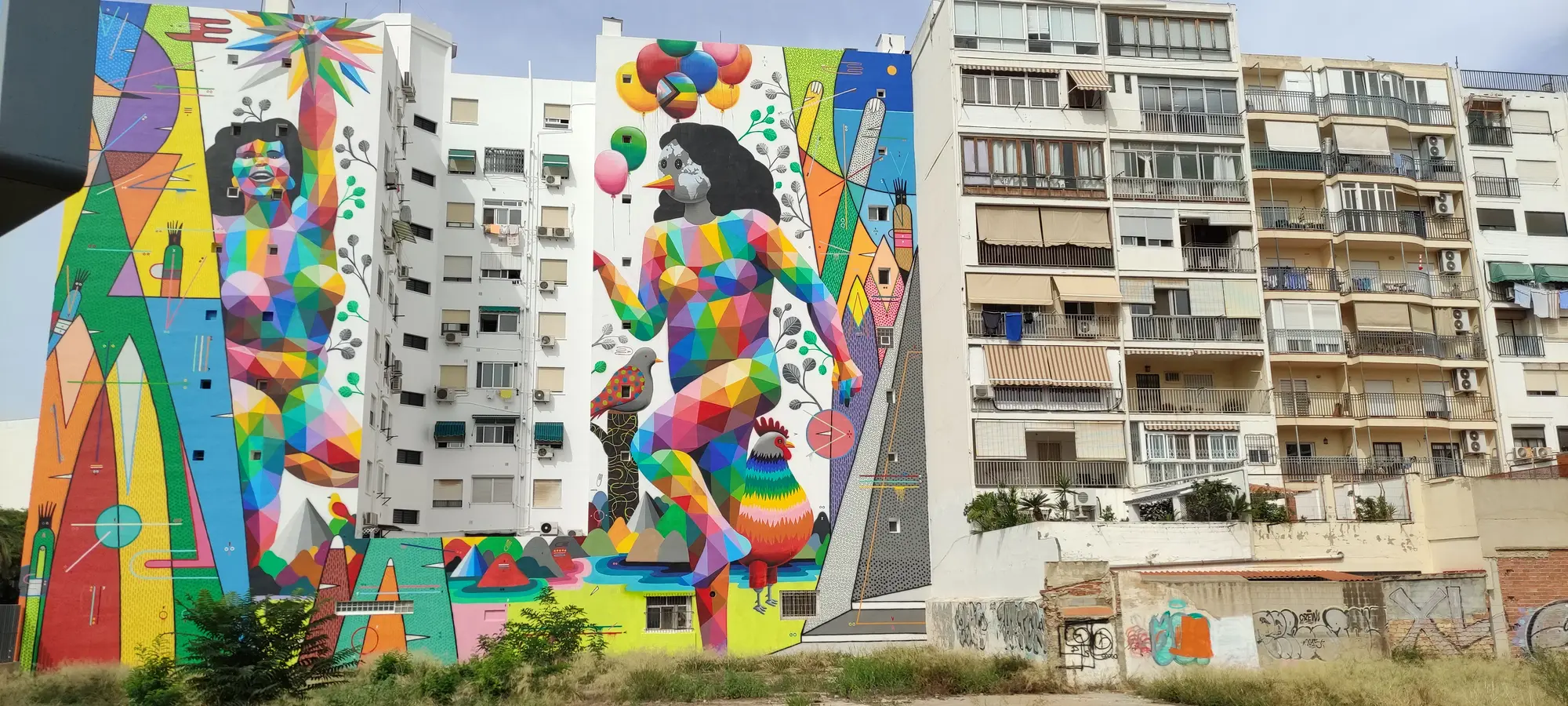
Large works change the rhythm of a street, but scale alone does not define the city’s visual culture.
Explore Valencia, one neighbourhood at a time
Use the area guides as an editorial map. Begin in El Carmen or El Cabanyal, then look beyond individual works and build your own walk through a changing city.
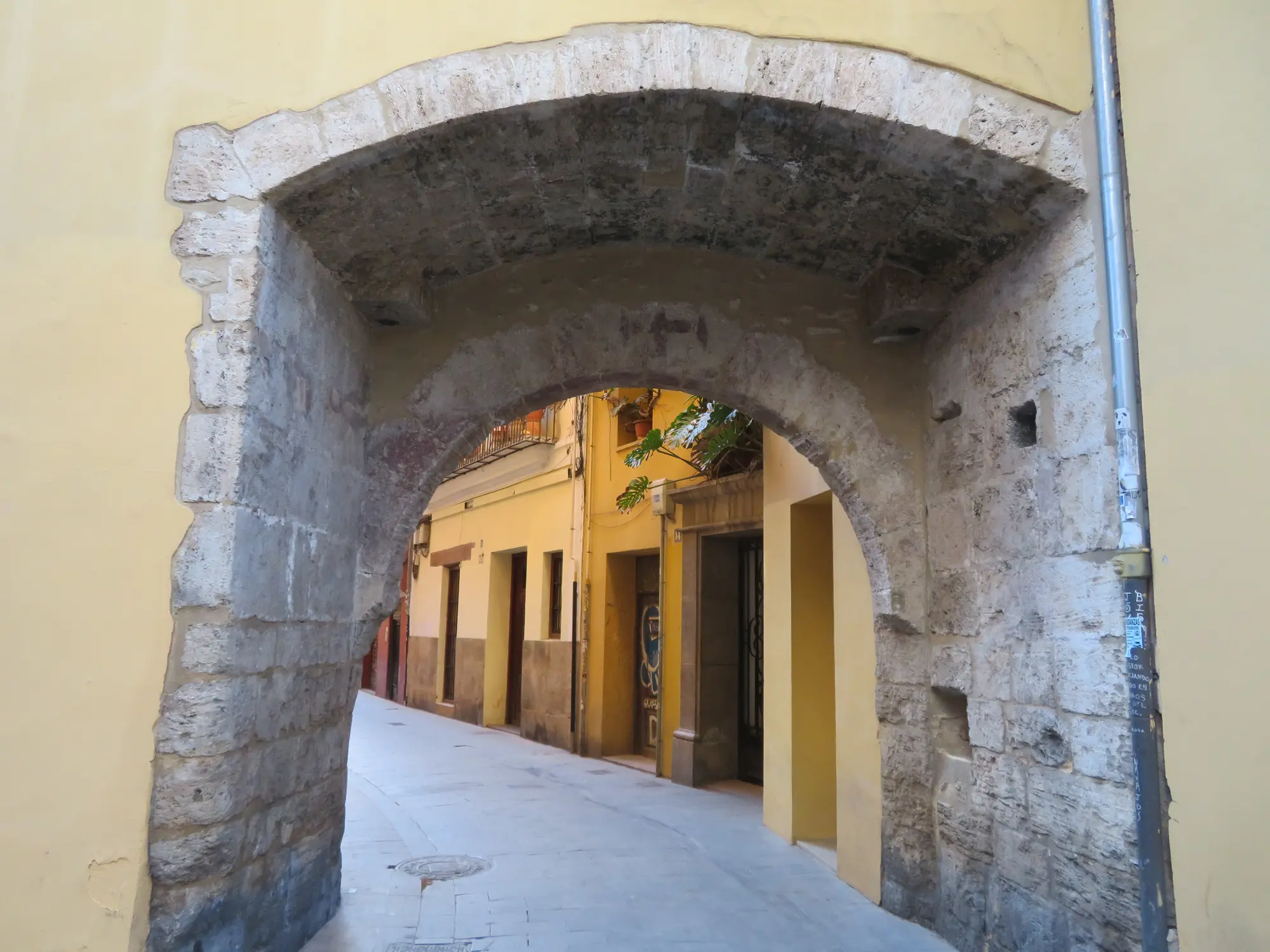 El Carme · Wikimedia Commons
El Carmen, known locally as El Carme, is a dense historic quarter where narrow streets and layered walls reward slow looking.
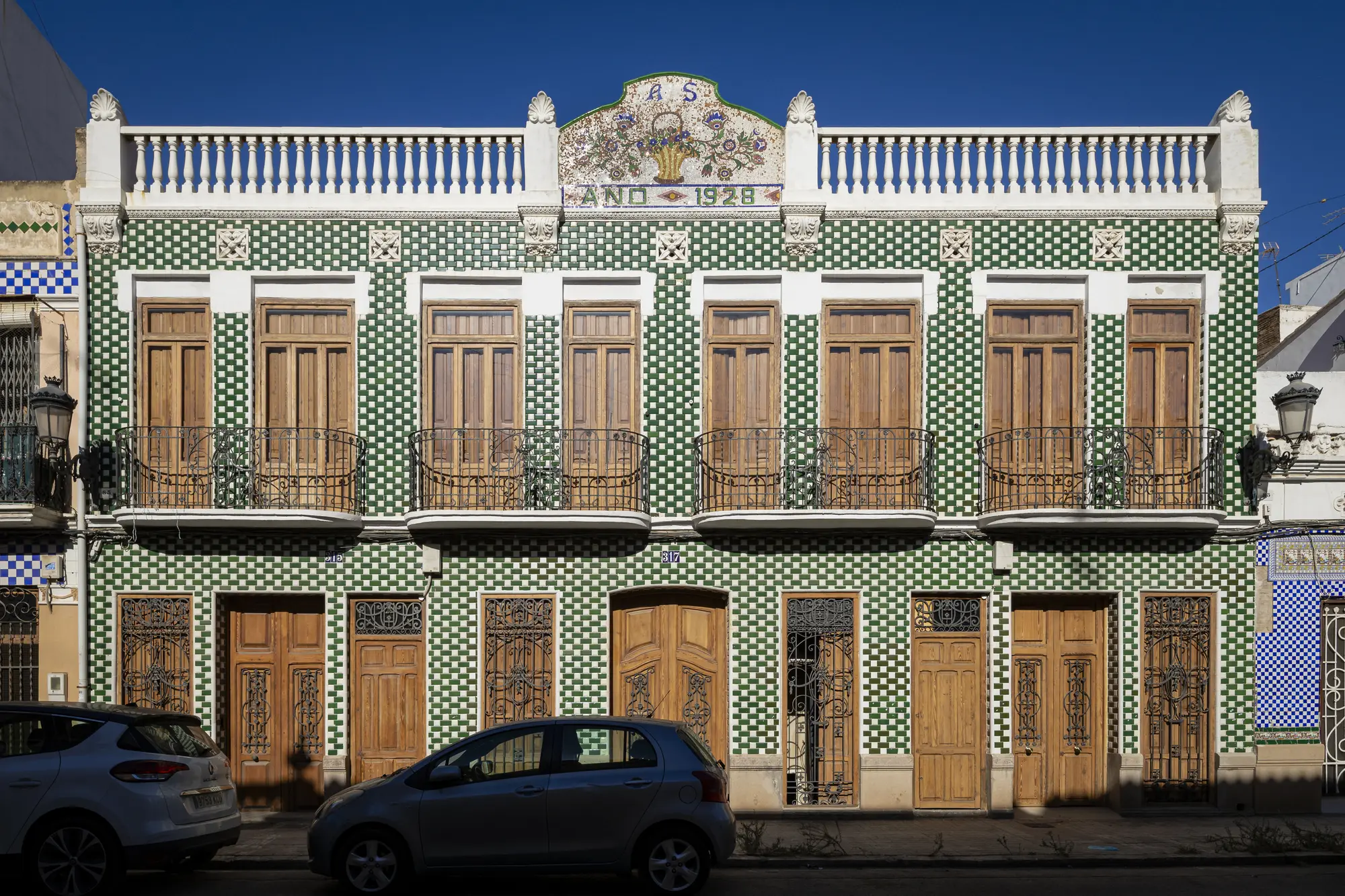 Cabanyal–Canyamelar · Wikimedia Commons
El Cabanyal–El Canyamelar is a maritime neighbourhood whose distinctive streets and façades create a different setting for public art.
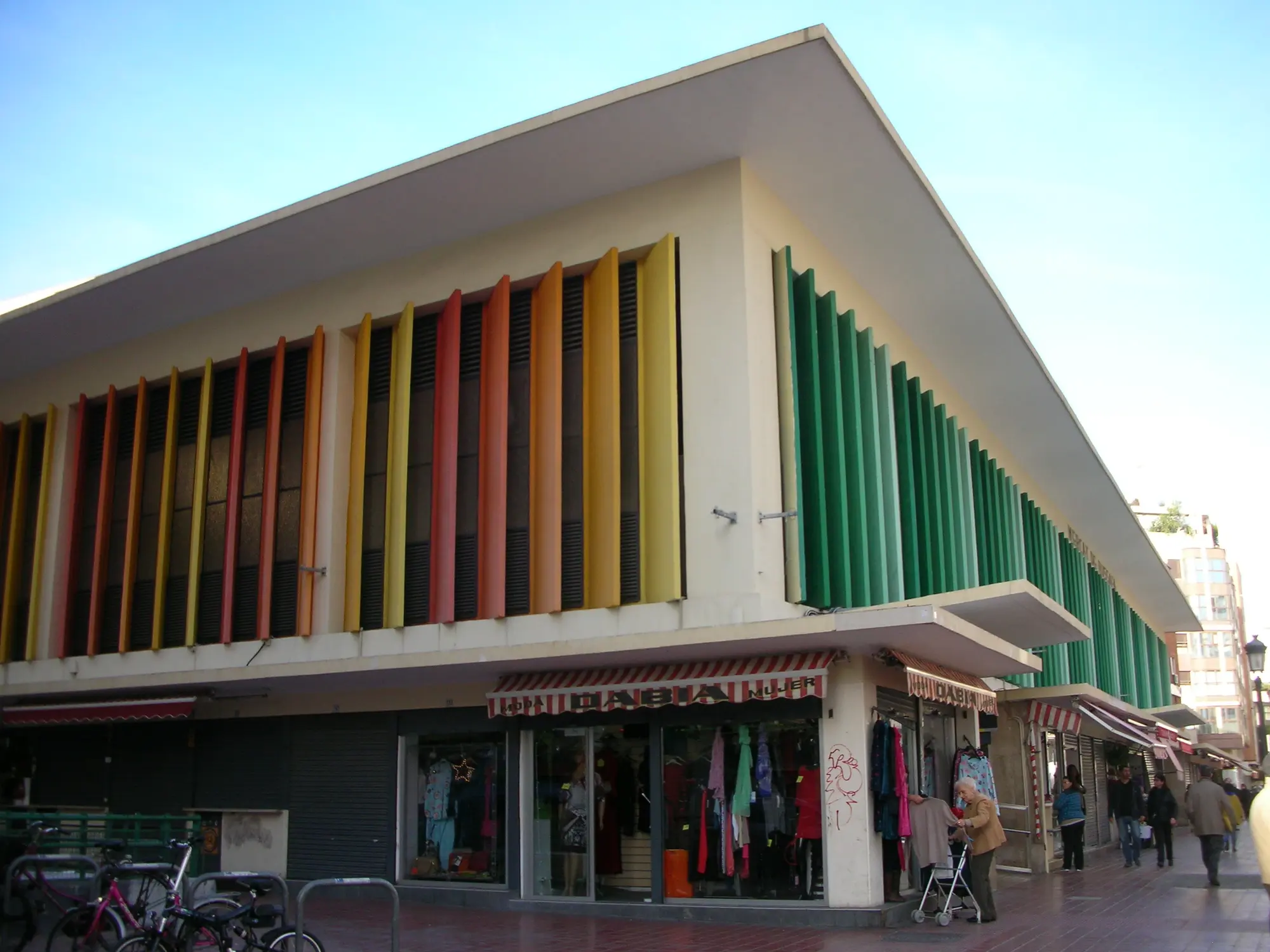 Russafa · Wikimedia Commons
Russafa—widely searched as Ruzafa—is a compact neighbourhood where market streets, shutters, cultural venues and changing walls reward a slower, street-level look.
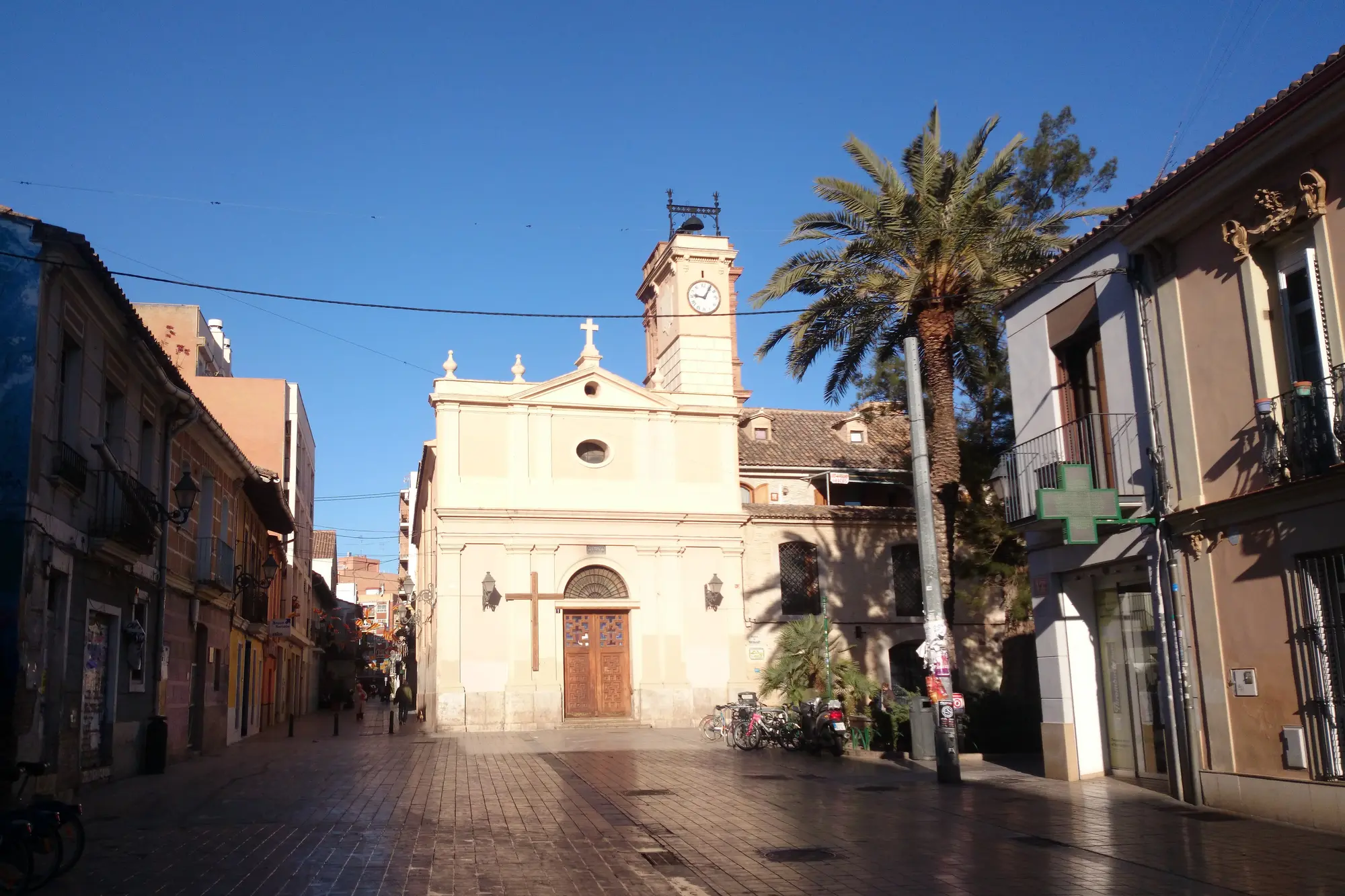 Benimaclet · Wikimedia Commons
Benimaclet keeps the scale of a former village while student life, neighbourhood culture and changing murals give its streets a distinct visual rhythm.
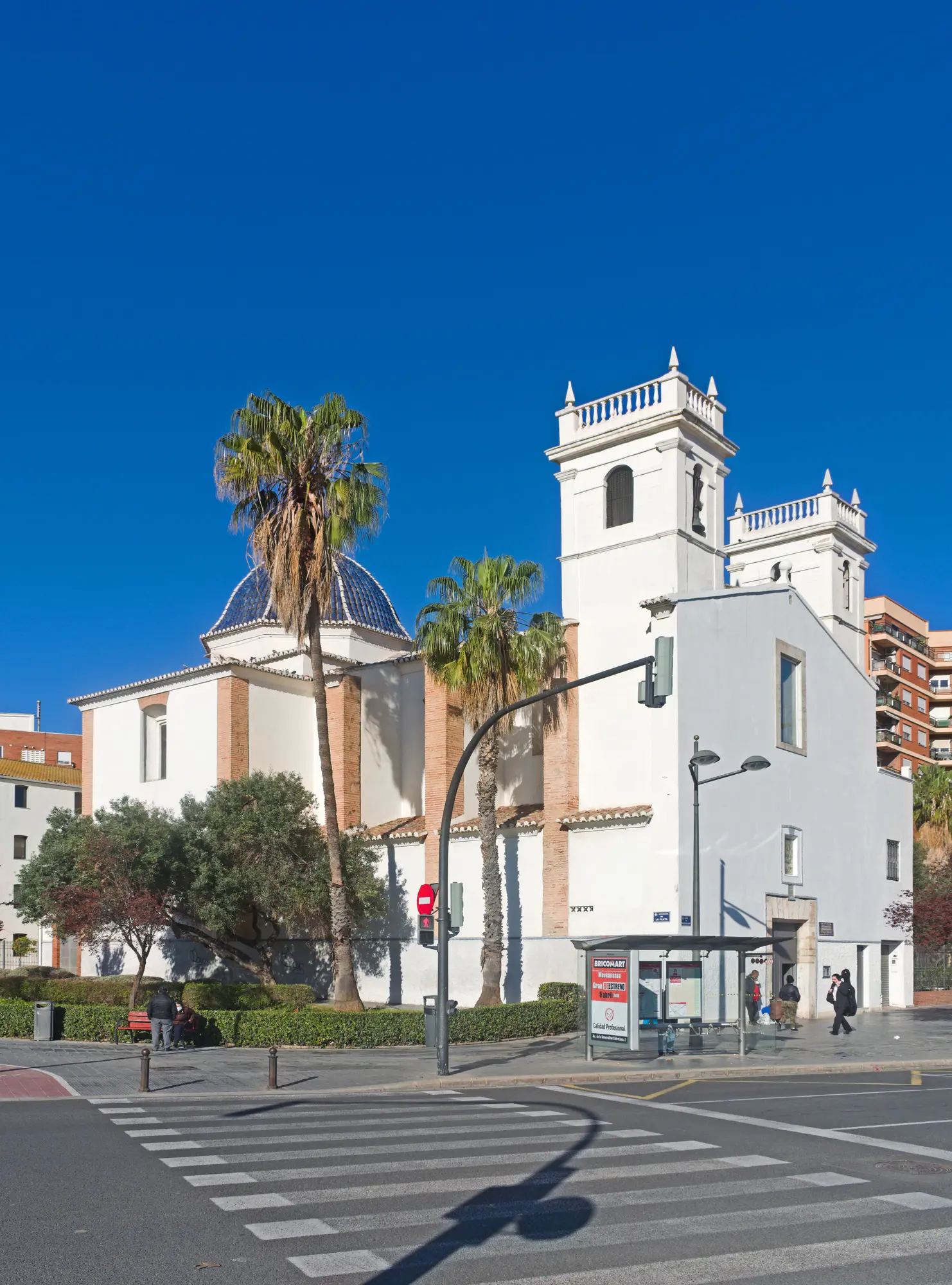 Monteolivete (Montolivet) · Wikimedia Commons
Monteolivete—Montolivet in Valencian—is now a key mural stop after the Liga Nacional de Graffiti brought more than ten live-painted works to its residential streets in 2026.
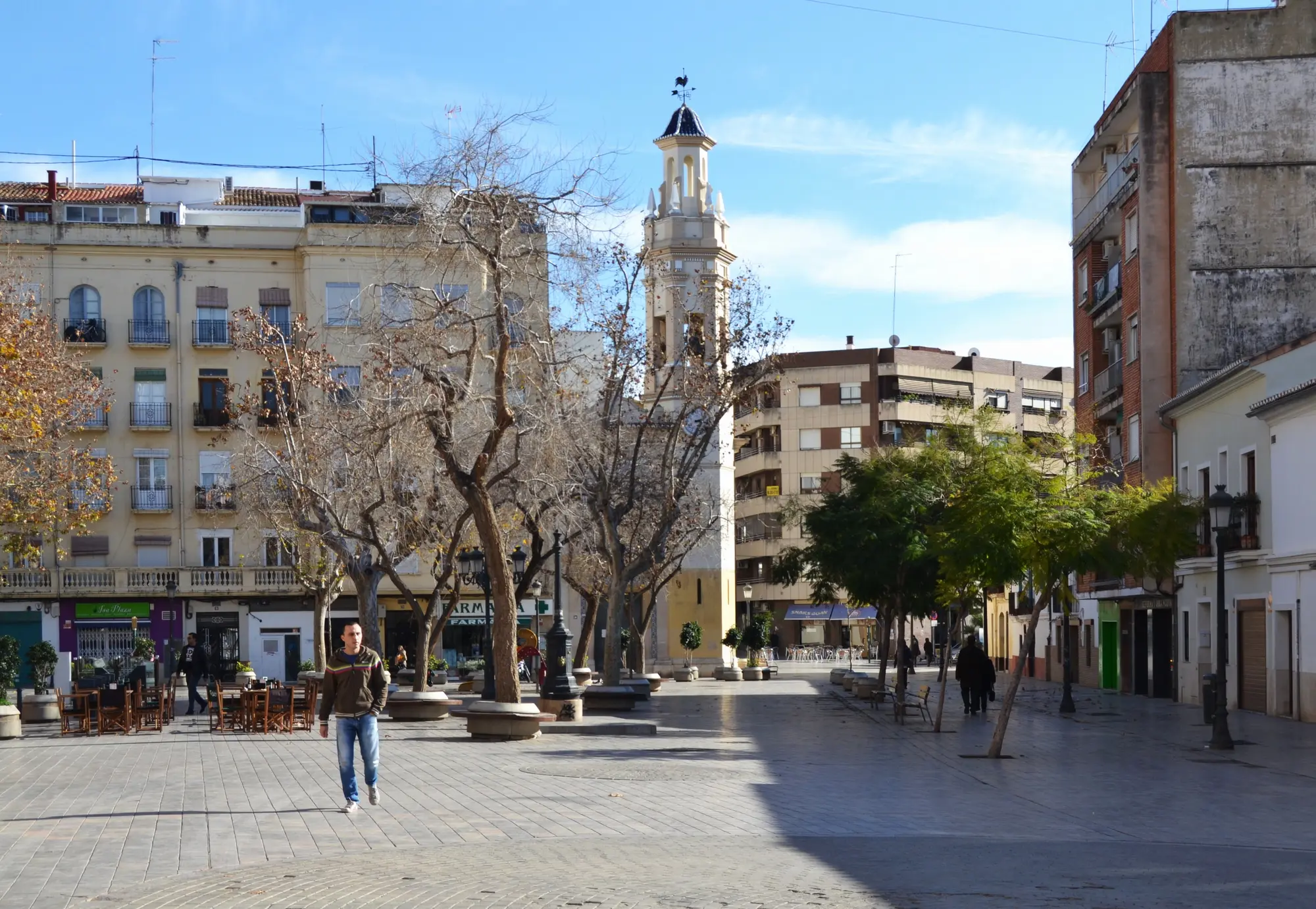 Patraix · Wikimedia Commons
Patraix combines a former village centre around its main square with residential streets and a growing layer of commissioned public art, including Cachetejack’s 2026 ocean mural.
A different city every time.
Return to a familiar street and look again. New interventions, surviving pieces and changing surfaces make each visit a different way of reading the city.
Stories from the scene
The Journal combines sourced routes, field methods and artist research: where to begin, what a dated photograph can prove and how to move through the city without treating it as a backdrop.
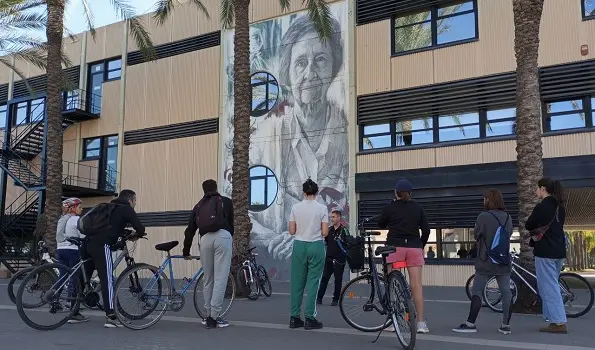 Work by Lula Goce · Universitat Politècnica de València
Dones de Ciència turns walls across Valencia into a distributed public collection: each mural pairs a woman scientist with a woman artist. The official self-guide connects thirteen works through three cycle-friendly itineraries from Torrefiel to Pinedo.
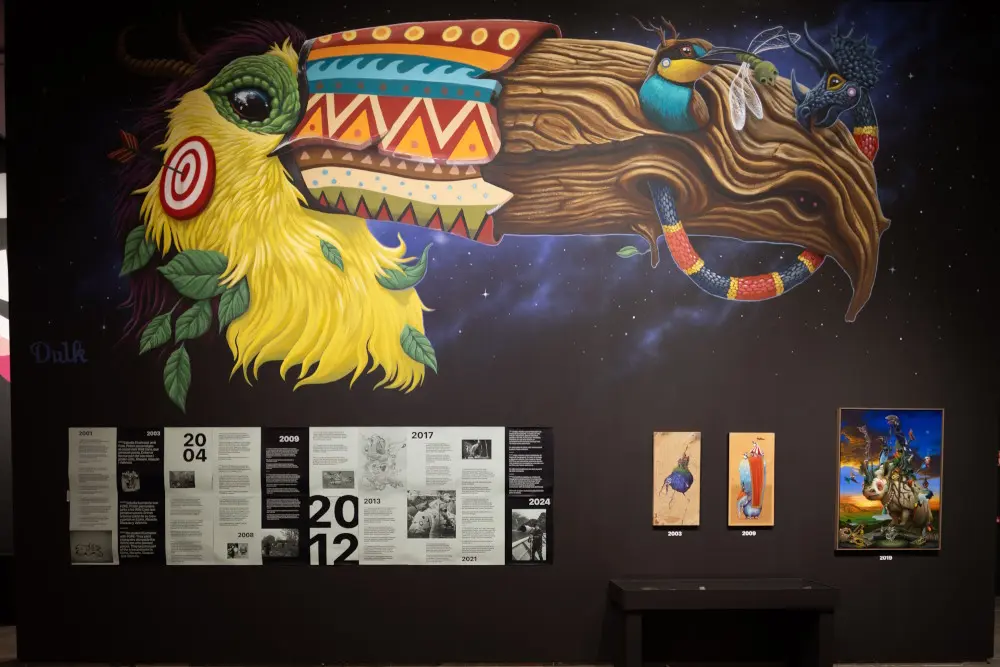 PRINCIPIOS: archive of Valencian urban art · Centre del Carme Cultura Contemporània
Valencia did not become a street-art city through one festival or one famous wall. Its visual culture grew from unauthorised writing, shared crews, illustration, political images, university encounters and a generation that moved from local streets to international projects.
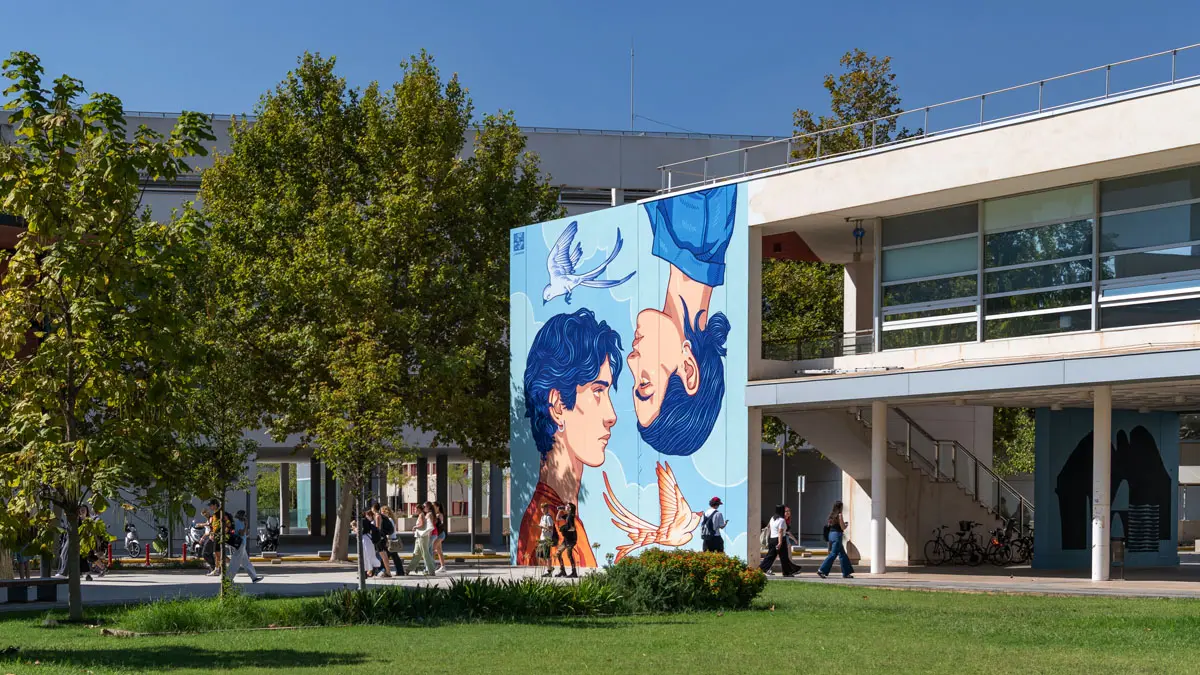 Poliniza Dos 2026 at the Campus de Vera · Universitat Politècnica de València
Poliniza Dos is both a live annual encounter and a changing open-air archive: more than 300 artists from over twenty countries have worked across the Universitat Politècnica de València since 2006.
Discover the artists
Thirty profiles explain how to recognise an artist’s visual language and document a real relationship with Valencia. The directory is not a ranking and expands only after editorial review.
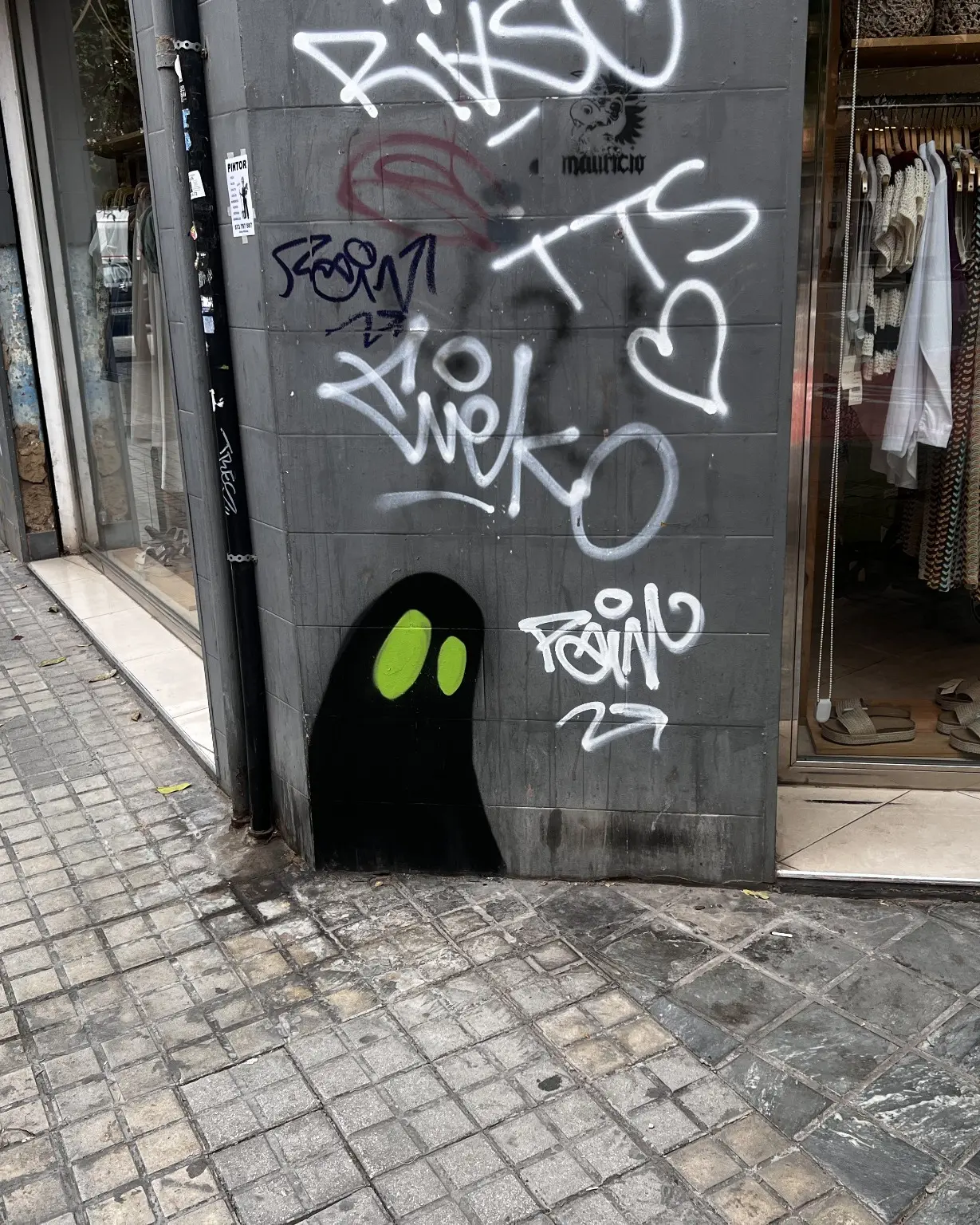 VSA / Featured artist
An anonymous urban-art movement born in Valencia whose mouthless black figure and green eyes turn repetition, participation and public encounter into a campaign for mental-health awareness.
View artist profilePractical answers
A concise starting point for planning an independent street art walk in Valencia.
Begin in El Carmen for a dense, walkable mix of murals, graffiti writing, stencils and recurring characters. El Cabanyal and Russafa offer contrasting neighbourhood settings, while the Abstracte route follows interventions through the Túria Garden.
El Carmen is the strongest first choice because works appear across a compact historic street network. There is no fixed collection, however, and the most rewarding area depends on whether you want density, neighbourhood architecture or a longer curated route.
Yes. The Explore section brings together neighbourhood guides and links to practical maps and self-guided routes. Treat every map as orientation rather than a permanent inventory because public works can change or disappear.
Yes. The El Carmen walking route is designed for an independent visit and uses stable landmarks as anchors, leaving the changing work between them as part of the discovery.
The city is associated with distinct visual languages from artists including Escif, David de Limón, Julieta XLF, Deih, Dulk, Felipe Pantone, PichiAvo and La So0mbra. The artist directory documents each connection rather than presenting a ranking.