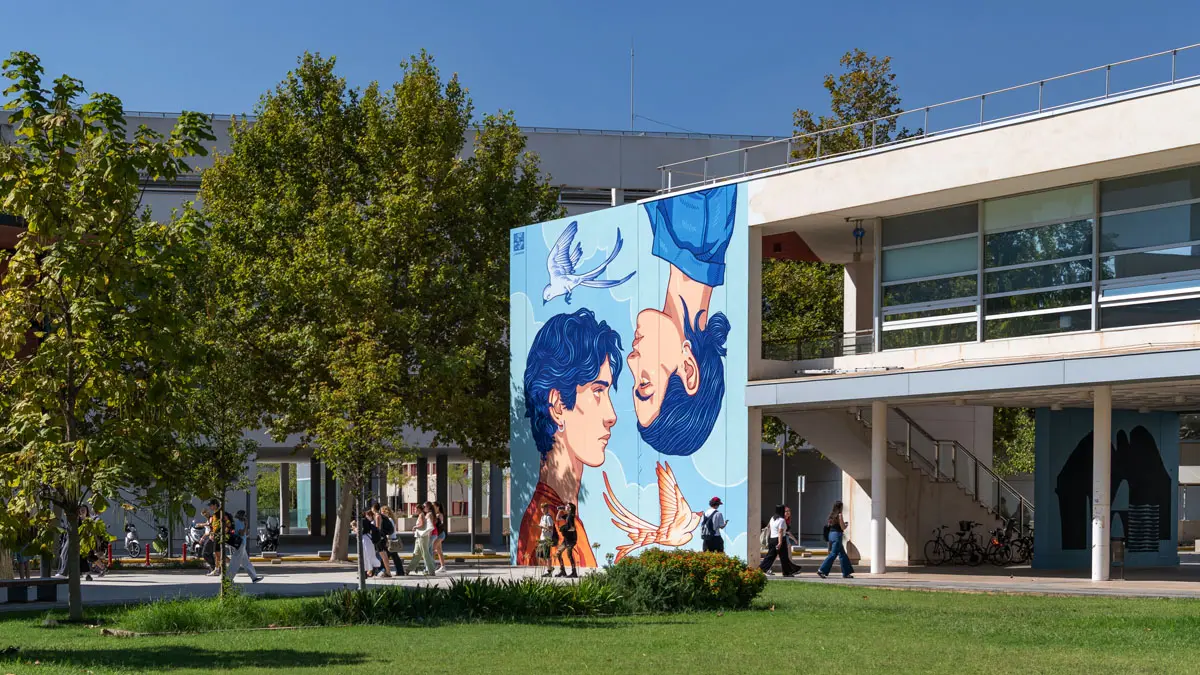
An urban-art encounter inside a university
Poliniza Dos began in April 2006 to bring together two worlds that were then less accustomed to sharing space: the university and urban art. The annual encounter turns walls and other sites across the Universitat Politècnica de València’s Campus de Vera into places for live production, discussion and artistic research.
The official UPV account records more than 300 participating artists from over twenty countries during its first two decades. That continuity matters: Poliniza Dos is not a single mural stop, but a dated sequence of interventions through which changing ideas about public art can be read.
The 2026 edition: beyond the flat wall
The twenty-first edition took place from 11 to 15 May 2026 and focused on spatiality. Its premise deliberately expanded beyond the mural as a pictorial surface, asking how artistic research could construct spaces with architectural and discursive meaning.
Lisbon was the invited city, represented by Os Espacialistas. The selected programme also included Malditas Ternura, Manolo Mesa, Giulio Vesprini, Alexandros Simopoulos and Cristina Reyes, with an UPV accessit awarded to Valencia artist J. Warx. Together, the line-up moved between abstraction, narrative painting, objects, collective memory and relationships between art and architecture.
A campus that works as a changing archive
The useful way to visit Poliniza Dos outside event week is to treat the campus as an open-air archive rather than a fixed exhibition. Earlier editions remain documented in the official historical record, while surviving interventions can be encountered among teaching buildings, gardens and everyday university circulation.
Not every work remains, and those that do may have weathered, been altered or disappeared behind later changes. The archive establishes authorship and edition; it does not guarantee present condition. That gap between documentation and the wall today is part of reading urban art responsibly.
A site of memory as well as production
Poliniza Dos has also used the encounter to recognise artists connected with Valencia. Its 2021 special edition was dedicated to Hyuro, the Argentine-born artist who made Valencia her home and whose restrained figurative language became internationally influential.
That commemorative role gives the campus another function: it does not only host new work, but helps place local urban-art histories inside a wider international conversation. The site’s meaning therefore comes from editions and relationships, not only from whichever mural is most visually prominent on a given day.
How to visit Poliniza Dos independently
Begin at the Rectorat, building 3A, on the Campus de Vera. From there, move through the central campus on foot and use the official edition archive to compare names, years and locations. The UPV is an active place of study and work, so keep entrances and circulation routes clear and avoid interrupting classes or photographing people without permission.
Campus de Vera lies north-east of central Valencia and is served by tram, bus and bicycle routes. Allow 60 to 90 minutes for an exploratory visit, preferably in daylight. Look beyond large façades: the encounter’s recent direction includes spatial, architectural and temporary practices that may not resemble a conventional mural.
Field note: Visit Poliniza Dos as a layered campus archive: start at the Rectorat, use the official history to verify editions and expect the present-day walls to differ from the photographic record.
Method and sources
- Universitat Politècnica de València: Poliniza Dos edition archive (opens in a new tab)
- Universitat Politècnica de València: Poliniza Dos Urban Art Encounter, 2026 overview (opens in a new tab)
- Universitat Politècnica de València: Poliniza Dos 2026: 21st Urban Art Encounter (opens in a new tab)
- Universitat Politècnica de València: Poliniza Dos 2026 participating artists (opens in a new tab)
- Universitat Politècnica de València: Campus de Vera visitor information (opens in a new tab)
- Valencia Street Art: Valencia Street Art editorial policy
Related reading
Continue exploring
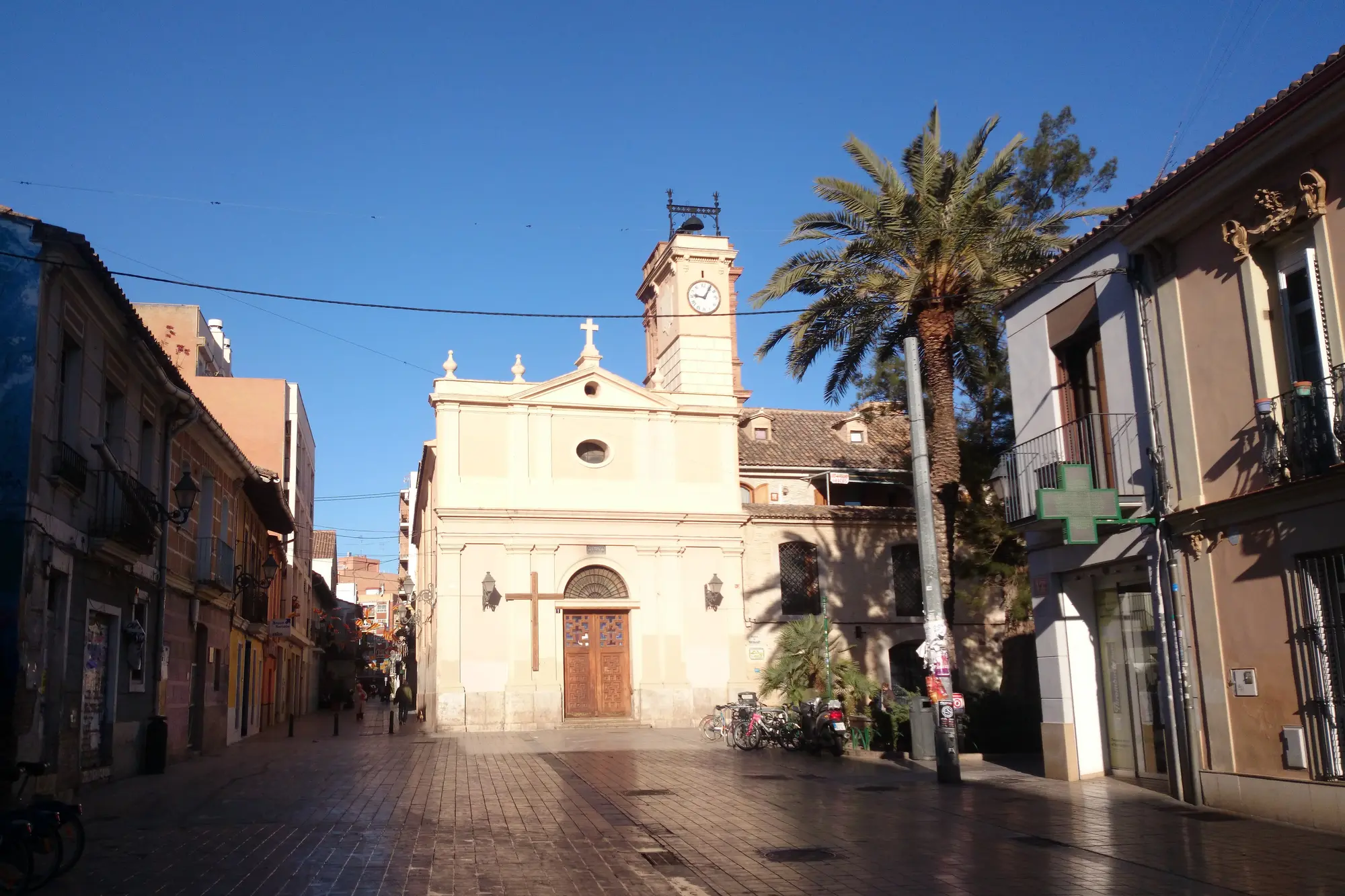 Plaça de Benimaclet and the Church of the Assumption · Wikimedia Commons
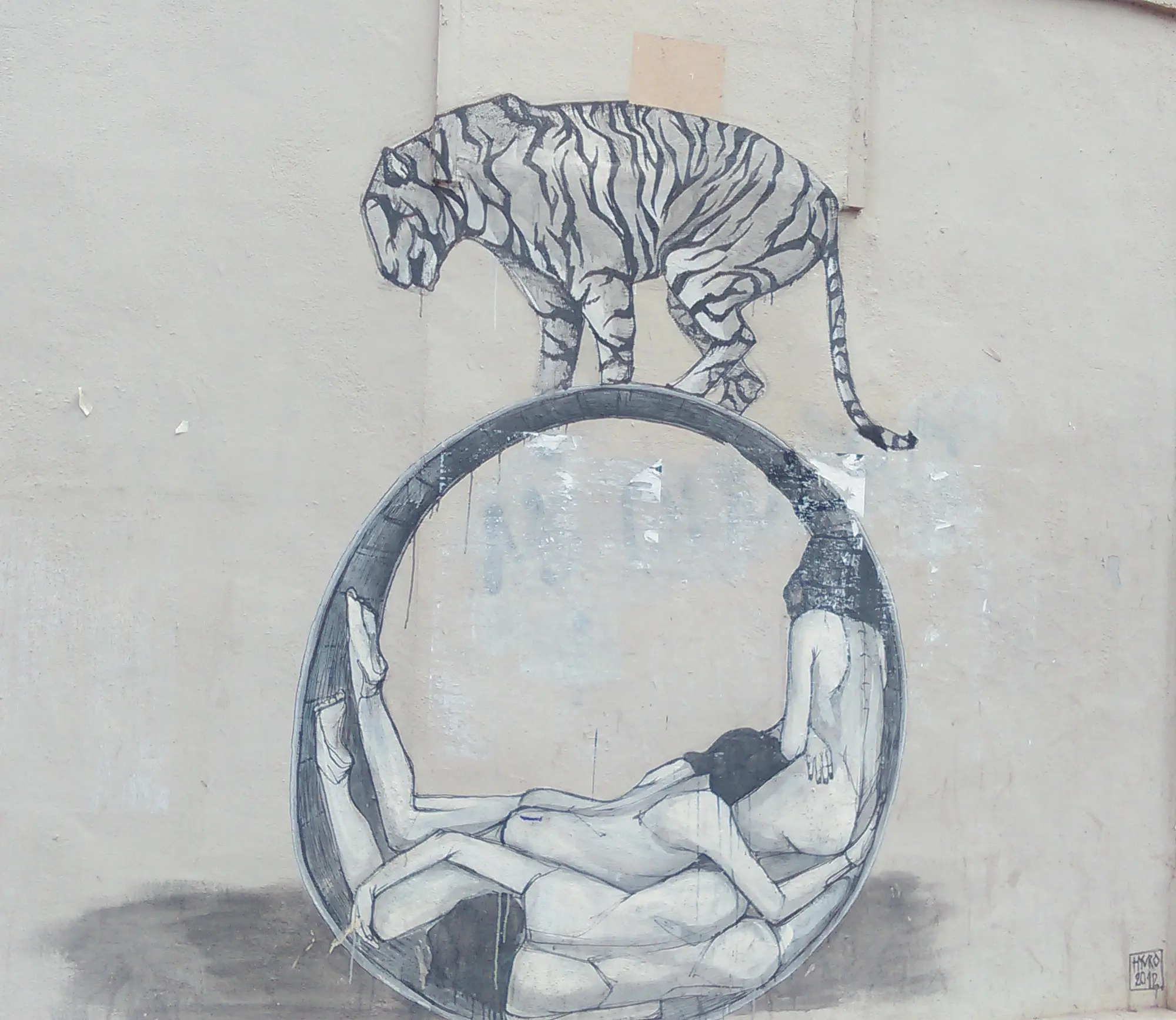 Work by Hyuro · Wikimedia Commons
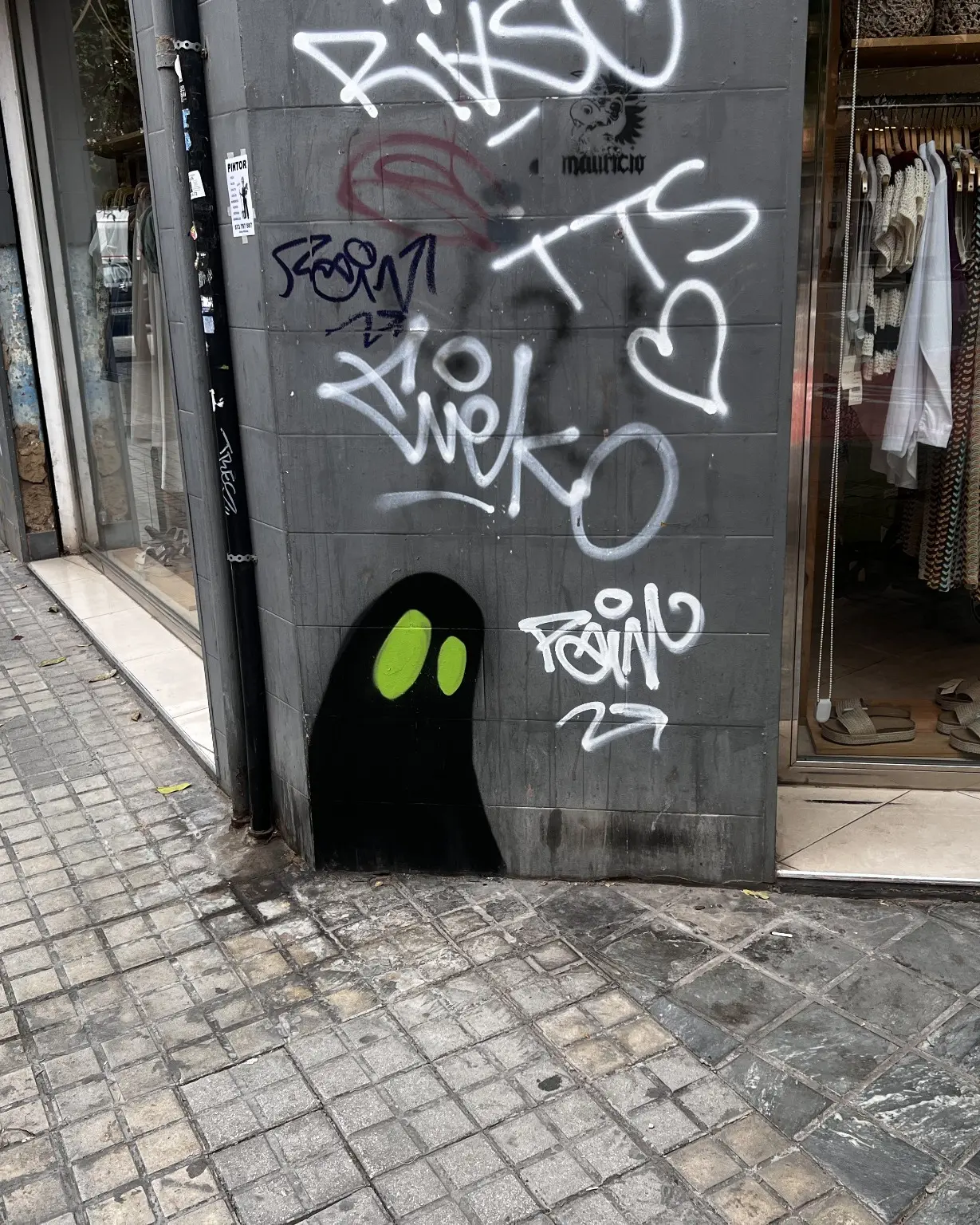 Work by La So0mbra · Official La So0mbra website
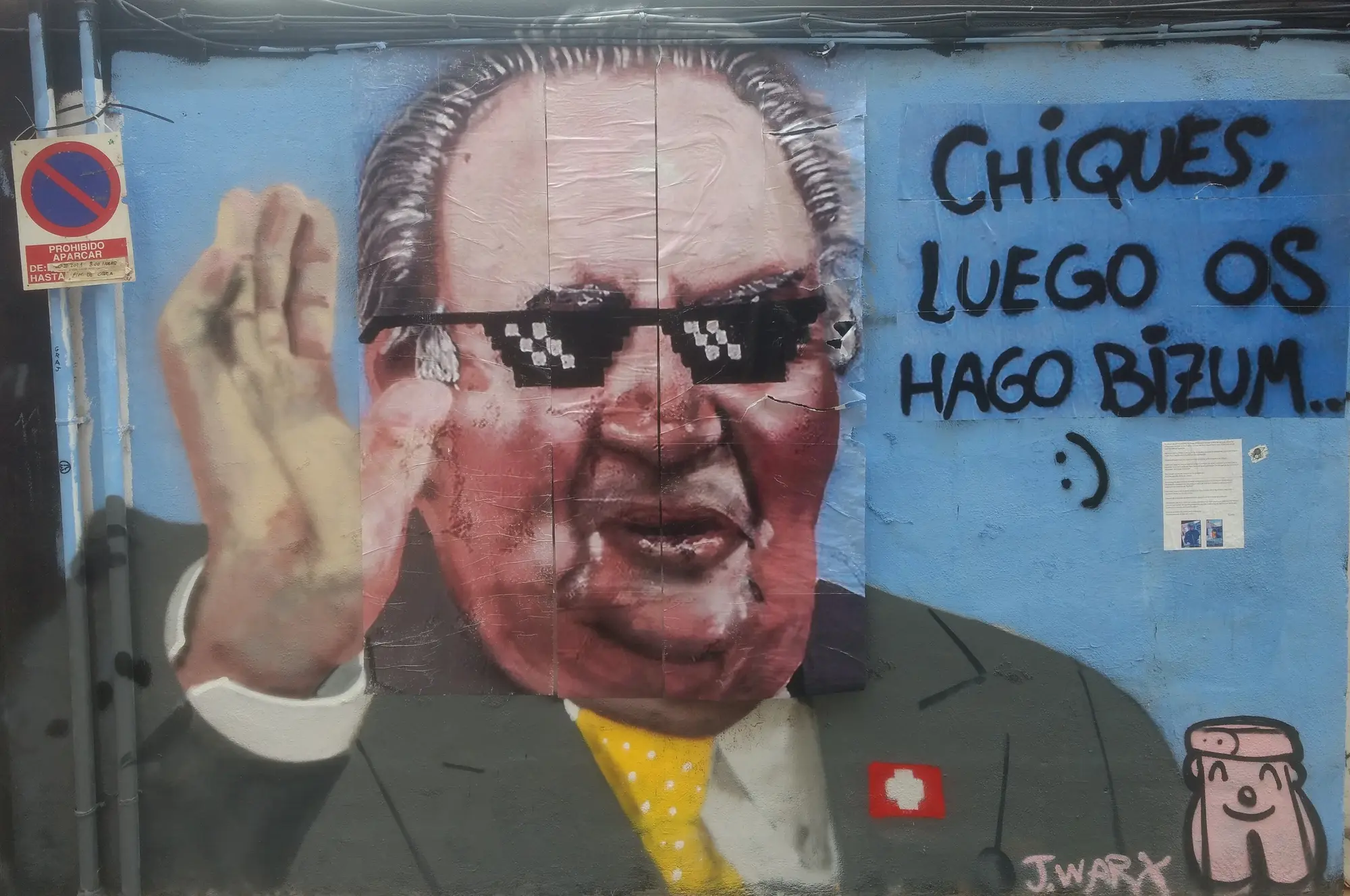 Work by J. Warx · Wikimedia Commons
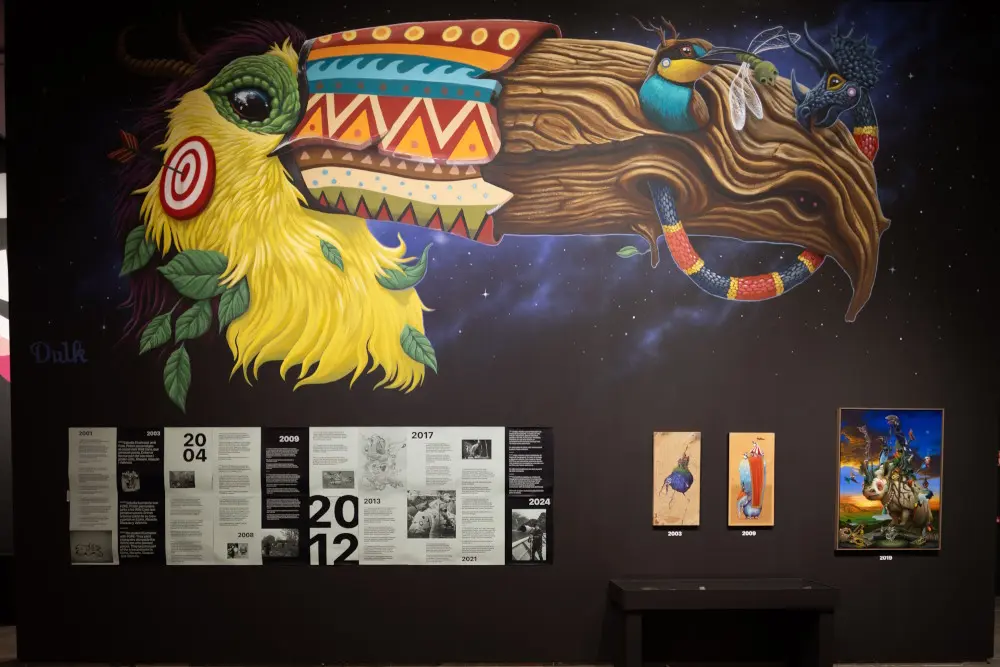 PRINCIPIOS: archive of Valencian urban art · Centre del Carme Cultura Contemporània
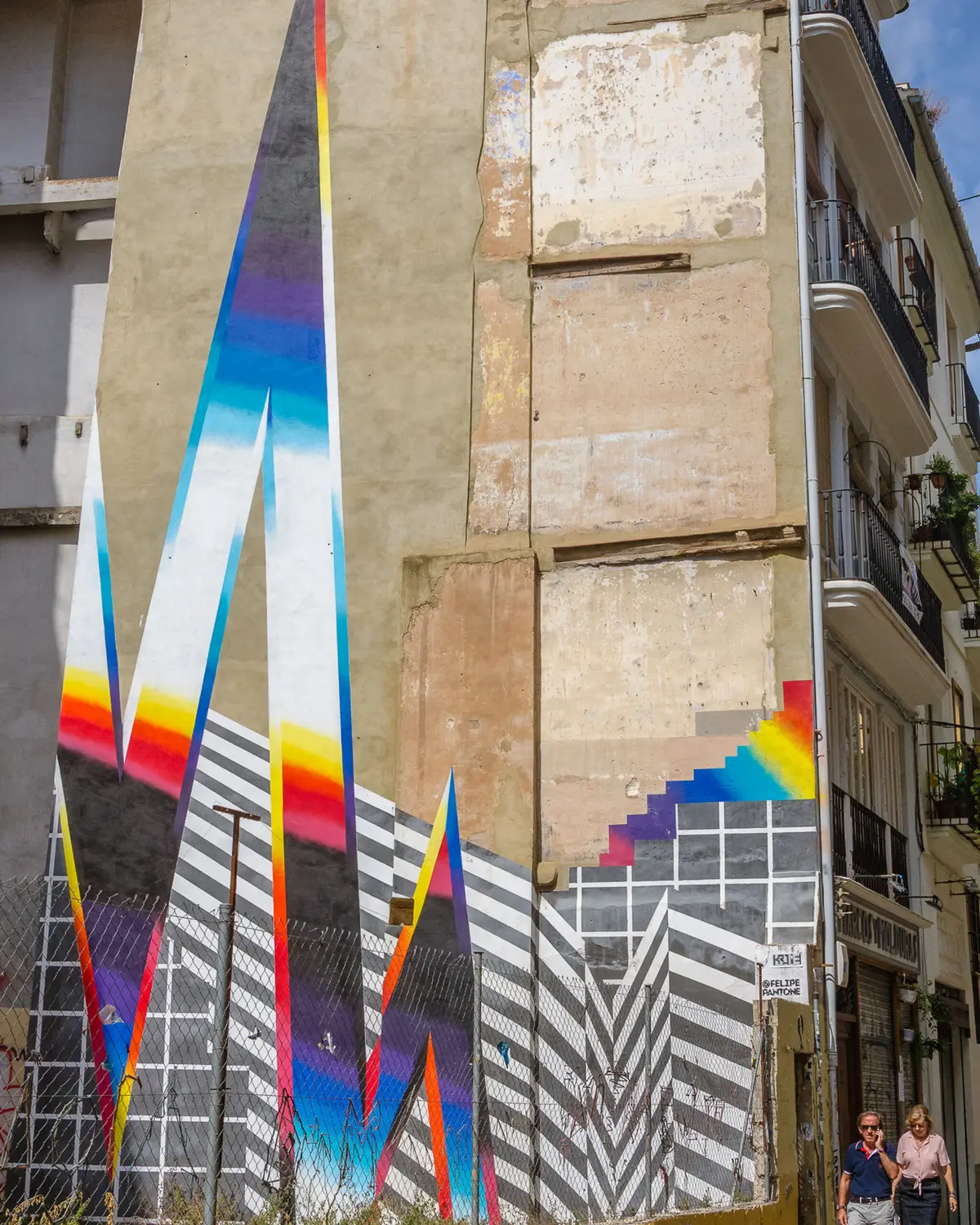 Work by Felipe Pantone · Street Art Cities
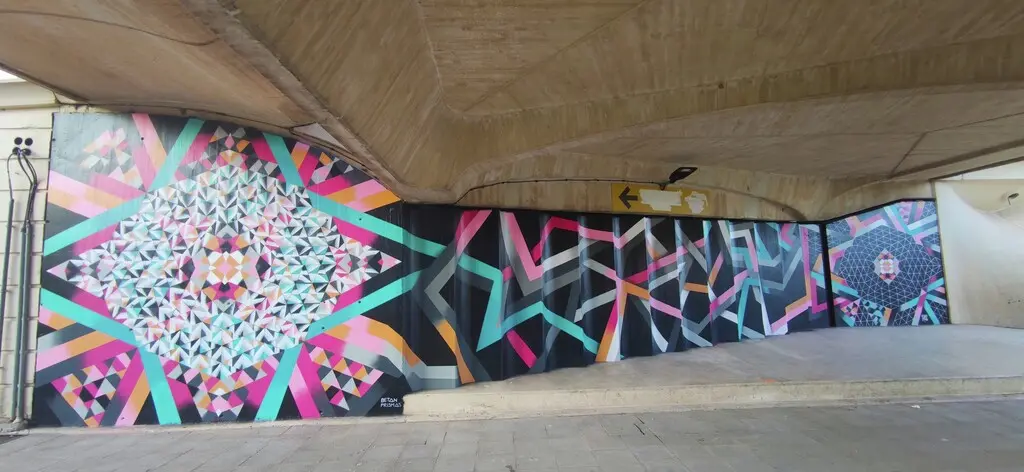 Work by Sandra Betancort · Visit València
 Don’t shoot. People are sleeping! · Wikimedia Commons