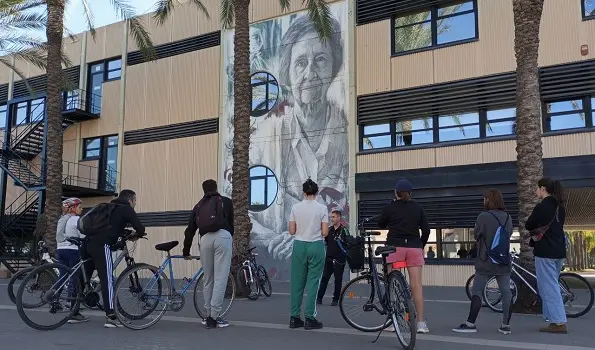
Self-guided route
Route at a glance
- Distance
- 23 km across three routes (7 km, 4 km and 12 km)
- Travel time
- About 2–3 hours in total by bicycle
- Allow
- One route at a time, with stops
Accessibility: The official itineraries prioritise cycle lanes and low-risk streets. Several works are attached to active schools or public buildings; exterior visibility and opening conditions vary, and the Valentina Tereshkova work is inside the UPV Nexus building.
- 01
Route 1 · Science that embraces
Torrefiel → Orriols → Benimaclet → Jardins de Vivers · 7 km
Mae Jemison by Galletamaria; Hypatia by Milu Correch; Anna Lluch by Dafne Tree and Ana Langeheldt; and Pilar Mateo by Alba Fabre.
- 02
Route 2 · Resilience and patience
Patraix → Malilla · 4 km
Concepción Aleixandre by Virginia Bersabé; Ana Freire by Mª Antonieta Canfield; and María Vallet by Roseta.
- 03
Route 3 · From the Moon to Antarctica
UPV → Poblats Marítims → Pinedo · 12 km
Margarita Salas by Lula Goce; Valentina Tereshkova by Alba Trench; Sofia Kovalevskaya by Julieta XLF; Josefina Castellví by Cachetejack; Hedy Lamarr by Carla Fuentes; and Anna Veiga by Marta Lapeña.
A citywide collection with two authors in every mural
Dones de Ciència was created by the Universitat Politècnica de València and Valencia’s municipal innovation programme, with collaboration from FECYT. Its purpose is double: to make the work of women scientists visible and to expose the inequalities that still shape scientific education and careers.
That purpose is built into the artistic method. Every scientist is interpreted by a woman mural artist, so the route should be read as a meeting of two practices rather than as an illustrated list of biographies. The project began in February 2019 with Lula Goce’s portrait of biochemist Margarita Salas on the UPV Rectorate building and has continued to expand beyond the thirteen stops selected for the 2024 cycling guide.
Choose one route, not all thirteen stops
The official self-guide divides the thirteen selected works into three manageable journeys. Route 1 is the most compact introduction to the northern neighbourhoods. Route 2 is the shortest and links Patraix with Malilla. Route 3 is the longest: it begins at the UPV, crosses the maritime districts and finishes near the sea at Pinedo.
Although the complete network totals 23 kilometres, it is not one continuous sightseeing loop. For a first visit, choose the route that fits the area you already plan to explore. Use the official live map for navigation and the downloadable booklet for the scientific and artistic context at each stop.
Route 1: Torrefiel, Orriols, Benimaclet and Vivers
The 7 km ‘Science that embraces’ itinerary begins with astronaut and physician Mae Jemison at CEIP Torrefiel, continues to Hypatia at the Arquitecto Tolsá auxiliary health centre, reaches oncologist Anna Lluch on the Benimaclet health centre façade and finishes with materials scientist Pilar Mateo at the Museu de Ciències Naturals in Jardins de Vivers.
This is the most useful option if Benimaclet is already part of your street-art day. It connects a neighbourhood route with two health-related settings and a public museum garden, while the four artists move from graphic character work to large-scale portraiture and painterly interpretation.
Route 2: Patraix to Malilla
The 4 km ‘Resilience and patience’ route connects physician Concepción Aleixandre at CEIP Rodríguez Fornós, computer scientist Ana Freire at CEIP Tomás de Villarroya and chemist María Vallet at IES Malilla. The short distance makes it the easiest itinerary to combine with a separate Patraix walk.
The settings matter. These are not neutral exhibition walls: the route uses schools to place scientific role models in the daily view of students, and the images translate medicine, data and biomaterials into distinct visual languages.
Route 3: UPV, the maritime districts and Pinedo
The 12 km ‘From the Moon to Antarctica’ itinerary offers the widest geographical and artistic range. It begins with Margarita Salas and Valentina Tereshkova at the UPV, passes Sofia Kovalevskaya by Julieta XLF on Carrer de l’Arquebisbe Company, Josefina Castellví by Cachetejack on Carrer de la Barraca and Hedy Lamarr by Carla Fuentes at Las Naves, then continues south to Anna Veiga by Marta Lapeña at CEIP Pinedo.
Choose this route if you want to connect the university with El Cabanyal–El Canyamelar and the coast. It is best by bicycle and should not be treated as a short central-Valencia walk. The Valentina Tereshkova piece is located in the lobby of the Nexus building, so access depends on university opening conditions.
Look for the dialogue between scientist and artist
At each stop, first identify what the artist has chosen to translate: a face, a discovery, an instrument, a landscape or a social obstacle. Julieta XLF’s Sofia Kovalevskaya, for example, combines biography, mathematics and her own dreamlike visual vocabulary; Cachetejack’s Josefina Castellví uses graphic forms to evoke Antarctic research.
Then ask what the wall adds. Scale, surface and location change the meaning of a portrait. A scientist represented on a school wall addresses a different daily public from one painted at a university rectorate or civic innovation centre.
Access, timing and responsible visiting
Ride in daylight and open the official map before leaving: the project continues to grow, while the 2024 booklet records a selected thirteen-stop network rather than every mural now in the programme. Check institutional opening hours separately for interiors and never enter school grounds without permission.
Where a mural is visible from a public pavement, keep gates, entrances and cycle lanes clear. Avoid photographing identifiable pupils or other bystanders. As with every outdoor-art route, record the visit date and expect maintenance, vegetation, parked vehicles or later changes to affect the view.
Field note: Use the official map for live orientation, choose one of the three cycling itineraries, and read every stop as a collaboration between a scientist, a mural artist and the institution or neighbourhood that holds the wall.
Method and sources
- Universitat Politècnica de València: Dones de Ciència: official project and mural directory (opens in a new tab)
- Universitat Politècnica de València: Pedalejant amb Dones de Ciència: official cycling routes (opens in a new tab)
- Universitat Politècnica de València: Pedalejant amb Dones de Ciència self-guided route booklet (opens in a new tab)
- Universitat Politècnica de València: Thirteen Dones de Ciència murals connected by bicycle (opens in a new tab)
- Universitat Politècnica de València: Dones de Ciència project history and original objectives (opens in a new tab)
- Valencia Street Art: Valencia Street Art editorial policy
Related reading
Continue exploring
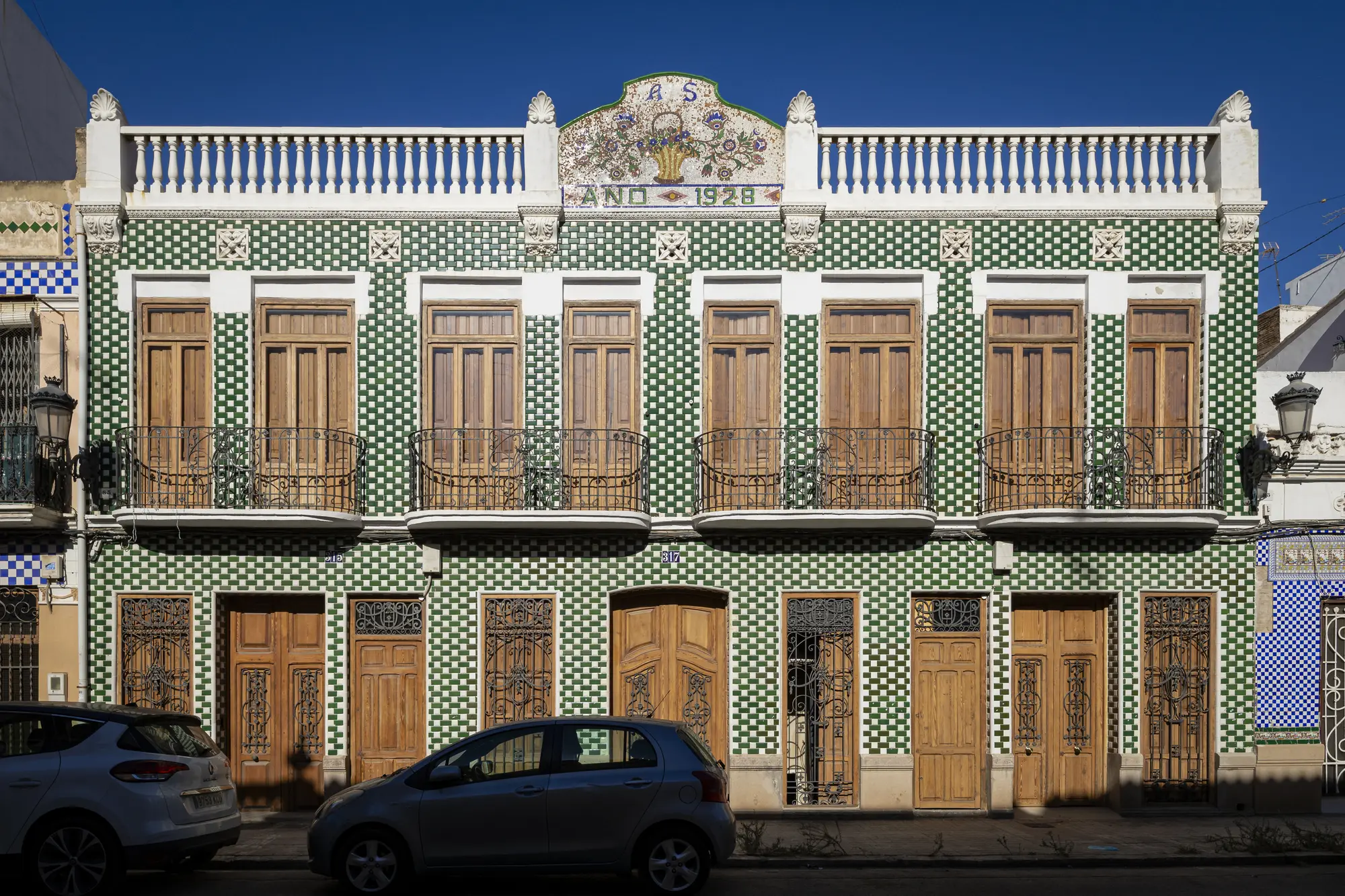 Les Casetes del Gerro, Cabanyal–Canyamelar · Wikimedia Commons
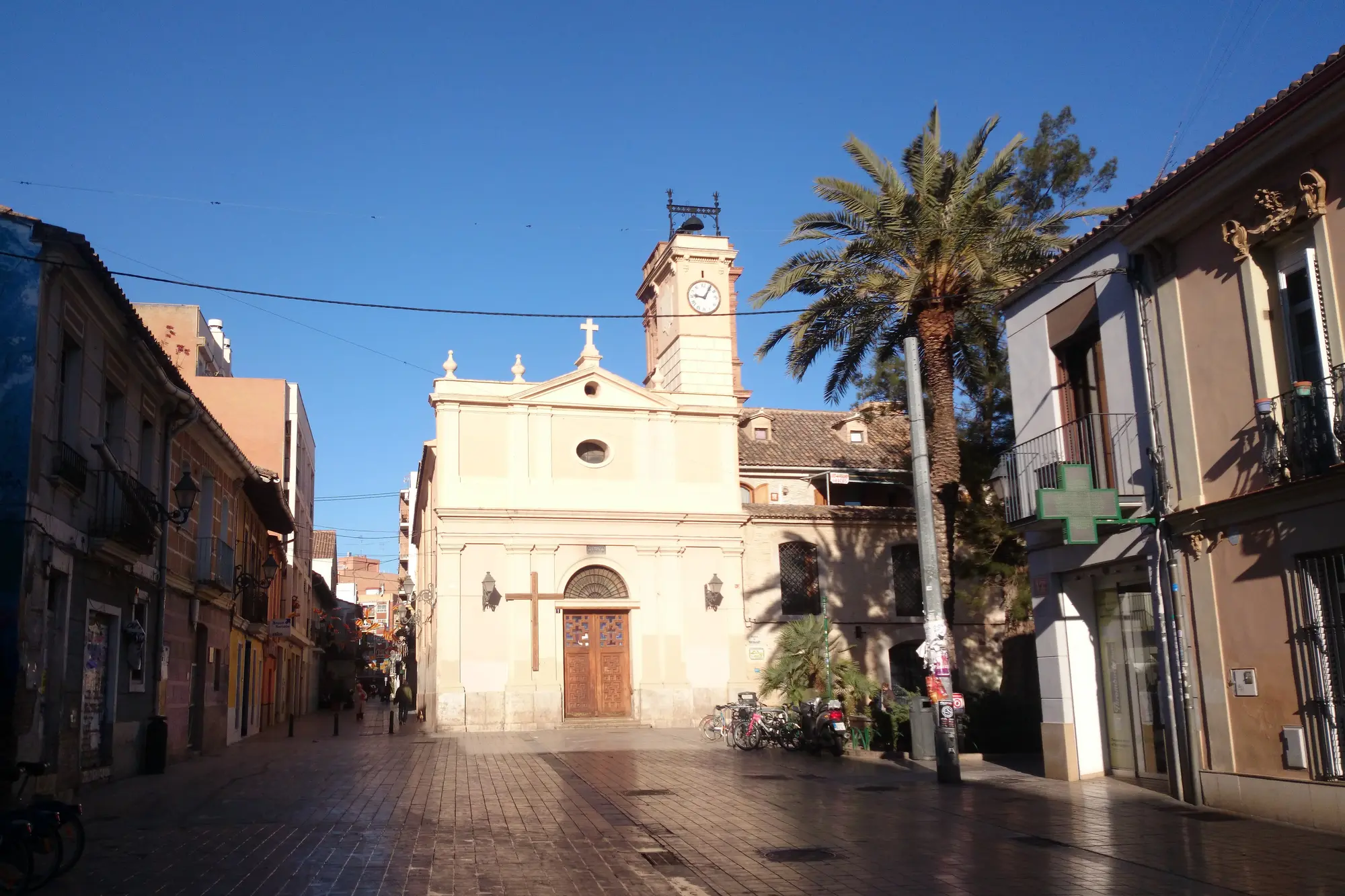 Plaça de Benimaclet and the Church of the Assumption · Wikimedia Commons
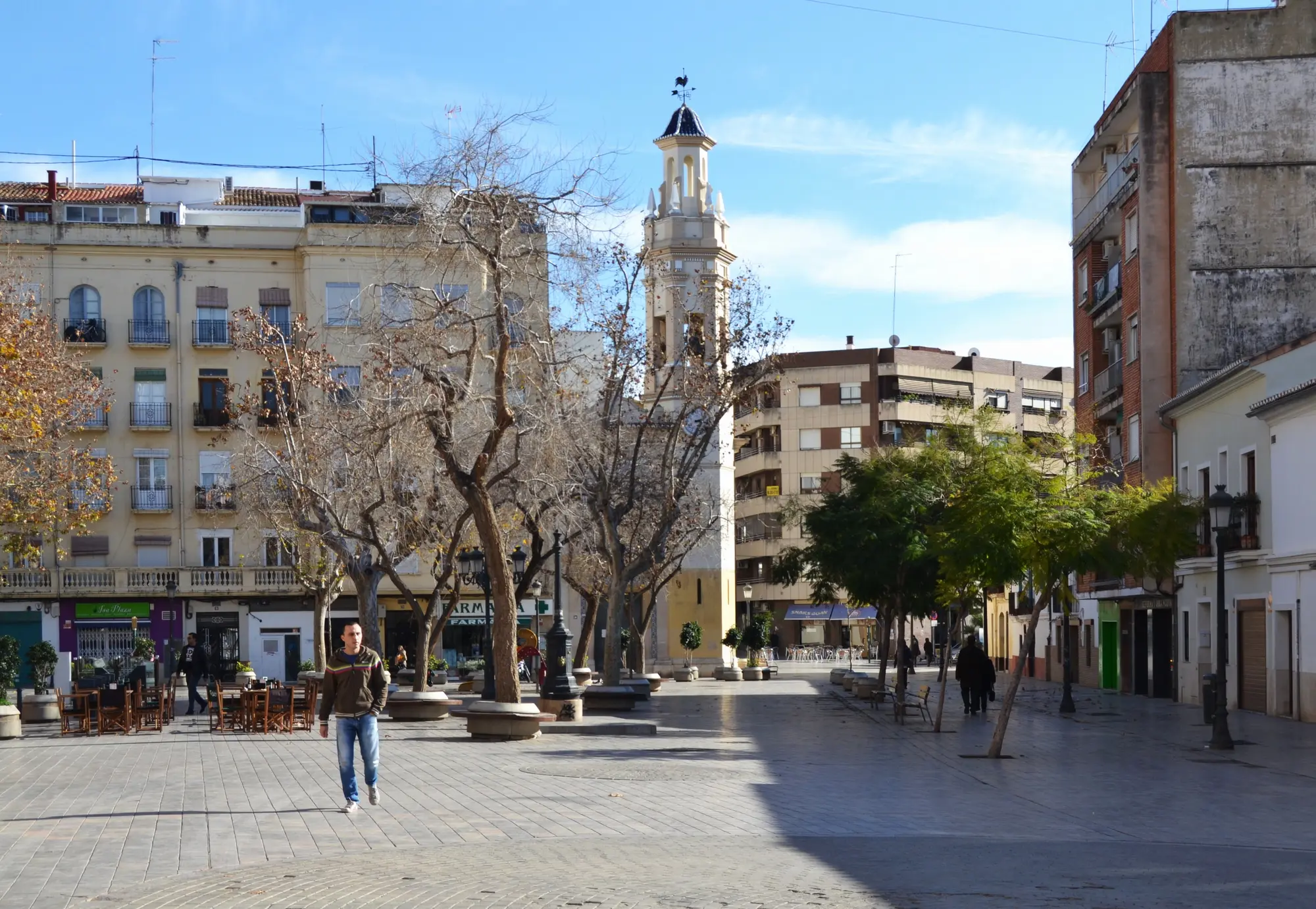 Plaça de Patraix · Wikimedia Commons
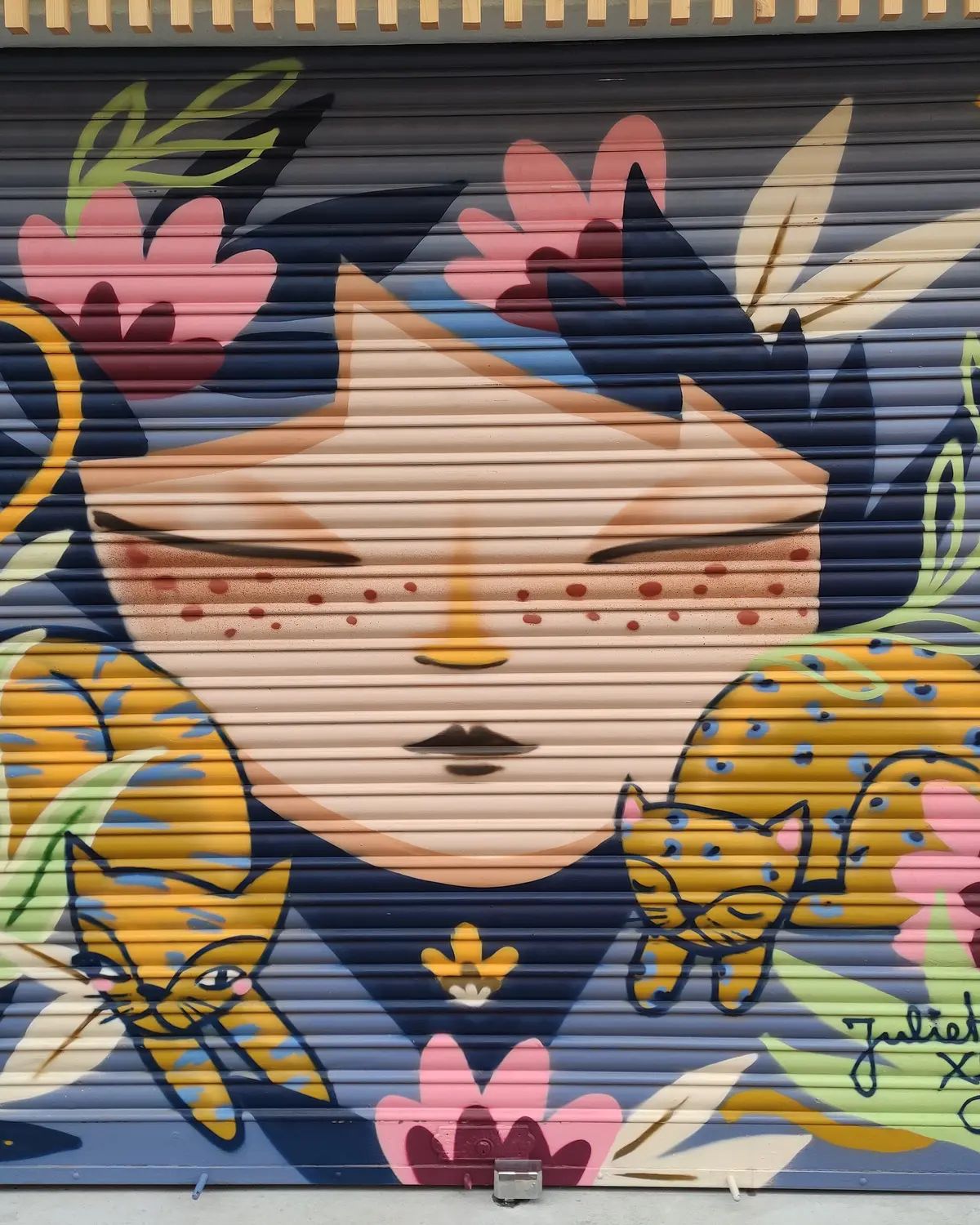 Work by Julieta XLF · Wikimedia Commons
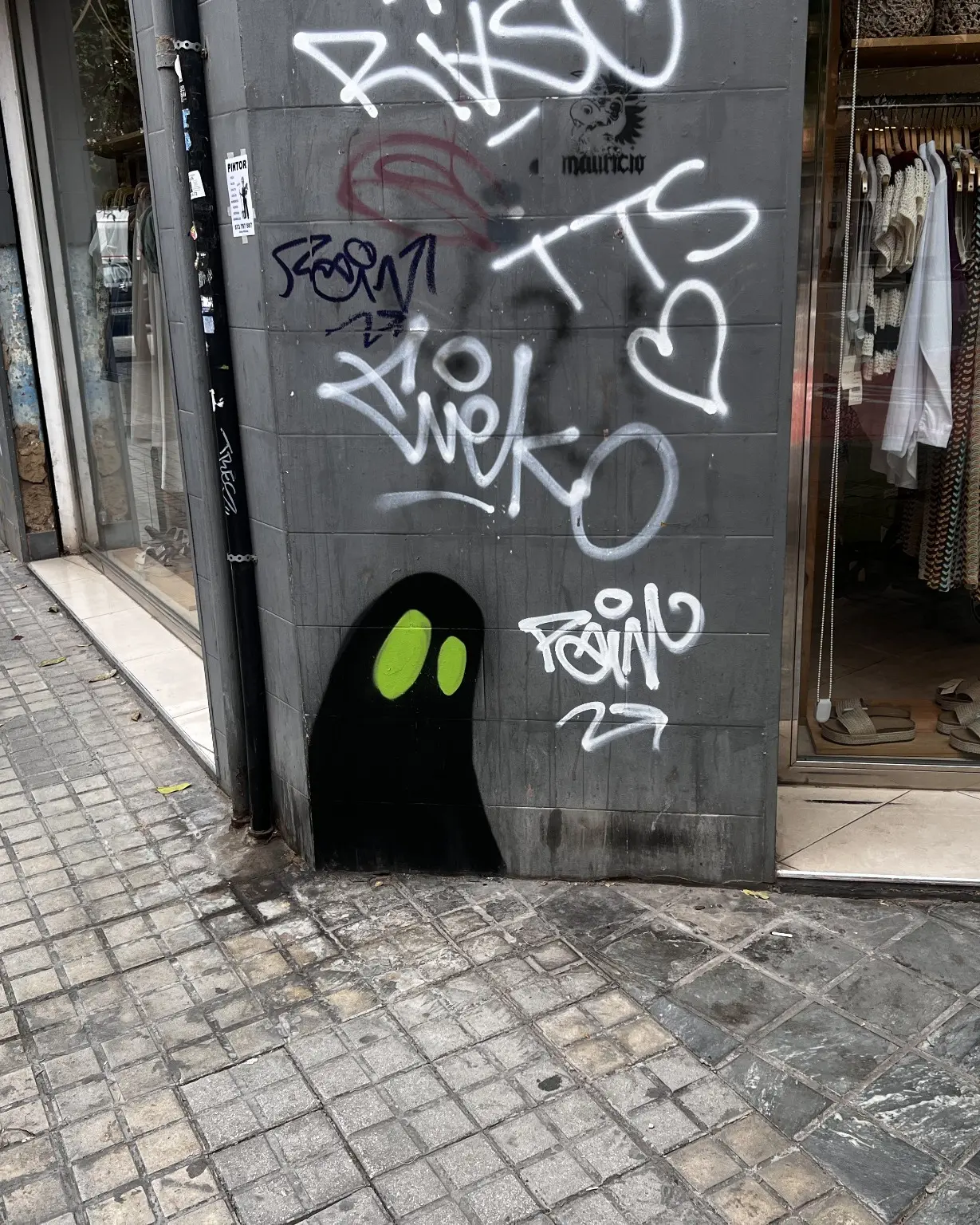 Work by La So0mbra · Official La So0mbra website
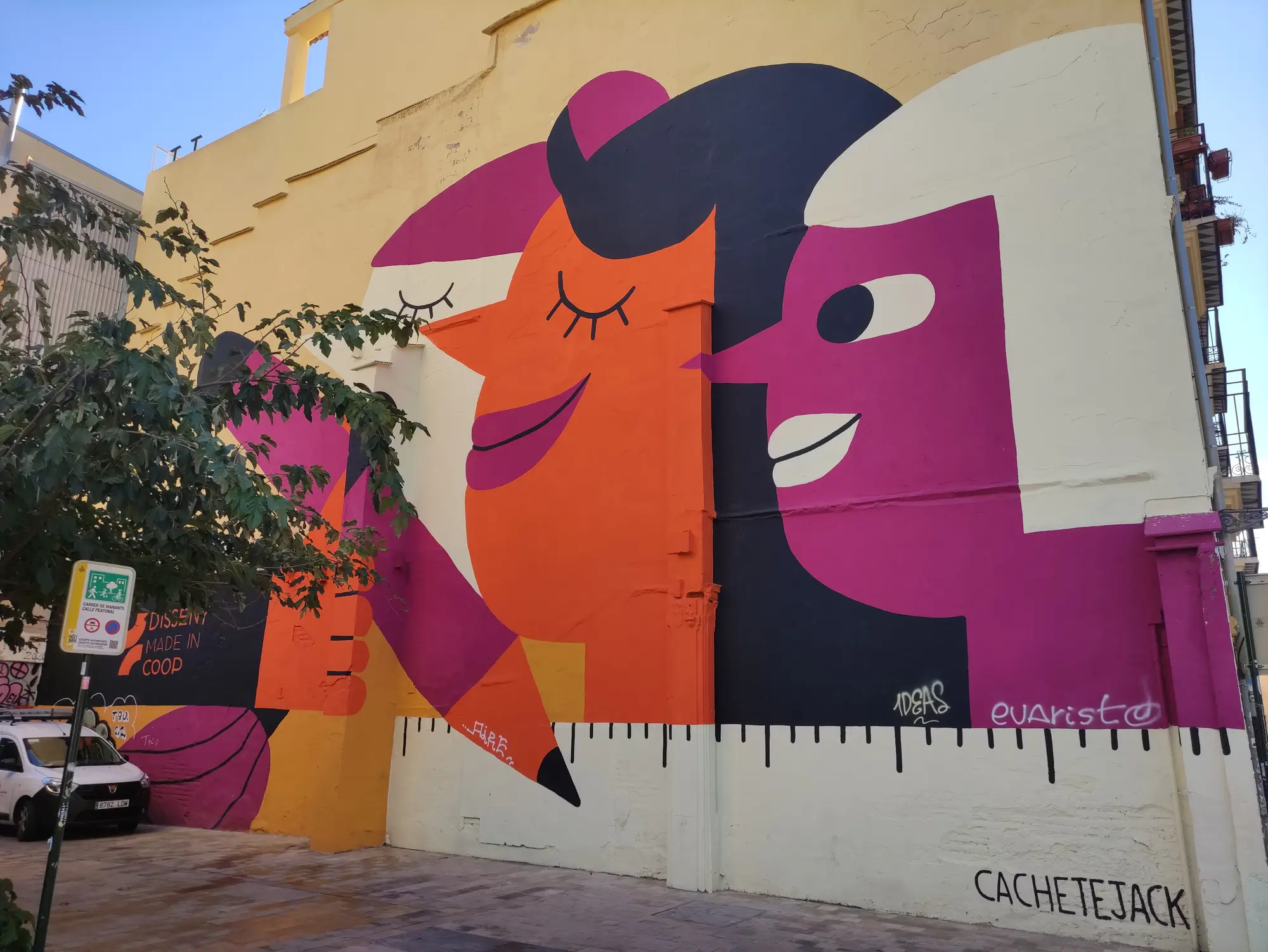 Work by Cachetejack · Wikimedia Commons
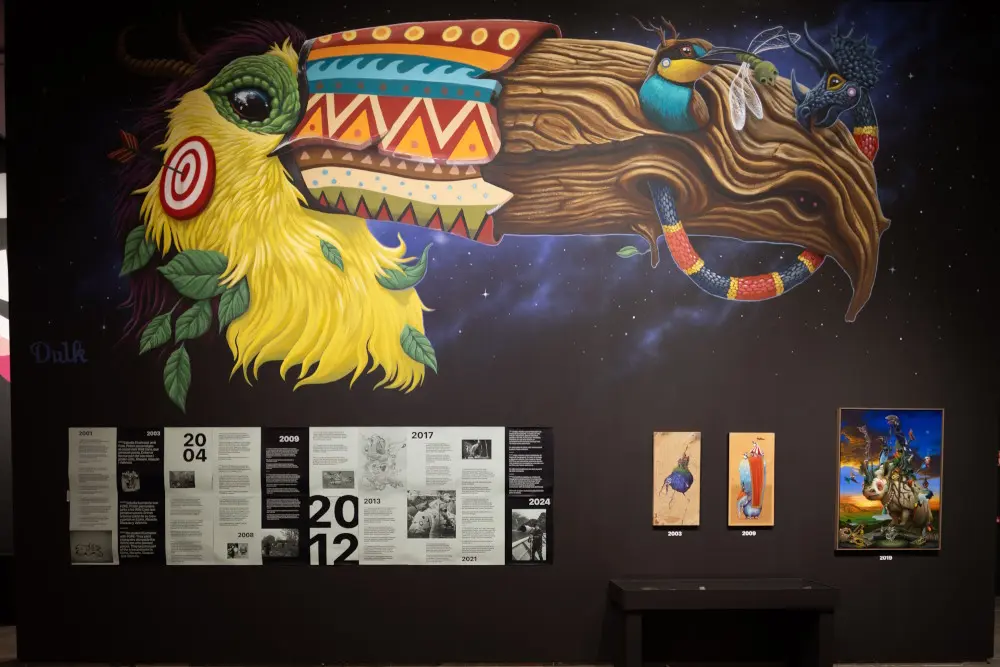 PRINCIPIOS: archive of Valencian urban art · Centre del Carme Cultura Contemporània
 Poliniza Dos 2026 at the Campus de Vera · Universitat Politècnica de València
 Work by Felipe Pantone · Street Art Cities
 Work by Okuda San Miguel · Wikimedia Commons