Take the context first
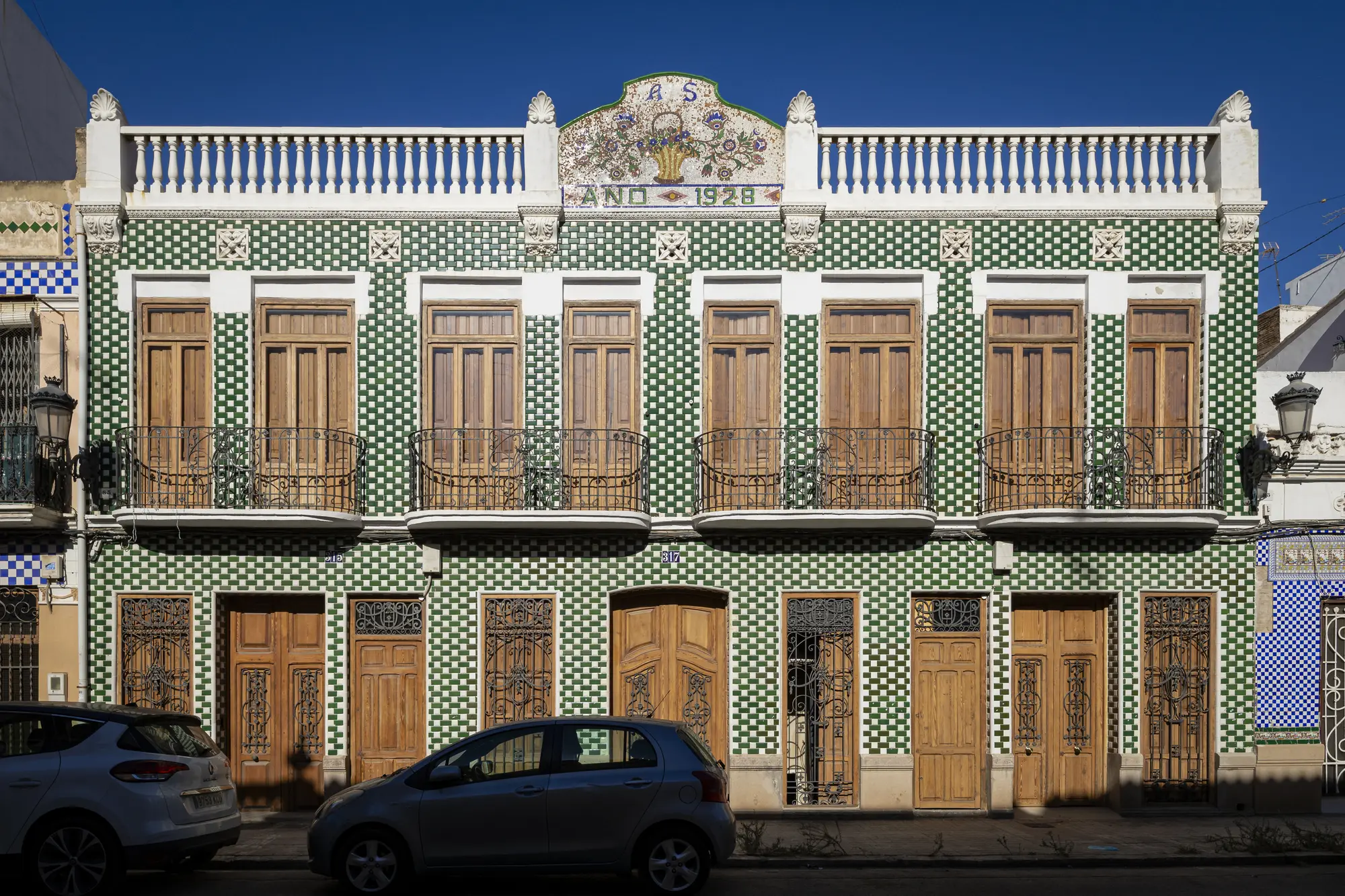
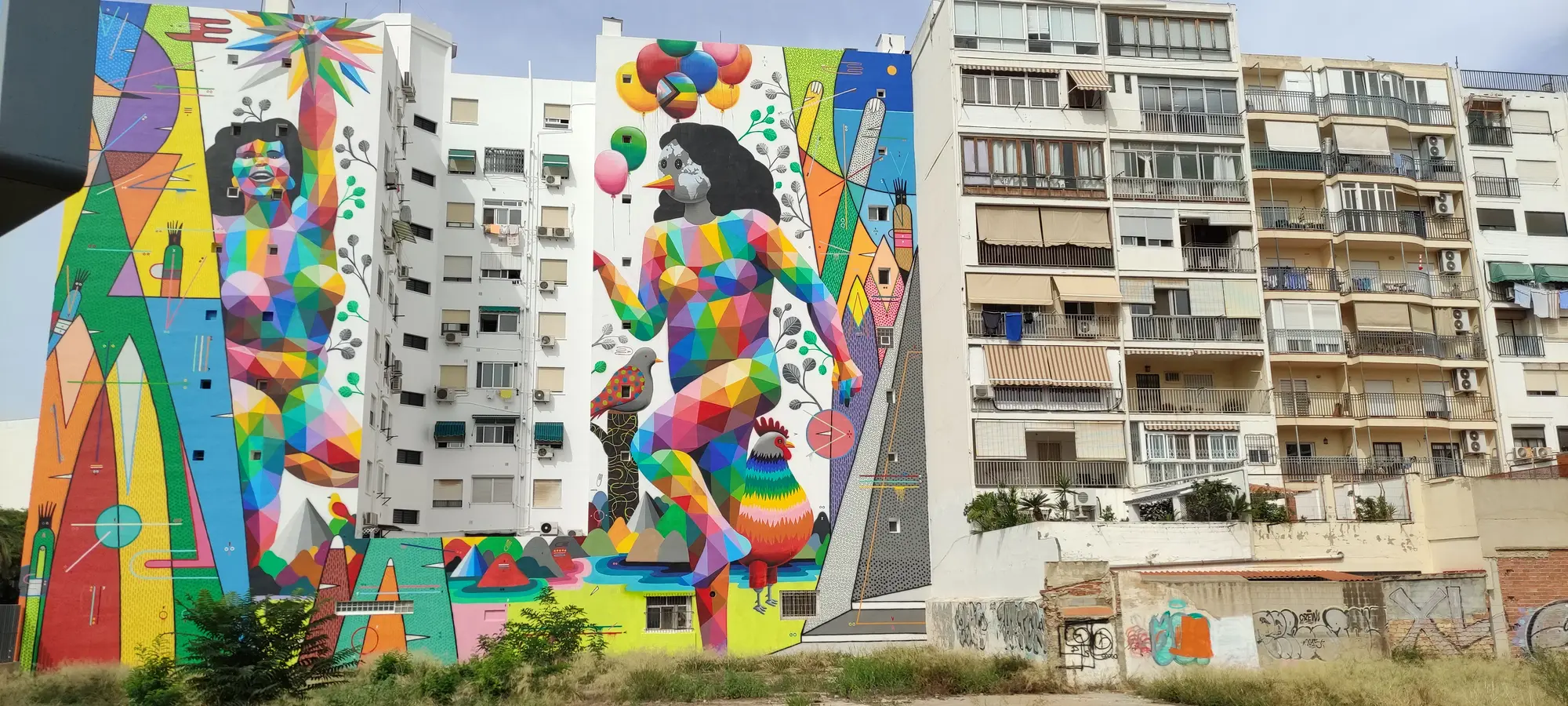
Begin with a wider view before moving to details. Show how the work meets the building, the pavement and the neighbouring surfaces. A close crop may preserve colour and line, but it can remove the visual conditions that made the work urban.
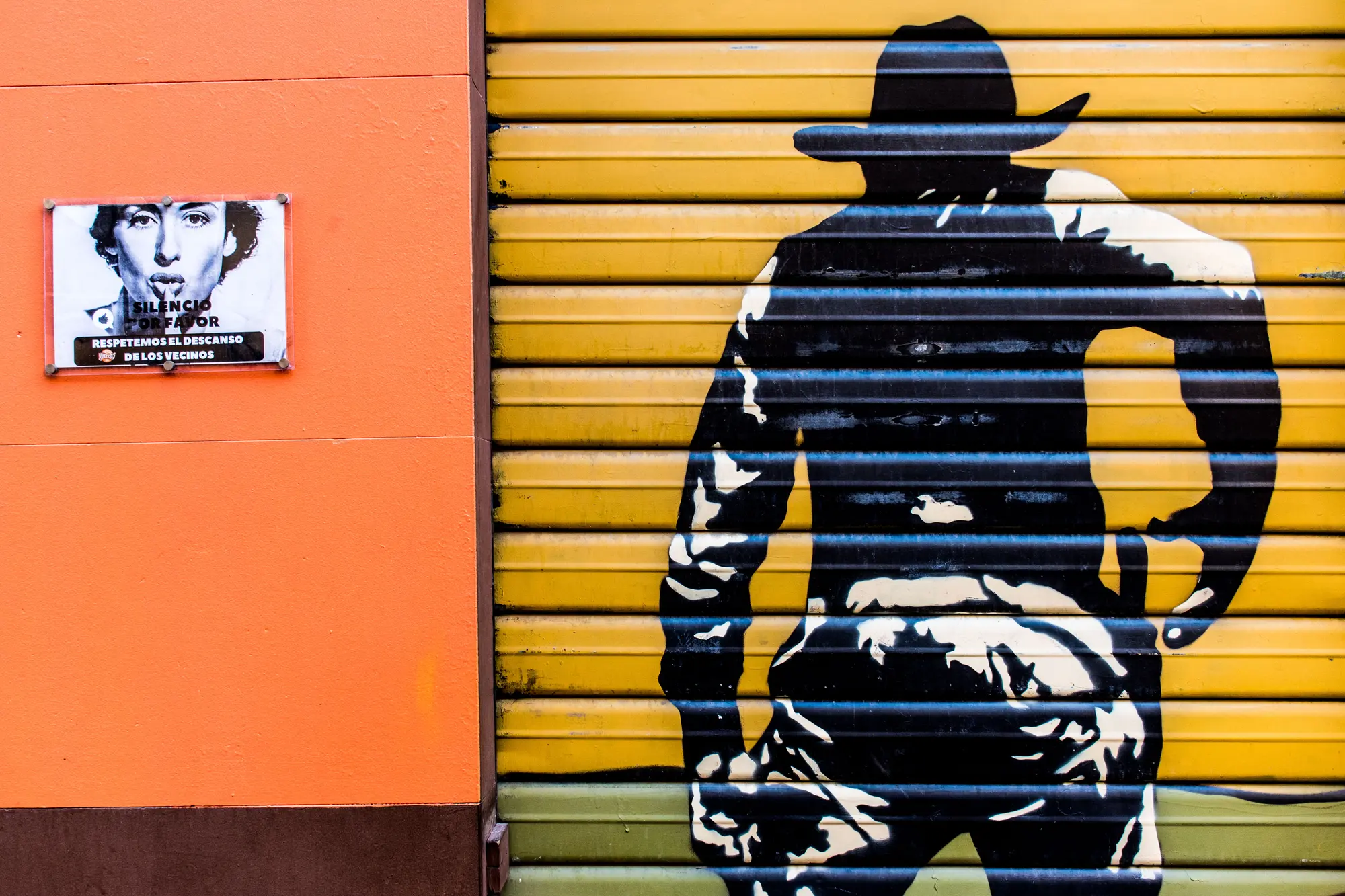
Change your position rather than relying only on zoom. One frame can record the street relationship; another can preserve the marks, texture and smaller decisions that would disappear at a distance.
Record the date and area
A field photograph is dated evidence. Record when and in which area it was made, even when you do not plan to publish immediately. That information becomes more valuable as the surface changes.
An area is often enough for a public caption. Exact coordinates are not always useful or appropriate, especially around private entrances or work whose current status is uncertain.
Show scale and surface
Include an architectural edge, joint, shutter or other non-personal reference when it helps explain scale. The aim is not to add a dramatic prop but to show how the intervention occupies its support.
Texture matters. Cracks, layers of paint and changes in material can explain how the work was made and what has happened since. If the published display crops the image, disclose that change in the credit.
Respect everyday life
Do not block an entrance, step into traffic or treat a resident as scenery for a cleaner composition. Wait, move or leave the imperfect frame. The work exists inside a place used by other people.
Avoid identifiable faces when they add nothing to the record, particularly children and people entering homes. Context can be shown through architecture, distance and use without making an uninvolved person the subject.
Write a useful caption
A useful caption records the available title, supported attribution, photographer, date, area, source and licence. If the artist or work is unknown, say so rather than filling the gap with a guess.
Separate what the photograph proves from what remains uncertain. It can document a moment and a place; it cannot guarantee current visibility, permission or authorship unless another reliable source establishes those facts.
Field note: Make two records: the work and its setting. Add date, area, credit and uncertainty so the image remains useful after the wall has changed.
Method and sources
Related reading