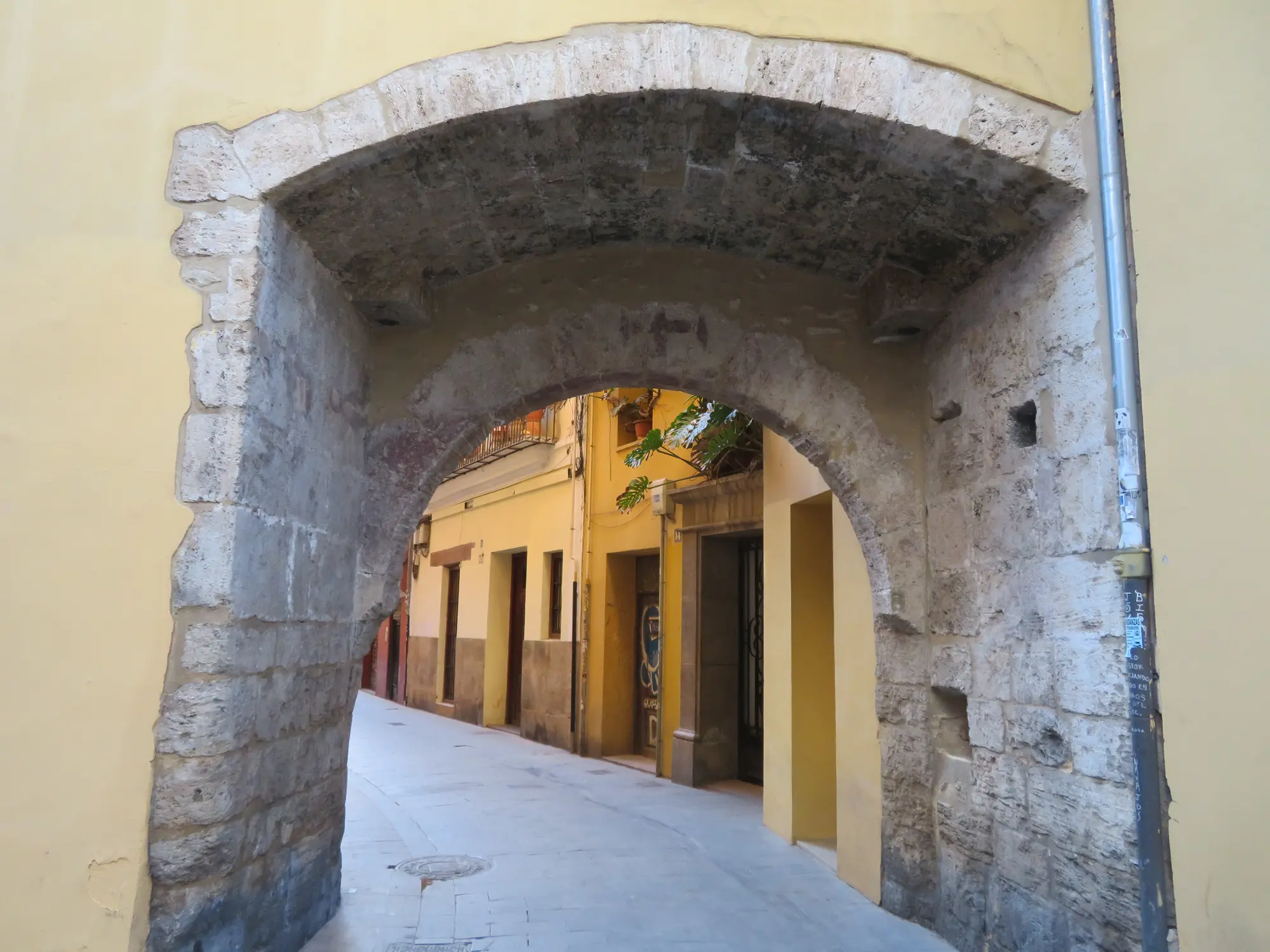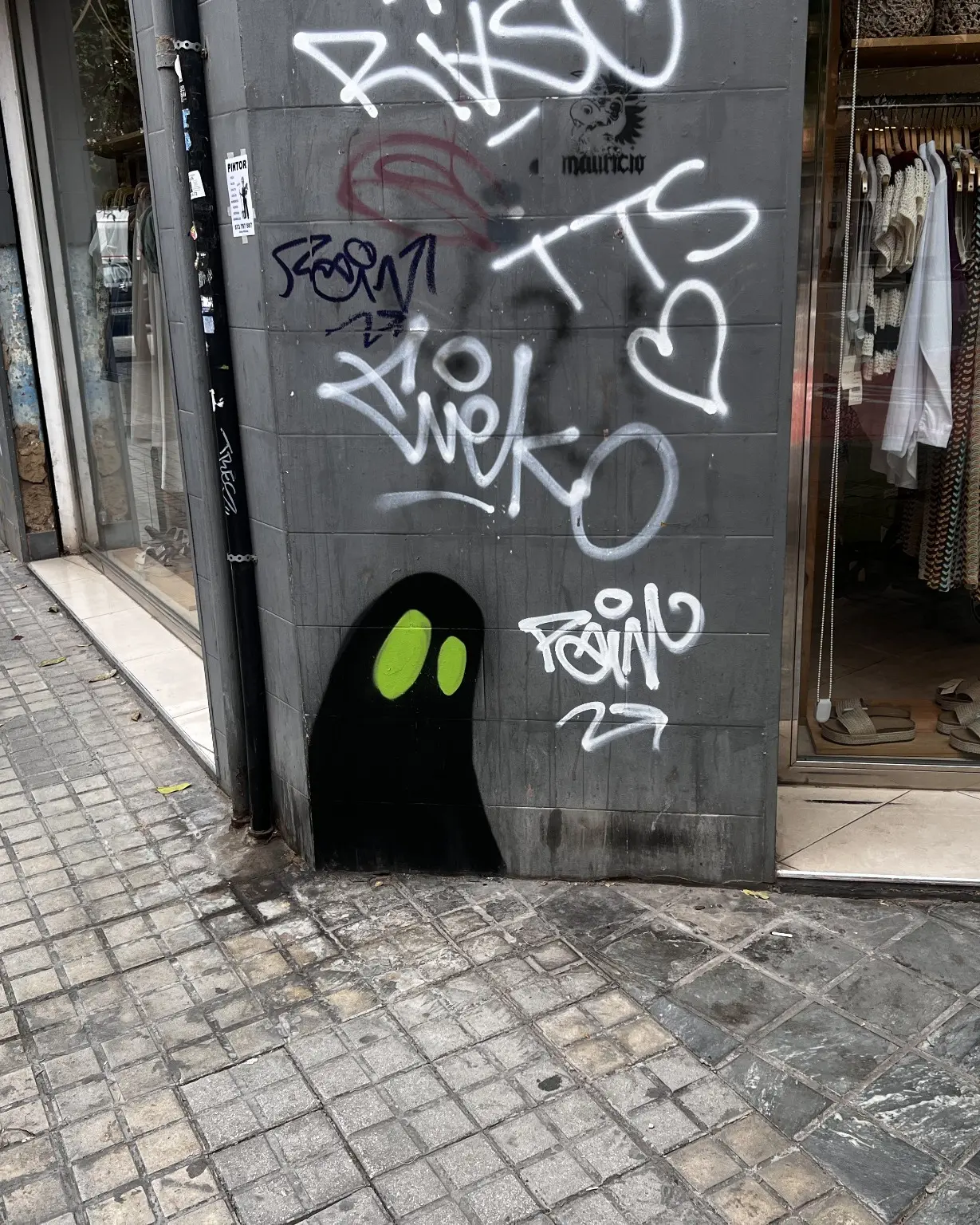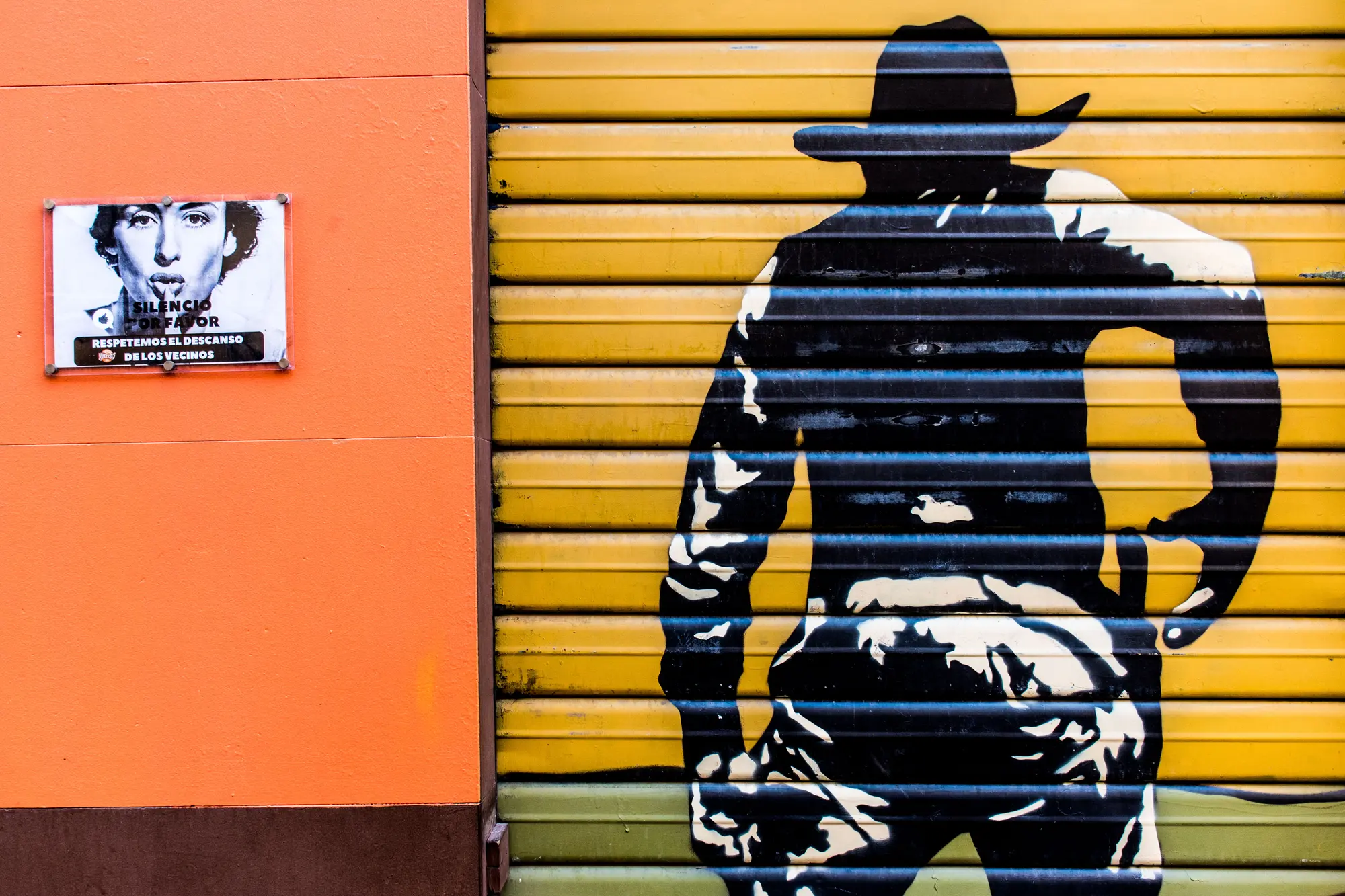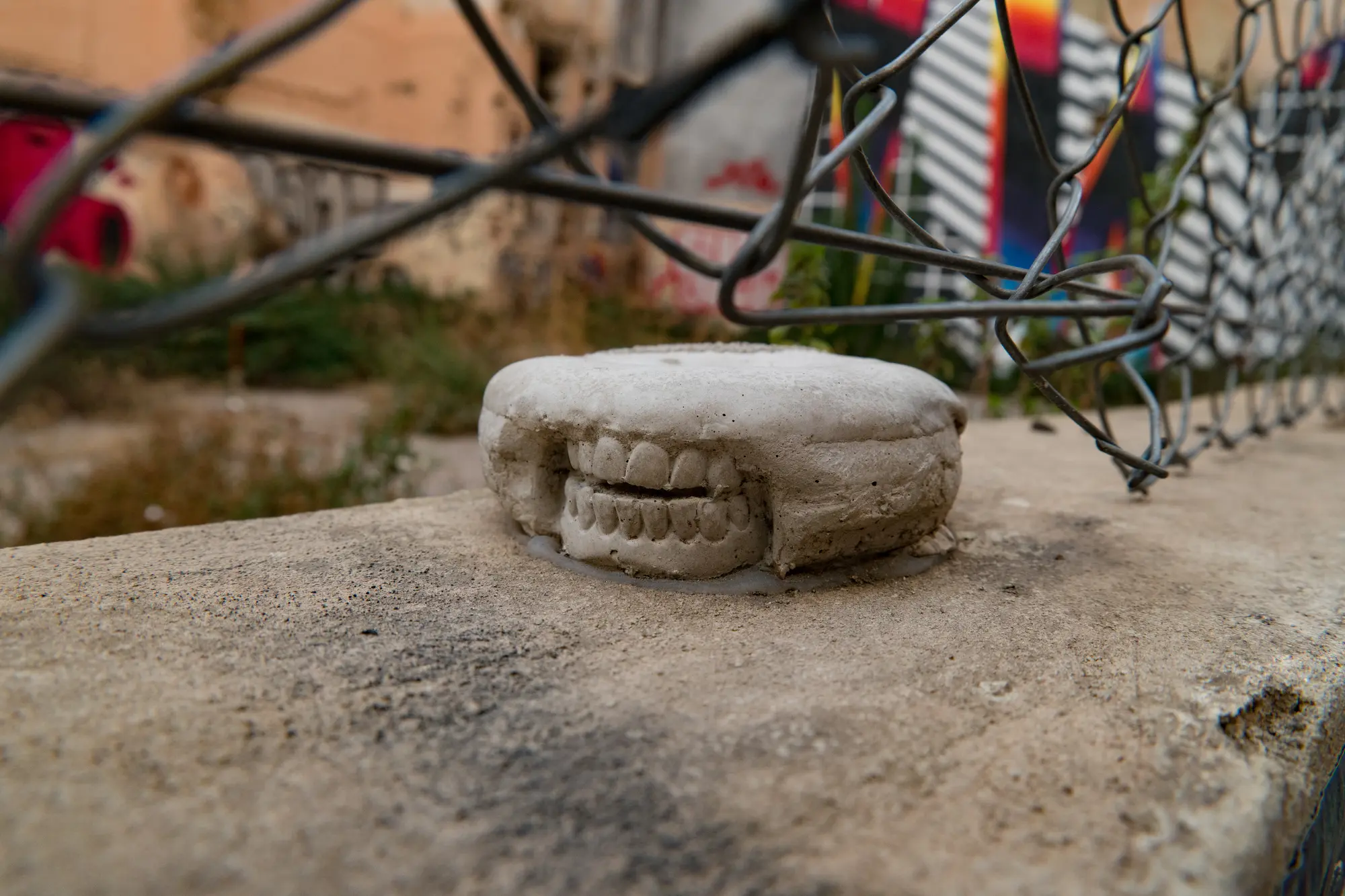
Start with description
Write down what is actually visible before deciding who made it. Note dominant forms, colours, lettering, recurring characters, materials and any readable signature. Description keeps the first observation separate from the later conclusion.
Location and date matter too. A photograph without them is harder to compare with documented work, and the surface may have changed by the time the image is checked.
Style is a clue, not proof
Artists repeat habits, but visual resemblance is not proof. Styles are learned, borrowed, adapted and sometimes imitated. A silhouette, palette or lettering style may narrow a search without identifying authorship.
Treat a possible match as a hypothesis. Ask which details recur across independently attributed examples and which are common across the wider scene.
Follow the source chain
Begin with the work itself: a signature, label or nearby project information. Then look for the artist’s official channels, an institution or festival page, and reliable reporting that ties the name to the specific work or project.
Reposted images can help locate an original source, but repetition is not verification. Find the earliest traceable publication, read its caption and note whether it identifies the work directly or merely repeats another claim.
Keep three questions separate
Confirming that an artist worked in a city does not prove they made every similar piece there. Identifying a photograph does not show that the work is still visible. Authorship, location and current status are three different questions.
Record the answer to each question independently. That structure makes a profile easier to correct later and prevents one strong piece of evidence from being stretched beyond what it supports.
Publish uncertainty
If the evidence supports only a probable identification, say so. ‘Attributed to’, ‘documented by the artist’ and ‘unconfirmed’ describe different levels of confidence and should not be used as if they meant the same thing.
Anonymity can also be intentional. Verification should never become an excuse to expose a private identity. Leaving a work or person unidentified is better than turning speculation into a permanent searchable claim.
Field note: Describe first, test style as a clue, follow the source chain and state the level of certainty. A careful unknown is more useful than a confident guess.
Method and sources
Related reading