Recognition begins with the second encounter
The first time a small figure appears beside a doorway, it may seem incidental. The second encounter changes the experience. A familiar outline returns on another surface; the viewer remembers the earlier image and begins to look for a relationship between them. By the third, repetition itself has become part of the work.
Valencia’s recurring street-art characters operate through that accumulating recognition. Some are compact silhouettes, some are portrait faces and others belong to larger illustrated worlds. They do not form a single movement or technique. What connects them is the use of a repeatable visual language that can remain identifiable while pose, scale, material and location change.
This is not a ranking of artists or an argument that characters are more accessible, valuable or accomplished than graffiti writing. Valencia’s streets hold letter-based graffiti, stencils, paste-ups, murals, installations and many hybrid practices. The field guide to street art and graffiti explains those distinctions without placing one above another.
A recurring character is therefore best treated as a way of building continuity across separate encounters. The image returns, but the street never provides exactly the same frame twice.
What repetition does in a changing city
Repetition gives a visual motif memory. A single image can be striking, but a series of encounters allows a passer-by to recognise a public presence without needing to know the artist’s biography. The street becomes a distributed setting: one wall introduces the figure, another alters its scale and a later work places it in a new relationship with architecture.
Variation keeps that repetition from becoming mechanical. A character may hide behind an edge, occupy a shutter, stretch across a façade or appear close to the pavement. Material matters too. Paint, paste-up and attached elements weather differently, while the surface can supply texture that no studio background would reproduce.
Time complicates the system. One work may survive for years while another disappears quickly. A dated photograph proves that an intervention was visible when the image was made; it does not guarantee that the work remains. This guide uses photographs as records of encounters rather than a live inventory of walls.
Recognition should also remain separate from attribution. A familiar motif is a clue, not proof. Signatures, official publications, institutional records and documented photographs are stronger evidence than resemblance alone.
La So0mbra: reduction, green eyes and public memory
La So0mbra demonstrates how little visual information a recurring figure may need. The project removes mouth, hands and descriptive detail until a black silhouette and two green eyes carry the identity. That reduction allows the figure to change in size and setting without losing recognition.
The project’s official statement gives the colours and missing features a stated social meaning. Green refers to mental-health awareness as well as poison or social toxicity; black refers to the shadow and darkness; the eyes witness what happens while the absence of a mouth suggests an inability or unwillingness to speak. These are the project’s explanations, not a claim that every passer-by will read the figure in the same way.
La So0mbra describes itself as a participatory urban-art movement. Independent reporting dated its beginning in Valencia to August 2023 and counted more than 500 figures by April 2024. That number is a dated milestone, not an estimate of how many interventions survive or how many exist now.
Repetition supports the social purpose because the message is not confined to a single monumental wall. A figure encountered near street level may first create curiosity; later encounters can connect that curiosity with the project’s mental-health focus. Anonymity remains part of the structure, so this publication does not speculate about a private identity or earlier name.
The image used on La So0mbra’s profile was supplied specifically for that profile. It is not reproduced here because permission for broader Journal use has not been assumed. The absence of an illustration is preferable to stretching a valid permission beyond its documented scope.
David de Limón: a character designed to act
David de Limón builds recognition through a predominantly black masked figure whose simple outline can accommodate many poses. The character does not merely sit on top of a surface: it can appear to climb, hide, carry an object or reach around an architectural edge. Placement turns the street into part of a compact cartoon narrative.
The figure belongs to a longer evolution. The artist traces his practice to the tag LIMÓN in 1998 and the lemon-slice emblem that followed. Local observation remembers forceful, graffiti-influenced slices gradually becoming simpler circular forms before the masked figure expanded what the image could do. The lemon was a signature; arms, legs and changing poses made a protagonist possible.
A white circle on the chest, often containing a red heart, helps maintain the character’s identity while allowing details and situations to change. A later female version extended the visual cast and created further possibilities for interaction. Repetition across Valencia connected these scenes without requiring one continuous storyline.
David de Limón is an important pioneer within Valencia’s street-art development, but that does not make him the city’s first graffiti writer. The distinction preserves both his contribution and the longer history of local writing. The full sequence is explored in The Evolution of David de Limón.
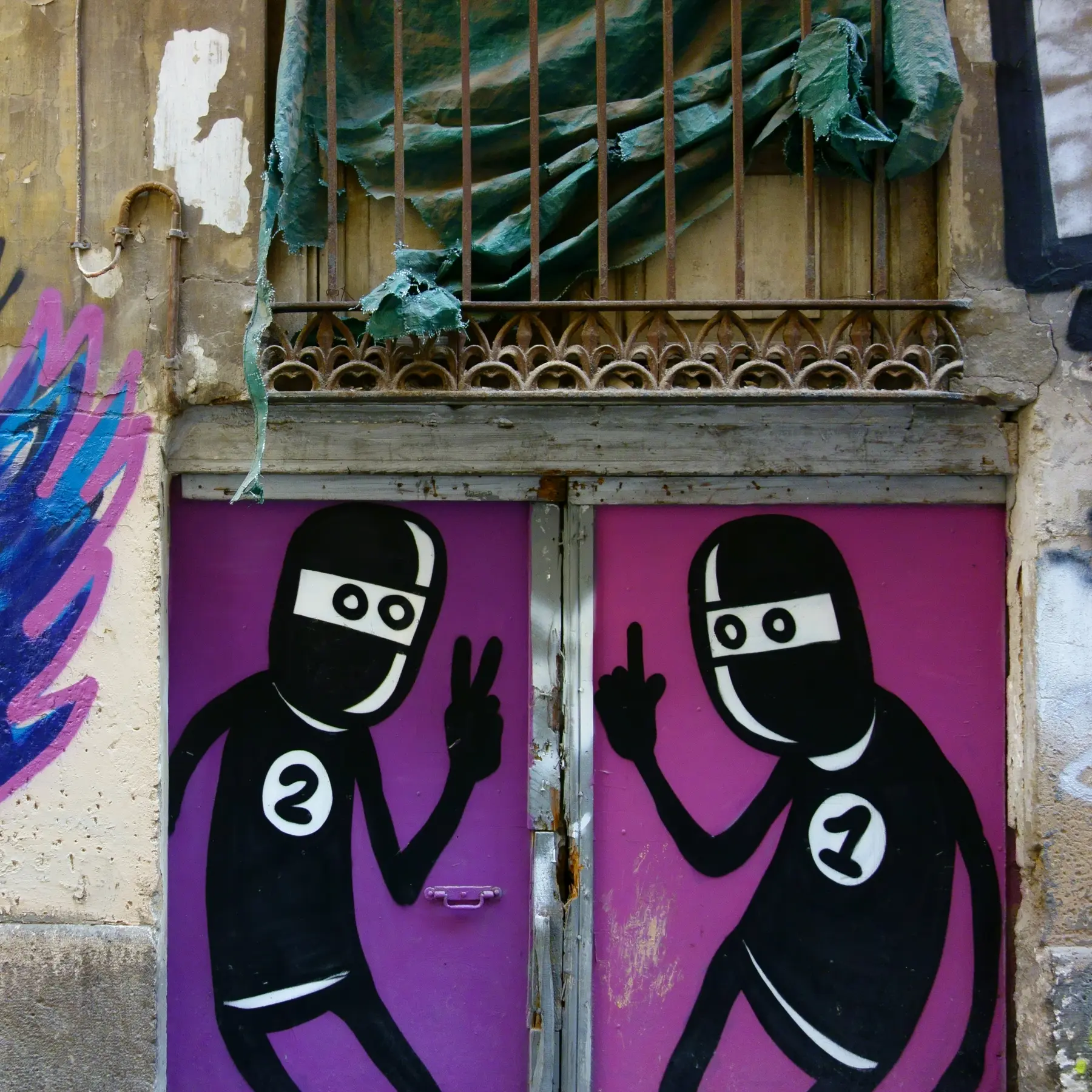 VSA / Archive image
Chikitín: a gaze multiplied
Chikitín offers a different kind of recurrence. His portrait faces are recognised through doubled or multiple eyes. Instead of reducing the figure to a compact icon, the repeated device changes the act of looking: one face appears to return several gazes at once.
Documented accounts describe a practice that moved from more than a decade of oil painting into public space while retaining portraiture. Photocopied paste-ups, canvas attached to walls and direct painting on shutters and façades allow the motif to circulate through different materials.
Published descriptions connect the multiplied eyes with successive lives, alternative viewpoints and, at times, a third eye associated with awakening. Those interpretations should not be forced onto every portrait. The consistent fact is visual: additional eyes make the face immediately distinctive while expression, surface and medium remain open to change.
His work has been repeatedly documented around El Carme and the Torres de Quart area. The doorway portrait photographed in February 2020 shows how worn paint, timber and the vertical shape of an entrance become part of the encounter. It is a dated record, not a promise that the doorway looks the same today.
From one figure to an illustrated world
Not every recurring character behaves like a logo. Julieta XLF builds broader, colour-rich worlds around girls, birds, dragons and small imagined companions. Closed or enlarged eyes, fluid line and saturated colour can create continuity even when no single figure is repeated unchanged.
The mural photographed on Carrer del Doctor Manuel Candela in March 2022 places a closed-eyed girl among cats and flowers. It demonstrates a larger character system: recognition emerges from the relationships between central figure, surrounding creatures, line and palette. Julieta has focused on public mural interventions since 2004, with Valencia as the starting point of an internationally travelling practice.
Barbiturikills uses recurring rabbits across murals and participatory projects. Her own account connects them with stories that can be joyful, acidic, humorous or defiant. Their graphic outlines and bright colour make them quickly legible, while text and context allow the social message to shift.
Deih extends recurrence into science-fiction narrative. Futuristic figures, cosmic settings and densely drawn scenes translate questions of perception, relationships and inner life into invented worlds. These examples show that a recurring language can range from one compact icon to an entire cast.
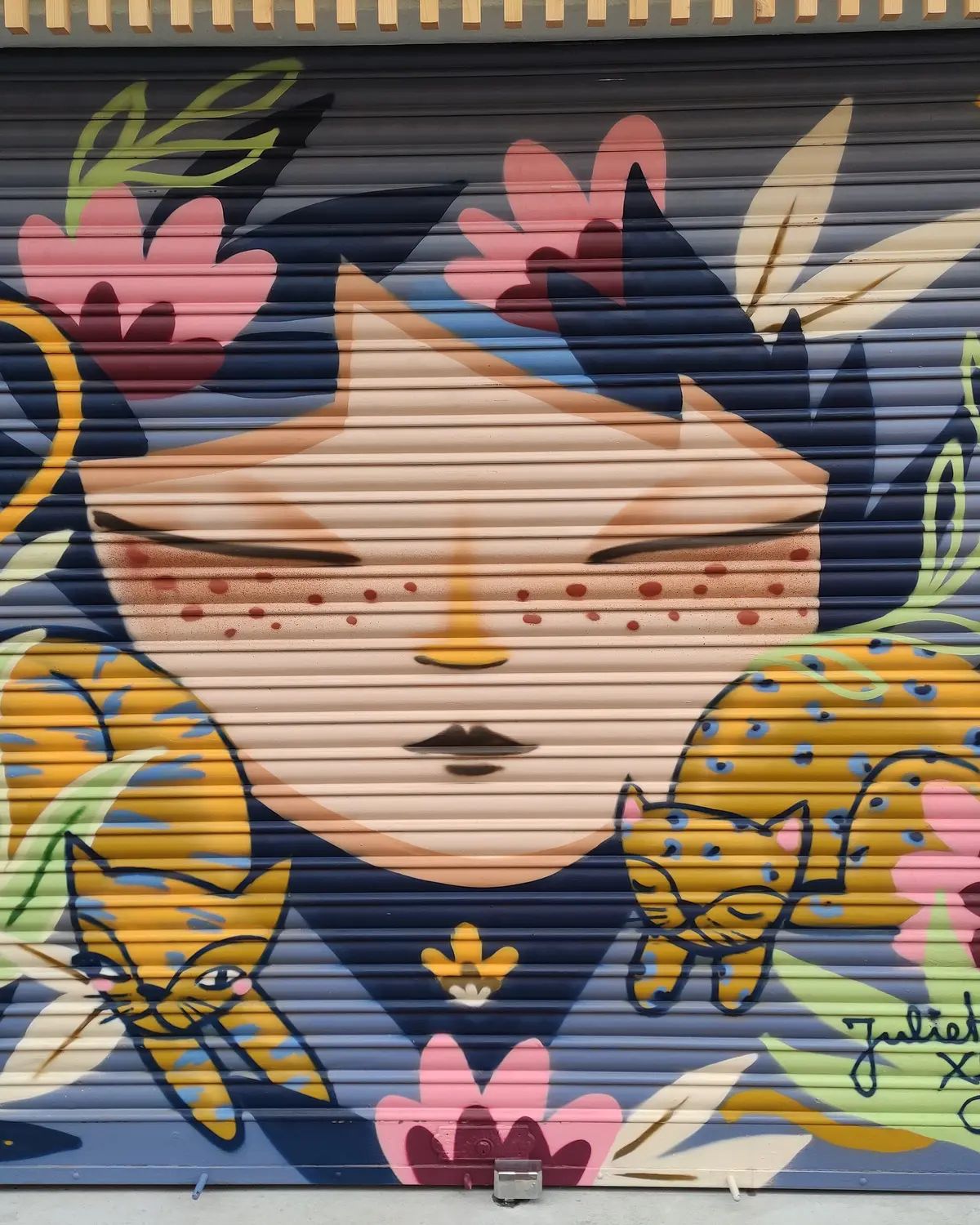 VSA / Archive image
Characters do not replace writing
It is tempting to describe Valencia’s street-art history as a simple movement from letters to characters and then to murals. The streets do not support that tidy sequence. Graffiti writing remains a living practice, and an accomplished letterform is not an incomplete picture waiting to become figurative.
Characters broaden the kinds of recognition available in public space. A masked figure, rabbit or multiplied gaze may be noticed by viewers who do not know the codes of writing. That difference can expand an audience, but it does not establish artistic superiority or a universal path of development.
The most useful approach is to compare languages without collapsing them. Ask how a name establishes identity, how a figure changes through pose, how a mural organises distance and how a paste-up responds to a temporary surface. Several of these operations can coexist within the same work or the same artist’s practice.
Valencia’s visual culture is richer because these languages overlap. Crews, shared walls, neighbourhood encounters and institutional projects allow letters, illustration, characters and muralism to remain in dialogue rather than occupy separate historical boxes.
How to read a recurring character without guessing
Begin with description. Record the silhouette, eyes, pose, palette, material and relationship with the surface before attaching a name. The black figure has no mouth; the doorway portrait has four eyes; the masked character appears to act within the architecture. Precise observation makes later comparison more reliable.
Then look for variation. Which elements remain stable and which change? A useful character system preserves enough identity to survive a new pose, scale or technique. The stable elements can guide research, but they still do not prove authorship.
Follow the source chain. A signature or project label can lead to an artist’s official channel; an institutional record or a clearly credited photograph can confirm the connection. Reposted images and similarity may help locate evidence, but they should not be presented as evidence themselves.
Finally, keep authorship, location and current survival separate. A documented photograph can identify an artist and place at a past date without showing that the work remains. Our guide to identifying a street artist without guessing provides a fuller method.
Let the next encounter change the first
Recurring characters reward a walk that leaves room for memory. Notice the first figure without trying to complete a checklist. When something familiar returns, compare its scale, posture and setting. A later encounter may clarify what the first image was doing—or make it less certain.
El Carme offers a dense starting point, while El Cabanyal’s doors and façades place graphic interventions within a different architectural rhythm. Individual works remain temporary, so use the area map for orientation rather than as a promise of exact surviving pieces.
The artist directory can connect recognition with documented context. It is most useful after looking carefully, not as a list to impose on every wall. Leave unnamed works unnamed when the evidence is incomplete.
The strength of Valencia’s recurring characters lies in the distance between sameness and change. A visual identity returns, but the wall, neighbourhood and viewer are different. The next pair of eyes or familiar outline does more than repeat an image: it changes how the city is remembered.
Field note: Recognise the recurring motif, then look beyond it: pose, material, surface, date and source reveal how a familiar character changes from one Valencia street to the next.
Method and sources
- David de Limón: David de Limón official website (opens in a new tab)
- Barbiturikills: Barbiturikills official biography (opens in a new tab)
- Julieta XLF: Julieta XLF official biography (opens in a new tab)
- Deih: Deih official biography (opens in a new tab)
- La So0mbra: La So0mbra, official project statement (opens in a new tab)
- Street Artwork: Chikitín artist profile (opens in a new tab)
- Disfruta Benimaclet: Benimaclet renews its urban art (opens in a new tab)
- Street Art Cities: Chikitín documented work and artist note (opens in a new tab)
- elDiario.es: La So0mbra profile, April 2024 (opens in a new tab)
- València Extra: La So0mbra: urban art, anonymity and mental-health purpose (opens in a new tab)
- Valencia Street Art: Valencia Street Art editorial policy
- Valencia Street Art: Valencia Street Art image and research credits
Related reading
Continue exploring
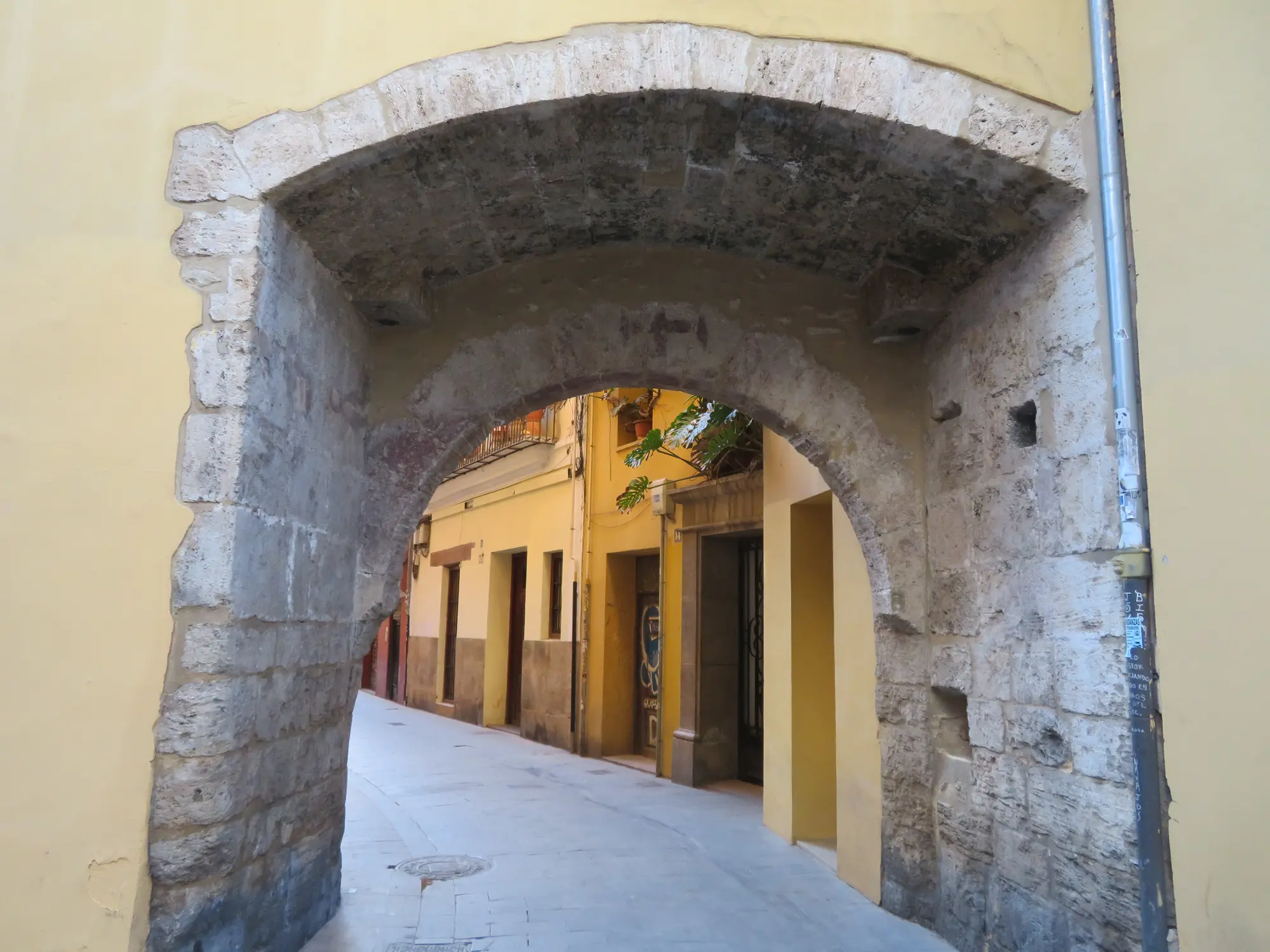 Portal de la Valldigna, El Carme · Wikimedia Commons
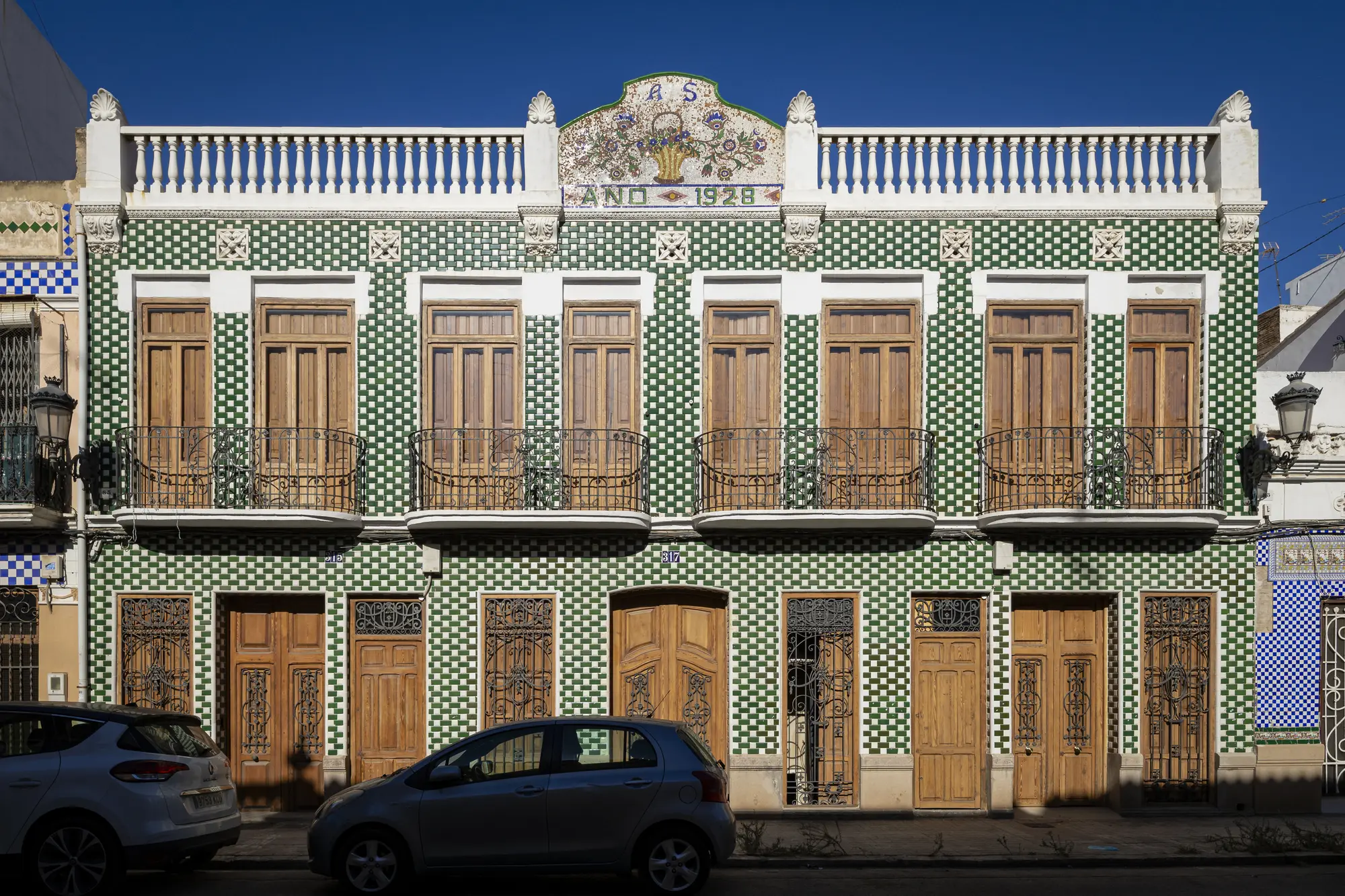 Les Casetes del Gerro, Cabanyal–Canyamelar · Wikimedia Commons
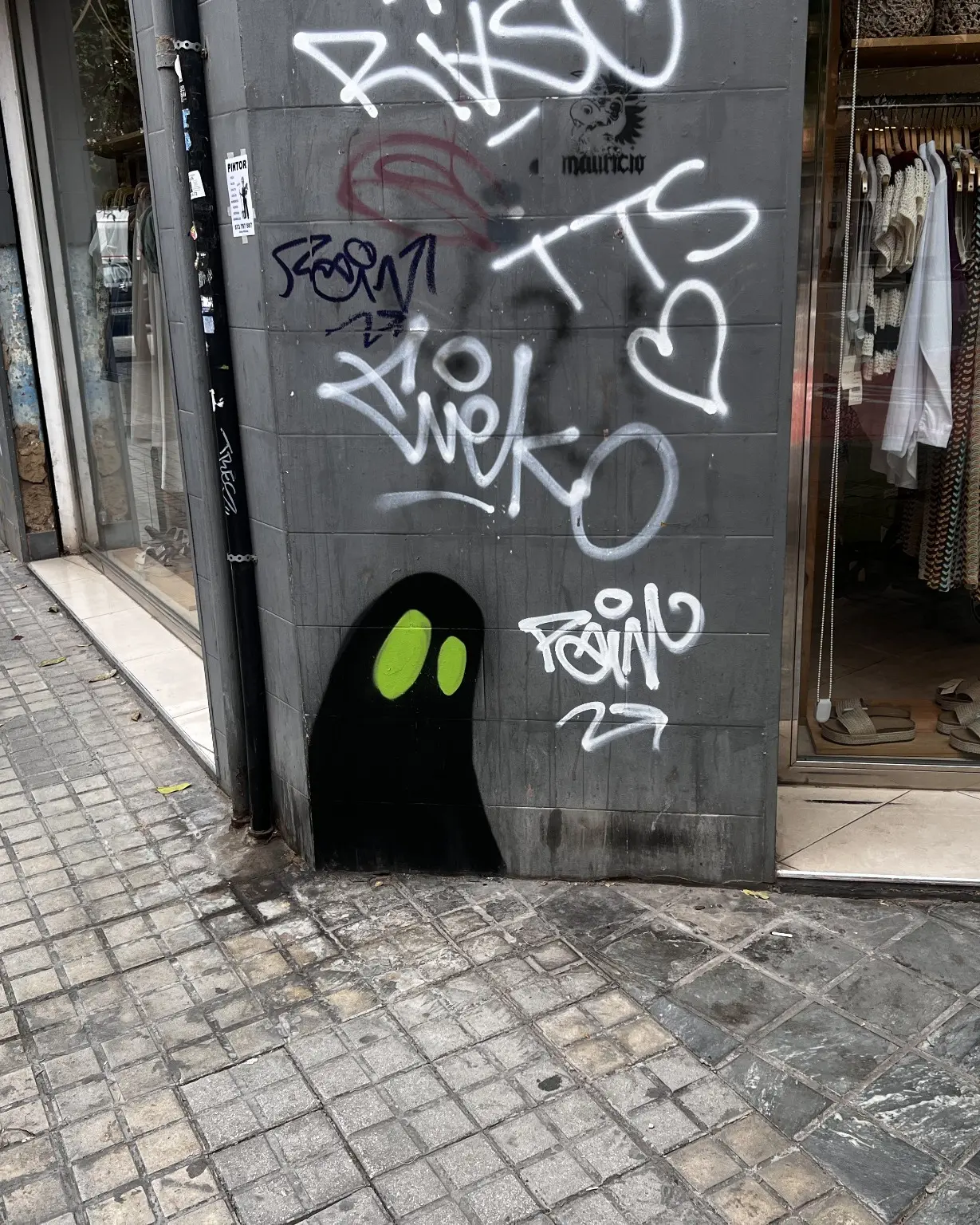 Work by La So0mbra · Official La So0mbra website
 Work by David de Limón · Official David de Limón website
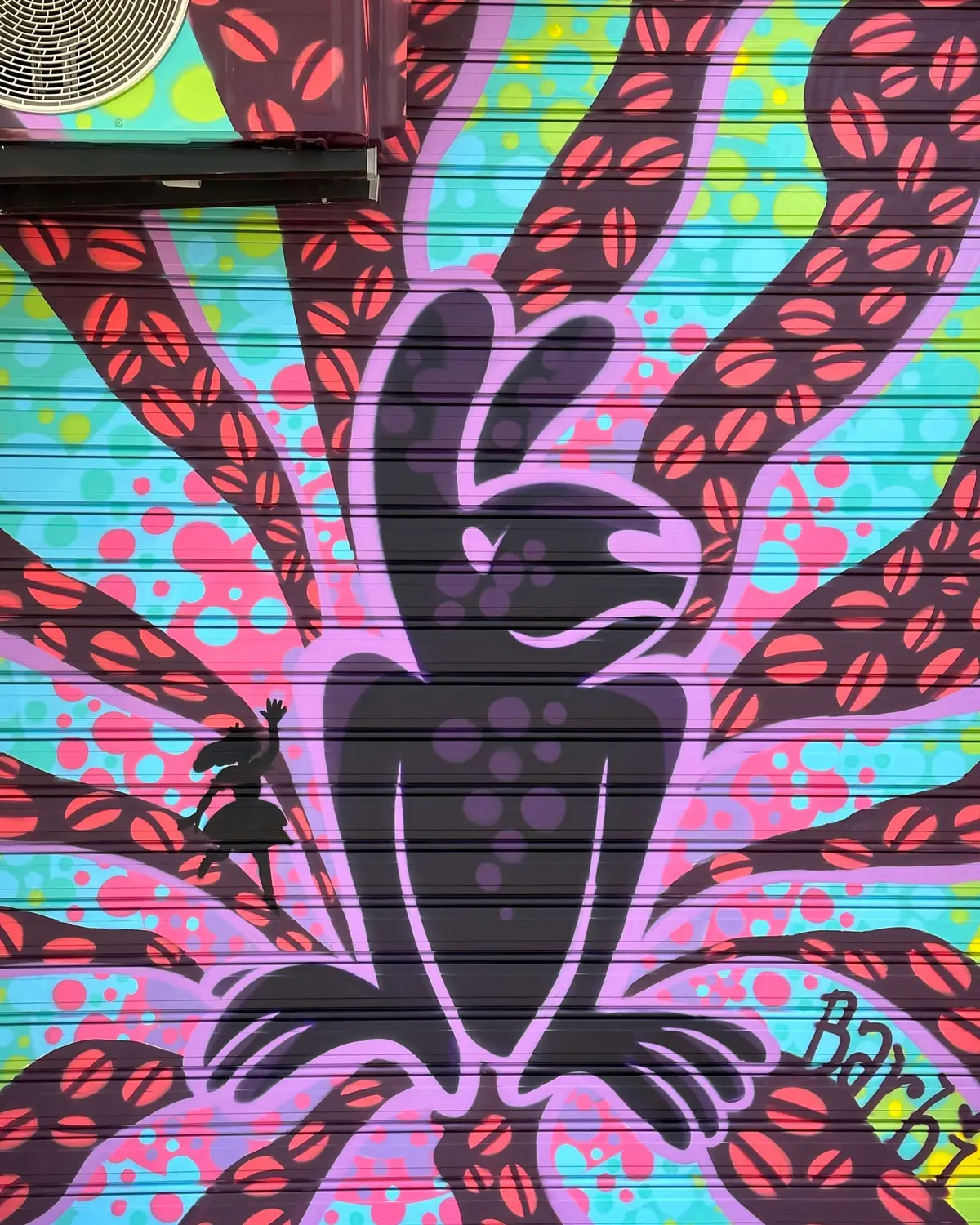 Work by Barbiturikills · Official Barbiturikills portfolioWork by Julieta XLF · Wikimedia Commons
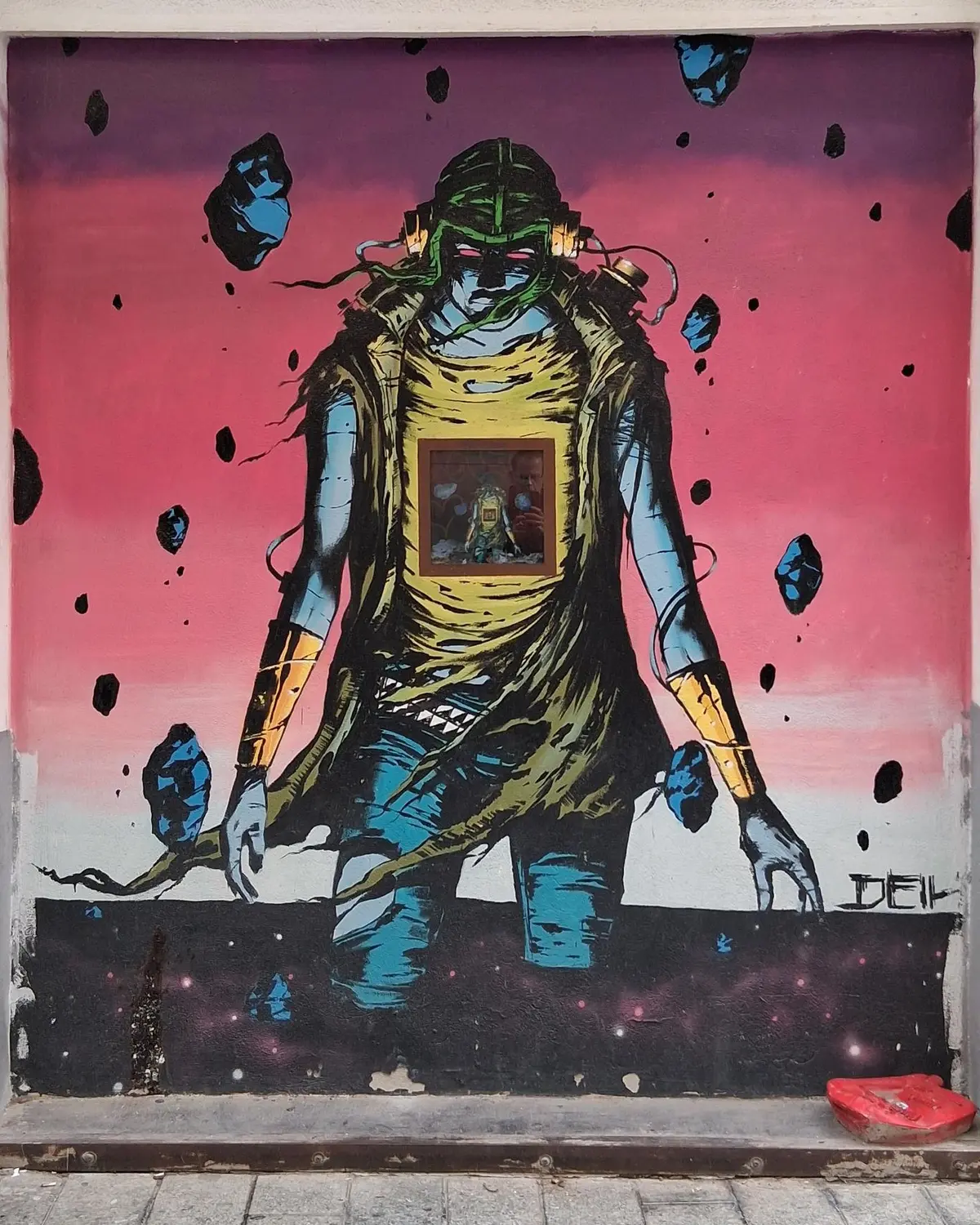 Work by Deih · Street Art Cities
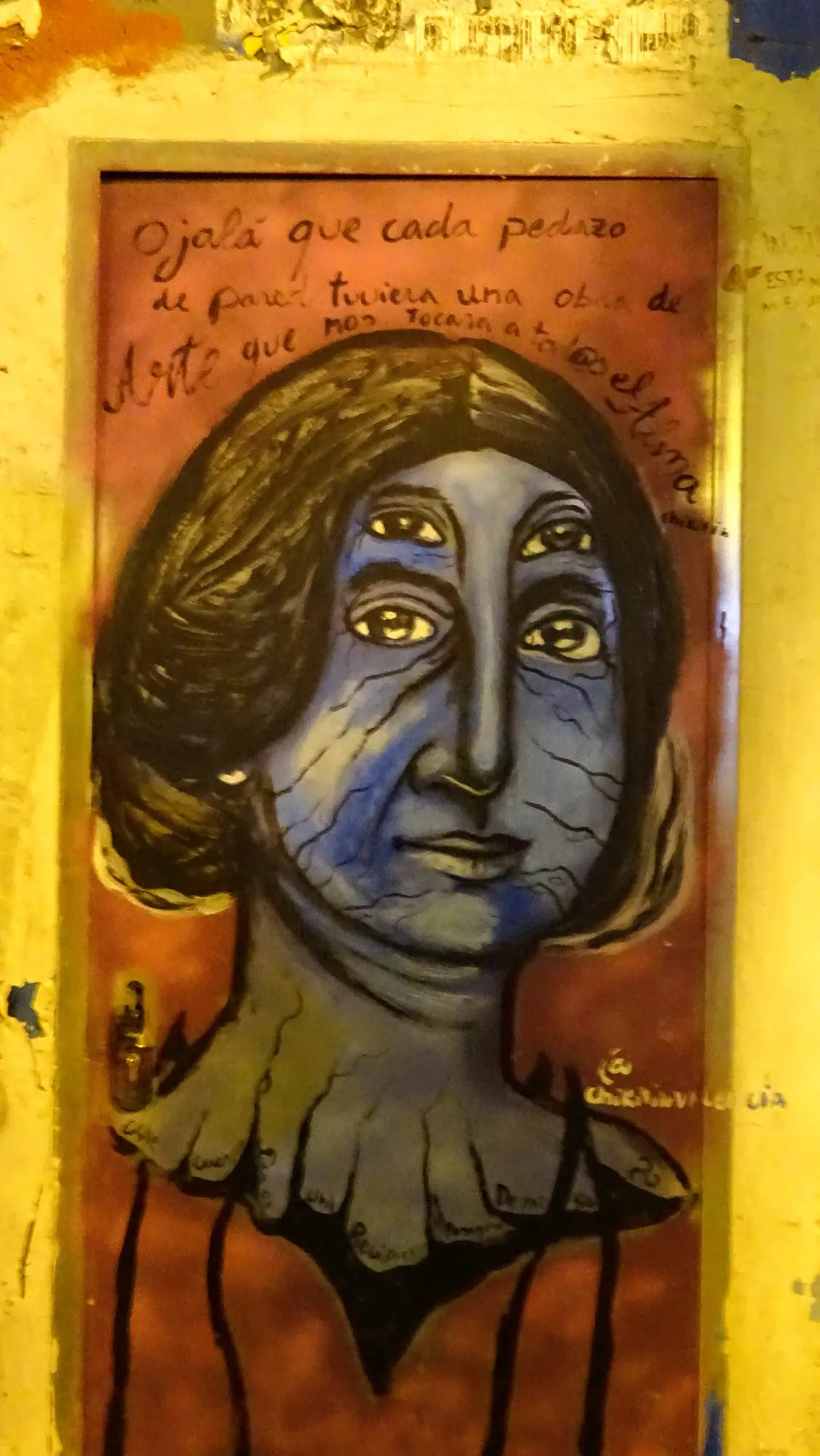 Work by Chikitín · Wikimedia CommonsWork by David de Limón · Wikimedia CommonsWork by Chikitín · Wikimedia Commons
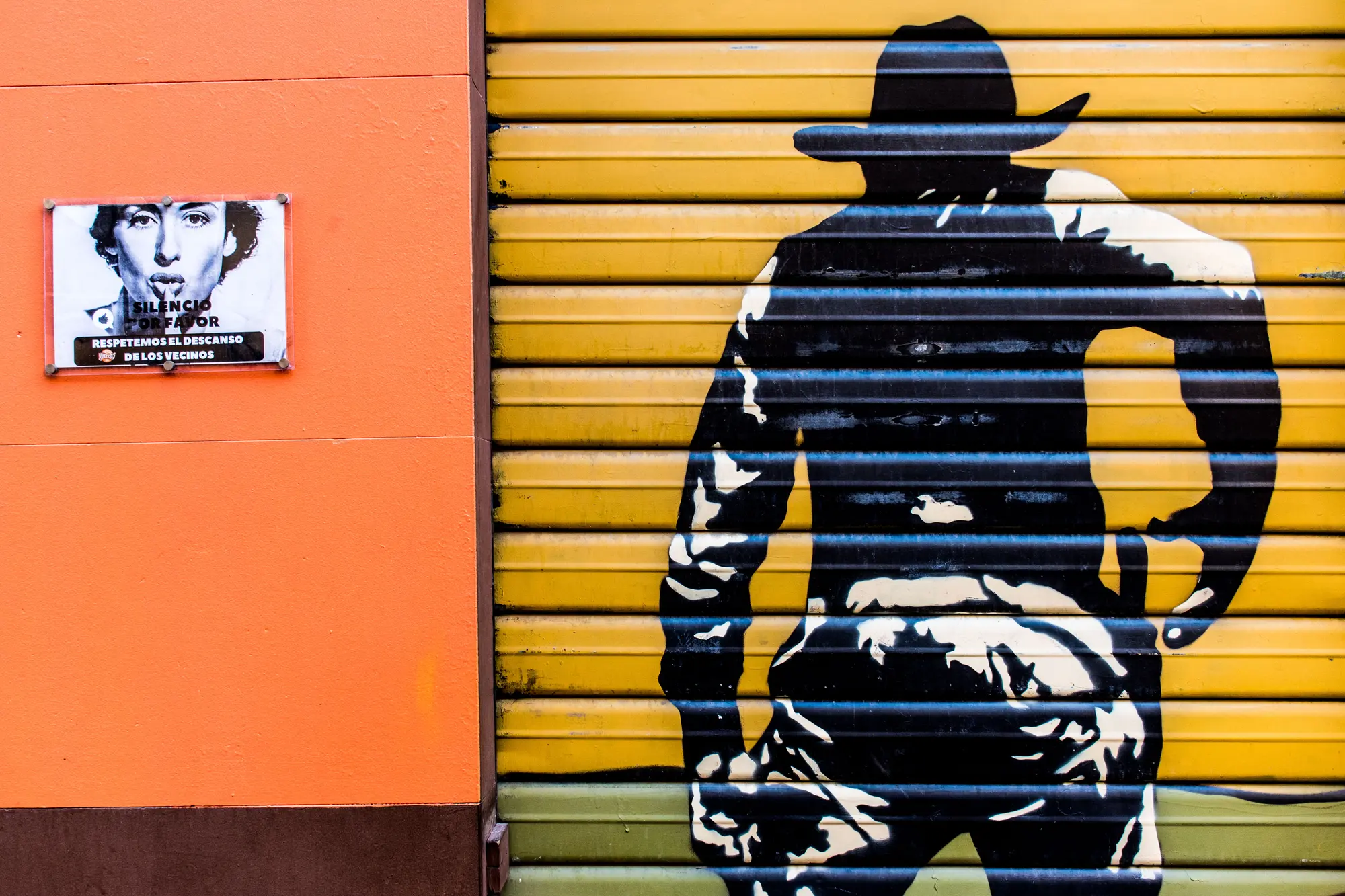 Don’t shoot. People are sleeping! · Wikimedia Commons
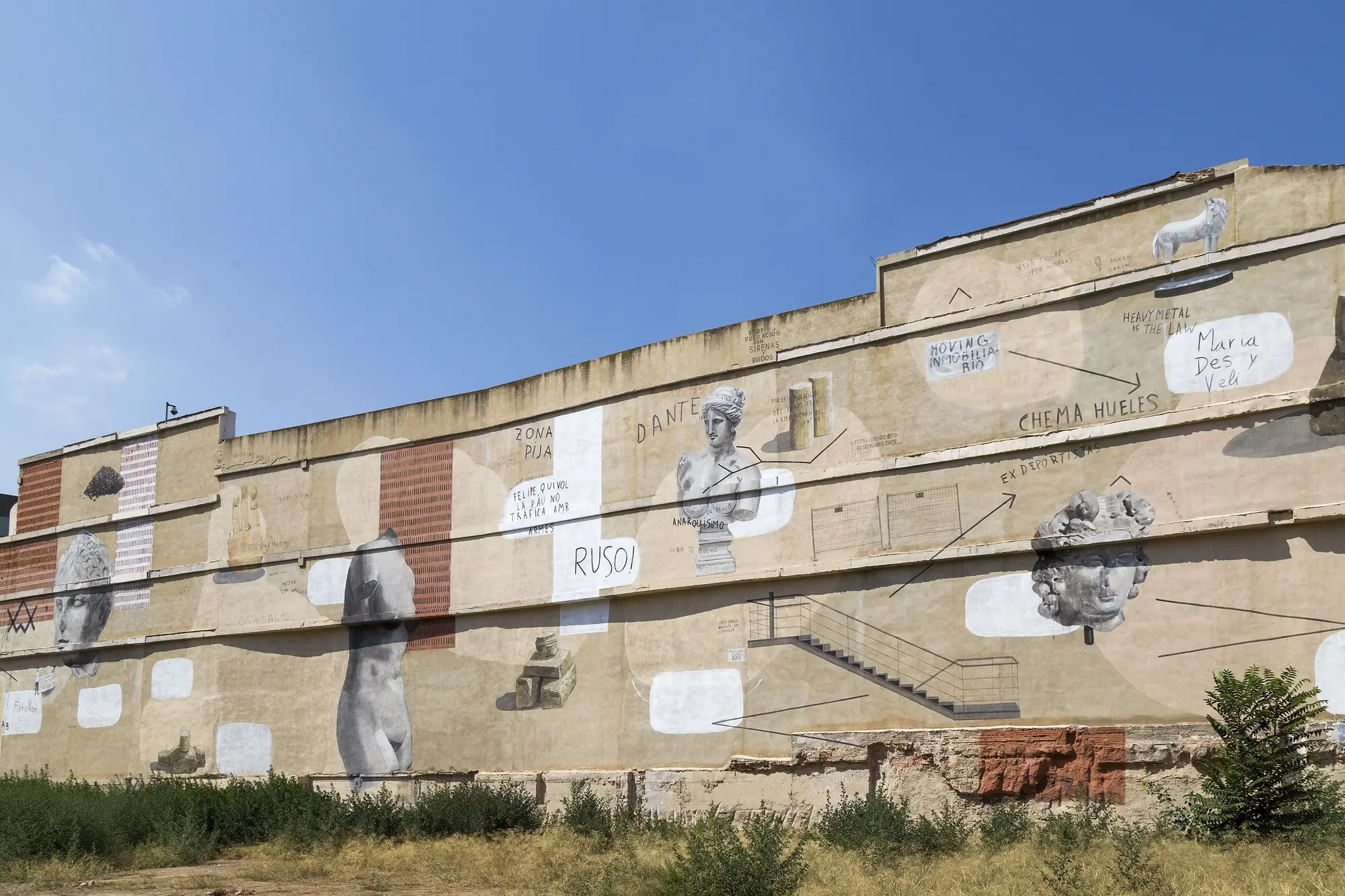 Work by Escif · Wikimedia Commons · IVAM
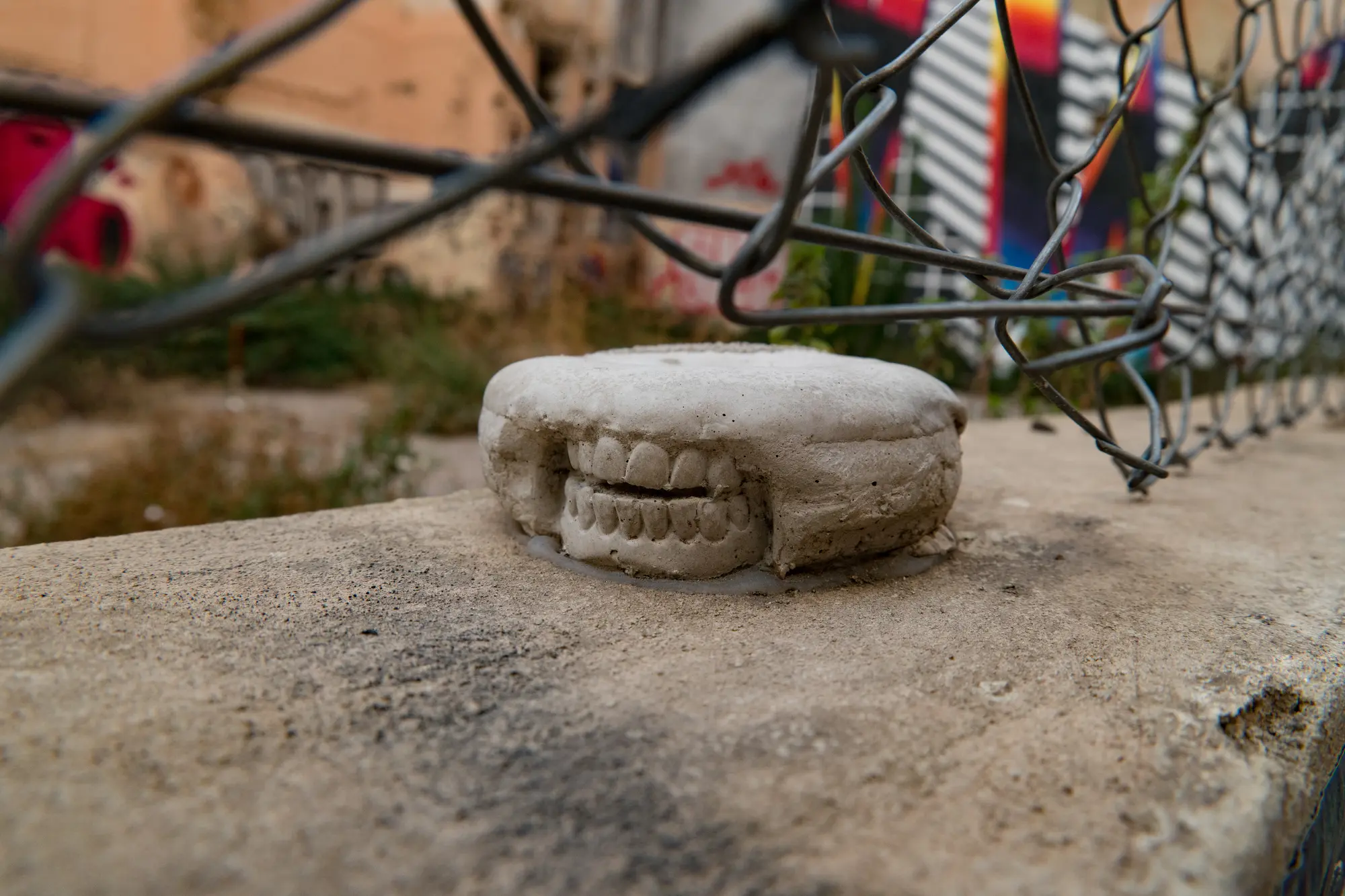 Valencia Spain Street Art · Wikimedia Commons